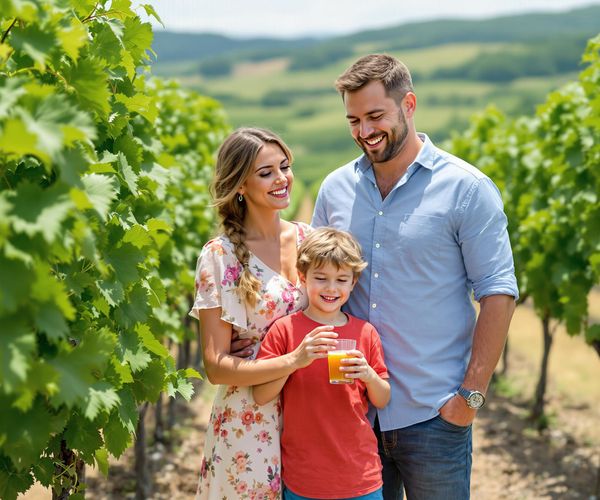
Ever since I was a kid growing up in Croatia, food has been more than just sustenance; it's been a way to connect with my heritage, my family, and the world around me. Now, as a father and a travel enthusiast, I'm always looking for ways to weave culinary experiences into our family adventures, especially when exploring the diverse flavors of Europe. Join me as I share my tips and insights on how to make food a central part of your travel story, creating memories that will last a lifetime.
The Allure of Culinary Travel
Culinary tourism is booming, and for good reason. It's not just about ticking off famous restaurants; it's about diving headfirst into the heart of a culture. Imagine learning to roll pasta in Bologna, stirring a fragrant paella in Barcelona, or mastering the art of pastry in Paris. These aren't just meals; they're immersive experiences that deepen your understanding and appreciation of a place.
For me, Croatian cuisine is a deeply personal connection. Sharing a traditional Peka (a slow-cooked meat and vegetable dish) with friends and family is more than just a meal; it's a celebration of community and heritage. Through my travels, I aim to share this passion, showing others how engaging with local food traditions can enrich their journeys.
And it's not just for adults! Involving children in culinary adventures is a fantastic way to spark their curiosity and teach them about different cultures. My son, Marko, has been my sous-chef since he could stand on a chair, and I've seen firsthand how much he enjoys learning about new ingredients and flavors.
Finding Authentic Cooking Classes in Europe
So, how do you find those truly authentic cooking classes that go beyond the tourist traps? Research is key! Start by checking local tourism boards; they often have listings of reputable schools and instructors. Culinary schools are another great option, offering a range of classes from beginner basics to advanced techniques.
Online platforms like Cookly, Airbnb Experiences, and Take a Chef can also connect you with local chefs offering unique culinary experiences. Don't forget to read reviews! Hearing from fellow travelers is invaluable in gauging the quality and authenticity of a class. Look for classes that emphasize hands-on learning and interaction with local ingredients.
Personally, I often prefer classes in home settings. There's something special about learning from a nonna in her kitchen, surrounded by the aromas of generations of family recipes. These intimate experiences offer a glimpse into the everyday life of a culture that you just can't get in a professional kitchen.
Navigating Local Markets: A Feast for the Senses
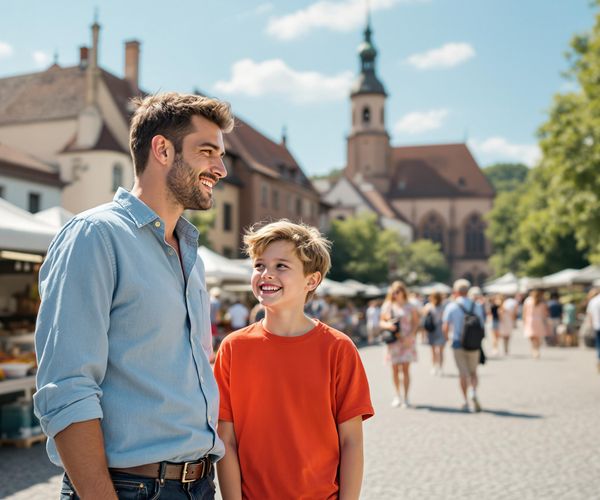
No culinary adventure is complete without a visit to a local market. These vibrant hubs are a feast for the senses, offering a glimpse into the region's bounty. From the colorful displays of fresh produce to the lively chatter of vendors, markets are a true cultural experience.
Don't be afraid to interact with the vendors! Ask them about their products, their origins, and the best way to use them. They're often a wealth of knowledge and happy to share their expertise. When selecting produce, look for vibrant colors, firm textures, and enticing aromas. And don't be shy about sampling! Many vendors will offer small tastes of their goods.
Keep an eye out for unique regional ingredients and specialties. In Provence, look for fragrant herbs de Provence; in Bologna, seek out aged balsamic vinegar; and in Barcelona, sample the local olive oils. These unique flavors will transport you back to your travels long after you've returned home.
Beyond the ingredients, markets are also important social hubs. They're places where locals gather to shop, chat, and catch up on the latest news. Take some time to soak in the atmosphere, observe the interactions, and feel the pulse of the community.
Involving Children in the Culinary Adventure
Getting kids involved in the kitchen is a fantastic way to make travel even more meaningful. Even young children can participate in age-appropriate tasks like washing vegetables, stirring ingredients, or setting the table.
The educational benefits are immense. Cooking teaches kids about math (measuring ingredients), science (how ingredients react), and geography (where different foods come from). It also fosters creativity, problem-solving skills, and a sense of accomplishment.
Make it fun! Let kids choose a recipe they want to try, decorate cookies, or create their own pizza toppings. Turn on some music, dance around the kitchen, and make cooking a joyful experience. When we were in Italy, Marko helped make pasta from scratch, and he still talks about it to this day. The pride he felt in creating something delicious with his own hands was priceless.
Adapting Recipes and Techniques at Home
The best part about culinary travel is bringing those experiences home with you. Recreating your favorite travel dishes is a wonderful way to relive your adventures and share them with friends and family.
Don't be afraid to adapt recipes to local ingredient availability. If you can't find a specific ingredient, research substitutes or experiment with similar flavors. The goal is to capture the essence of the dish, not to replicate it perfectly.
Incorporate new techniques and flavors into your everyday cooking. Maybe you learned a new way to sauté vegetables in France, or discovered a unique spice blend in Spain. Use these new skills to elevate your home cooking and add a touch of global flair to your meals.
Culinary travel has a lasting impact on personal cooking habits. It broadens your palate, expands your culinary repertoire, and fosters a deeper appreciation for food and culture. It's an investment in yourself and your family that will continue to pay dividends for years to come.
European Culinary Hotspots: A Personal Selection
If you're looking for inspiration, here are a few of my favorite European destinations for culinary adventures:
- Italy (Tuscany, Bologna, Naples): From pasta-making classes in Tuscany to pizza-making workshops in Naples, Italy is a culinary paradise. Don't miss the regional specialties like Bolognese sauce in Bologna or Florentine steak in Florence.
- France (Provence, Paris, Lyon): Explore the fragrant flavors of Provençal cuisine, indulge in a pastry-making class in Paris, or experience a traditional bouchon (a Lyonnaise restaurant) in Lyon. The possibilities are endless.
- Spain (Barcelona, Andalusia): Learn to cook paella in Barcelona, embark on a tapas tour in Andalusia, or explore the vibrant La Boqueria market. Spanish cuisine is all about fresh ingredients and bold flavors.
- Other Regions (Budapest, Lisbon): Venture off the beaten path and discover the unique culinary traditions of Budapest (Hungary) and Lisbon (Portugal). Sample goulash in Budapest or indulge in pastéis de nata in Lisbon. You won't be disappointed.
Discover how to immerse yourself in local cultures by learning to cook traditional dishes on your travels, making food a central part of your adventure.