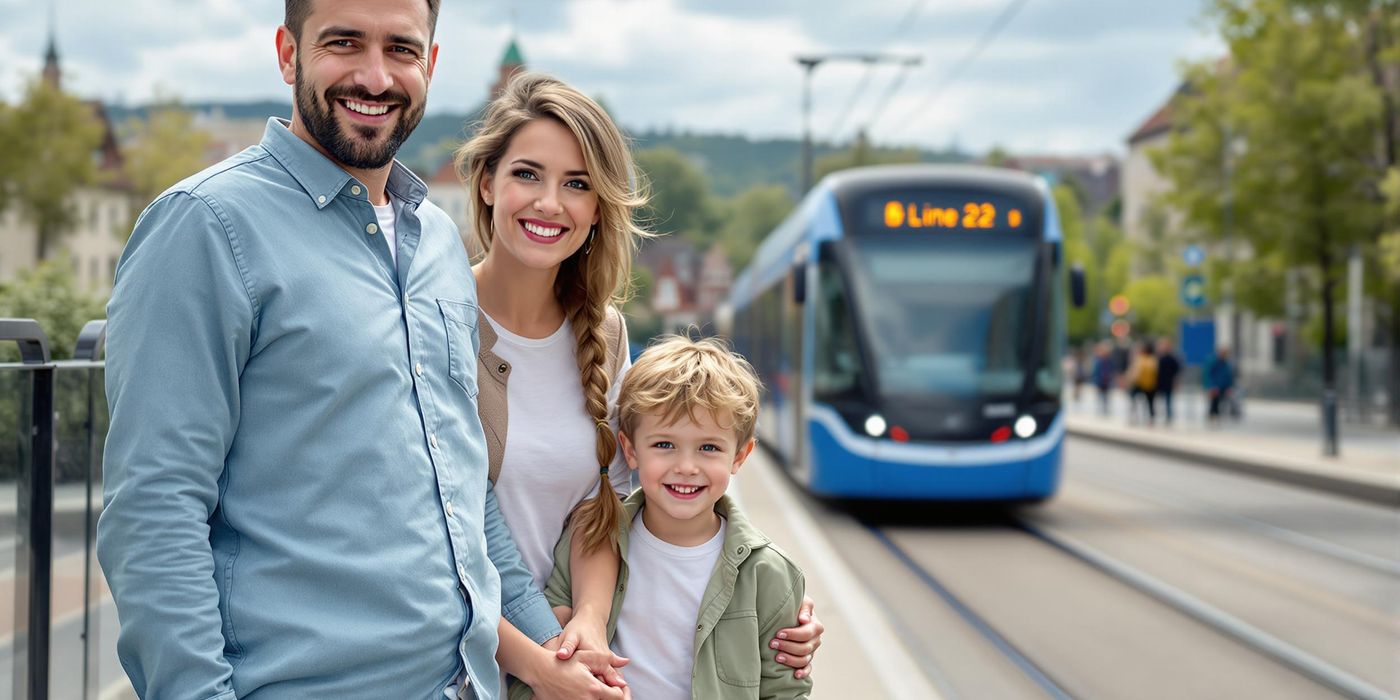
Hey everyone, Ivan here! As a software engineer working in renewable energy and a dad to a super active 6-year-old, Marko, I'm always thinking about how we can minimize our impact on this beautiful planet, especially when we travel. My wife, Greta, a kindergarten teacher with a heart of gold, is equally passionate about this. So, I wanted to share some tips on how our family embraces sustainable travel, hoping to inspire you to do the same!
Why Sustainable Travel Matters for Families
Sustainable travel, at its core, is about making conscious choices to reduce the negative impact of our journeys on the environment and local communities. It's about traveling in a way that preserves the planet for future generations, including our children. Think of it as responsible tourism that considers the ecological, social, and economic aspects of travel.
Traditional travel can have a significant environmental footprint. Air travel contributes to carbon emissions, hotels consume large amounts of energy and water, and the waste generated from single-use plastics piles up quickly. But sustainable travel offers a solution. By making small changes, like choosing eco-friendly accommodations or using public transport, we can minimize our impact.
For families, sustainable travel offers even more benefits. It's an incredible educational opportunity for kids to learn about environmental stewardship and the importance of respecting different cultures. It allows us to connect with nature, explore local ecosystems, and appreciate the beauty of our planet. Plus, it supports local communities by directing our spending towards small businesses and responsible tour operators. It aligns perfectly with values like environmental stewardship and responsible citizenship, values that Greta and I are keen to instill in Marko.
Choosing Eco-Friendly Transportation
Let's face it: getting there is half the fun, but it's also where a big chunk of our carbon footprint comes from. Airplanes are notorious for their emissions, and even cars, especially older models, contribute significantly. So, what can we do?
Within Europe, we're big fans of train travel. Europe boasts an extensive rail network, making it easy to hop between countries and cities without the guilt of flying. The Eurostar, for example, is fantastic for getting from London to Paris or Brussels, and the TGV in France is super efficient. Greta and Marko love looking out the window and watching the scenery whiz by, far better than being stuck in an airport!
When exploring cities, embrace public transportation. Buses, trams, and subways are generally readily available and much more eco-friendly than taxis or rental cars. Plus, it's a great way to experience a city like a local. In Heidelberg, we often take the Straßenbahn (tram) to get around – Marko loves it!
For shorter distances, consider cycling or walking. Many European cities have excellent bike lanes and pedestrian zones. Rent bikes for a day and explore the city at your own pace. Or, simply lace up your walking shoes and discover hidden gems on foot. We recently spent a weekend in Amsterdam and explored the city entirely by bike, it was fantastic!
If you absolutely need a car, consider car-sharing or renting an electric or hybrid vehicle. These options significantly reduce your carbon footprint compared to traditional gasoline-powered cars. Many car rental companies now offer electric vehicle options.
And if air travel is unavoidable, consider offsetting your carbon emissions. Several organizations offer carbon offsetting programs that invest in projects that reduce greenhouse gas emissions.
Selecting Sustainable Accommodations
Where you stay can also make a big difference in your travel's sustainability. Sustainable accommodations prioritize energy efficiency, waste reduction, water conservation, and local sourcing. They strive to minimize their environmental impact and support the local community.
Europe offers a wide range of eco-friendly hotels, resorts, and campsites. For example, the Finca de Arrieta in Lanzarote, Spain, offers eco-luxury yurts powered by solar energy. The Milia Mountain Retreat in Crete, Greece, is a restored traditional village that operates sustainably. And the Bohinj Park Hotel in Slovenia is an eco-hotel that uses geothermal energy.
Look for accommodations with certifications like Green Key or EU Ecolabel for Tourist Accommodations. These certifications indicate that the accommodation meets specific environmental standards.
Beyond certifications, look for accommodations that support the local economy and community. Choose locally-owned guesthouses or hotels that source their food and products from local farmers and artisans. This helps to support the local economy and reduces the environmental impact of transportation.
Packing for a Sustainable Trip
What you pack can also contribute to a more sustainable trip. Packing light is a great way to reduce fuel consumption during travel, especially when flying. Try to pack only what you need and choose lightweight clothing and gear.
Bring reusable water bottles, shopping bags, food containers, cutlery, and straws. This will help you avoid single-use plastics and reduce waste. We always pack our reusable water bottles and fill them up at water fountains or taps.
Consider zero-waste toiletries like solid bar soaps, shampoos, and menstrual cups. These products eliminate the need for plastic bottles and containers. There are some fantastic options available now, and they are perfect for travel.
Don't forget reusable luggage tags and TSA-approved reusable bags for toiletries. These small changes can make a big difference in reducing waste.
Enjoying Eco-Friendly Activities with Kids
One of the best parts of family travel is experiencing new things together. Luckily, there are plenty of eco-friendly activities that are fun and educational for kids.
Nature-based activities like hiking, biking, and exploring national parks are fantastic ways to connect with the environment. Europe has numerous stunning national parks that offer incredible opportunities for outdoor adventures. We love hiking in the Odenwald forest near Heidelberg.
Visiting eco-farms or participating in community gardening is another great way to learn about sustainable agriculture and local food systems. Many farms offer tours and workshops for families.
Support local businesses and eat at restaurants that use locally-sourced ingredients. This helps to support the local economy and reduces the environmental impact of food transportation. Look for restaurants that highlight local farmers and producers on their menus.
When encountering wildlife, choose ethical experiences that prioritize animal welfare. Avoid activities that exploit animals for entertainment, such as riding elephants or swimming with dolphins in captivity.
Consider family-friendly volunteer opportunities focused on environmental conservation or community development. For example, you could participate in a beach cleanup or volunteer at a food rescue program. These experiences can be incredibly rewarding and educational for kids.
Reducing Waste During Your Travels
Minimizing waste is a crucial aspect of sustainable travel. Single-use plastics are a major problem, so try to avoid them whenever possible. Say no to plastic cups, utensils, and snack wrappers.
Pack your own meals and snacks to avoid buying packaged foods. Use reusable food wraps and containers for leftovers. We often pack sandwiches, fruits, and vegetables for our trips.
Buy local and avoid souvenirs that are not useful or sustainably made. Instead of buying mass-produced trinkets, look for locally-made crafts or products that support local artisans.
Be mindful of composting and use local waste disposal facilities responsibly. Separate your waste and dispose of it properly. If composting is available, take advantage of it.
By following these tips, families can embrace sustainable travel practices and create memorable experiences while reducing their environmental impact. It's about making conscious choices and being mindful of our impact on the planet. Every little bit helps, and together, we can make a big difference!
Practical tips and insights on how families can embrace sustainable travel practices, from choosing eco-friendly accommodations to minimizing waste during their trips.