
Hey there, fellow beer lovers! James here, your friendly neighborhood brewery tour guide from Kelowna. Olivia and I have always believed that the best way to experience a new place is through its local flavors, and what better way to do that than with beer? Over the years, we've combined our love for travel with my passion for homebrewing, and let me tell you, it's been one heck of a journey. I'm excited to share some tips on how you can infuse your travels with your homebrewing adventures, or vice versa!
The Allure of Combining Travel and Homebrewing
There's something truly magical about discovering a new beer culture while you're on the road. It's not just about tasting different brews; it's about understanding the history, the ingredients, and the people behind them. Remember that time in Belgium, Olivia, when we stumbled upon that tiny Trappist monastery brewery? The monks were so passionate about their craft, and the beer was unlike anything I'd ever tasted! Travel can be such a fantastic source of inspiration for your homebrewing. You see new techniques, taste unique ingredients, and meet people who are just as passionate about beer as you are. It’s like hitting the reset button on your creativity.
Sourcing Local Ingredients: A Brewer's Treasure Hunt
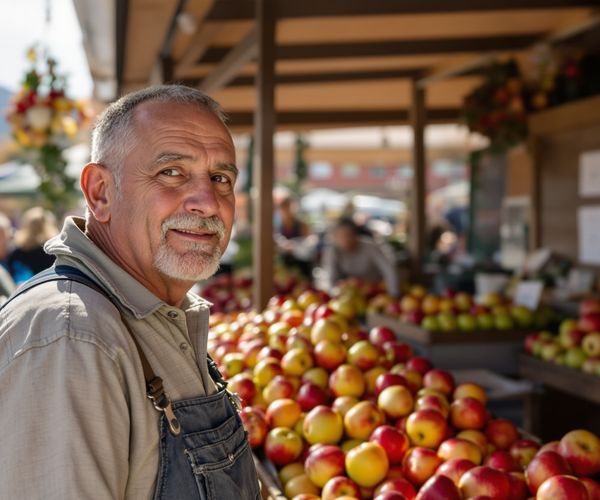
One of the most rewarding aspects of combining travel and homebrewing is the opportunity to source local ingredients. Forget the standard hops and grains you find at your local brew shop; I'm talking about the stuff that truly defines a region. Think about using locally grown berries in a fruit beer or incorporating native herbs into your next saison. The key is to connect with local farmers and producers. Visit farmers' markets, talk to the vendors, and ask about ingredients that are unique to the area. For example, when we were in Germany, I spent an afternoon with a hop farmer who showed me the nuances of different hop varieties grown in the Hallertau region. That experience completely changed the way I thought about hop selection. Don’t be afraid to experiment! Sometimes, the most unexpected ingredients can lead to the most delicious brews.
Brewery Tours as Educational Expeditions
I may be biased as a brewery tour guide, but I truly believe that brewery tours are one of the best ways to learn about different brewing techniques. Every brewery has its own unique approach, from the equipment they use to the fermentation process they follow. Take the time to observe, ask questions, and take notes. On our tour of a brewery in the Czech Republic, I was fascinated by their open fermentation process. It was so different from what I was used to, but it gave the beer a distinctive character that I wanted to replicate at home. Engaging with brewers during tours is also crucial. Most brewers are passionate about their craft and are happy to share their knowledge. Ask them about their brewing philosophy, their favorite ingredients, and any tips they might have for homebrewers. You'd be surprised at how much you can learn from a simple conversation.
Participating in Local Brewing Workshops and Events
If you really want to immerse yourself in a new beer culture, consider attending a local brewing workshop or festival. These events are a great way to learn new skills, taste a wide variety of beers, and connect with other enthusiasts. Olivia and I attended a brewing workshop in Ireland a few years ago, and it was an unforgettable experience. We learned about traditional Irish brewing techniques, tasted some amazing stouts, and met some incredibly friendly people. When choosing a workshop, look for one that focuses on a specific style of beer or technique that you're interested in. Also, check the credentials of the instructors and read reviews from past participants. A well-run workshop can provide you with valuable knowledge and skills that you can apply to your homebrewing endeavors.
Experimenting with Regional Techniques in Your Homebrew
Once you've gathered some new knowledge and inspiration from your travels, it's time to put it into practice in your homebrew. Don't be afraid to experiment with regional brewing techniques, but be sure to do your research first. Understand the nuances of the technique and how it might affect the flavor and aroma of your beer. One of my first attempts at replicating a Belgian-style beer was a complete disaster. I didn't fully understand the fermentation process, and the beer ended up tasting like vinegar. But I learned from my mistakes, refined my technique, and eventually brewed a beer that I was proud of. Documenting your experiments is also crucial. Keep detailed notes on your recipes, techniques, and results. This will help you track your progress and identify areas for improvement. And don't be afraid to ask for feedback from other homebrewers. They can provide valuable insights and suggestions that you might not have considered.
The Importance of Connecting with the Local Community
Finally, I can't stress enough the importance of connecting with the local brewing community when you travel. Engaging with local brewers and beer enthusiasts can enhance your travel and brewing experience in countless ways. They can provide you with insider tips on the best breweries, bars, and beer events in the area. They can also introduce you to new ingredients, techniques, and perspectives. During our travels in New Zealand, we met a local homebrewer who invited us to his house for a tasting. He shared some of his experimental brews with us, and we spent hours talking about beer. It was one of the highlights of our trip. So, get out there, strike up conversations, and embrace the local beer culture. You never know what amazing discoveries you might make!
Combine your love for travel with homebrewing! Discover new beer cultures, source local ingredients, and learn unique brewing techniques on your adventures.