Hey everyone, James here! Over the years, I've traded pints for pixels, balancing my love for local brews with my passion for capturing the stunning landscapes around Kelowna. The Okanagan Valley is a photographer's dream, and I'm excited to share some tips I've learned along the way to help you elevate your landscape photography game.
Gear Up for Success: Essential Equipment
First things first, let's talk gear. You don't need the most expensive equipment to take great landscape photos, but having the right tools certainly helps.
- Camera and Lens: A decent DSLR or mirrorless camera is a great starting point. For lenses, consider something versatile. A wide-angle lens (16-35mm) is perfect for capturing those expansive vistas, while a telephoto lens (70-200mm) can help you isolate details and compress perspective. Budget-friendly options? Look at prime lenses – they often offer excellent image quality at a reasonable price.
- Tripod: Trust me on this one – a sturdy tripod is non-negotiable, especially if you're shooting in low light or want to experiment with long exposures. It'll keep your images sharp and steady.
- Accessories: Don't underestimate the power of filters! A polarizing filter can reduce glare and enhance colors, while a neutral density (ND) filter allows you to use slower shutter speeds in bright light. A remote shutter release is another handy tool for minimizing camera shake.
Mastering Composition: Framing the Perfect Shot
Now that you're geared up, let's dive into composition. This is where you can really make your photos stand out.
- Rule of Thirds: This is a classic for a reason. Imagine dividing your frame into nine equal parts with two horizontal and two vertical lines. Place key elements of your scene along these lines or at their intersections to create a balanced and visually appealing composition.
- Leading Lines: Use natural lines in the landscape – like roads, rivers, or fences – to guide the viewer's eye through the image and create a sense of depth.
- Foreground Elements: Including something interesting in the foreground – a rock, a flower, or even a person – can add depth and interest to your landscape photos.
- Symmetry and Framing: Look for opportunities to use symmetry or to frame your shot with natural elements like trees or arches. These techniques can add a unique perspective to your photos.
Chasing the Light: Timing is Everything
Light is the lifeblood of photography, and it's especially crucial in landscape photography. Pay attention to the time of day and the weather conditions – they can dramatically impact your images.
- Golden Hour: The hour after sunrise and the hour before sunset is known as the golden hour. During this time, the light is warm, soft, and flattering, making it ideal for capturing beautiful landscapes.
- Blue Hour: Just before sunrise and just after sunset, you'll find the blue hour. This is when the light is cool, moody, and dramatic, perfect for creating atmospheric landscape photos.
- Weather Conditions: Don't be afraid to shoot in less-than-perfect weather. Clouds can add drama and texture to the sky, fog can create a sense of mystery, and rain can bring out vibrant colors in the landscape.
- Midday Shooting: Shooting landscapes during midday can be challenging due to the harsh light. Look for shade or try to use shadows creatively to add interest to your photos.
Technical Tips: Settings and Techniques
Now, let's get a bit technical. Understanding your camera settings is essential for capturing well-exposed and sharp landscape photos.
- Aperture: Aperture controls the depth of field – the amount of the image that is in focus. For landscapes, you typically want a large depth of field, so use a smaller aperture (f/8 to f/16).
- ISO and Shutter Speed: ISO controls the sensitivity of your camera's sensor to light, while shutter speed controls how long the shutter stays open. Use the lowest ISO possible to minimize noise and adjust the shutter speed to achieve proper exposure.
- HDR and Panoramas: Experiment with HDR (High Dynamic Range) photography to capture scenes with a wide range of brightness levels. Panoramic photography is great for capturing expansive landscapes that won't fit in a single frame.
- Focusing Techniques: Use focus peaking to ensure your images are sharp, or try back-button focus for more control over your focus point.
Okanagan Valley Gems: Putting it All Together
The Okanagan Valley offers endless opportunities for landscape photography. Here are a few of my favorite spots:
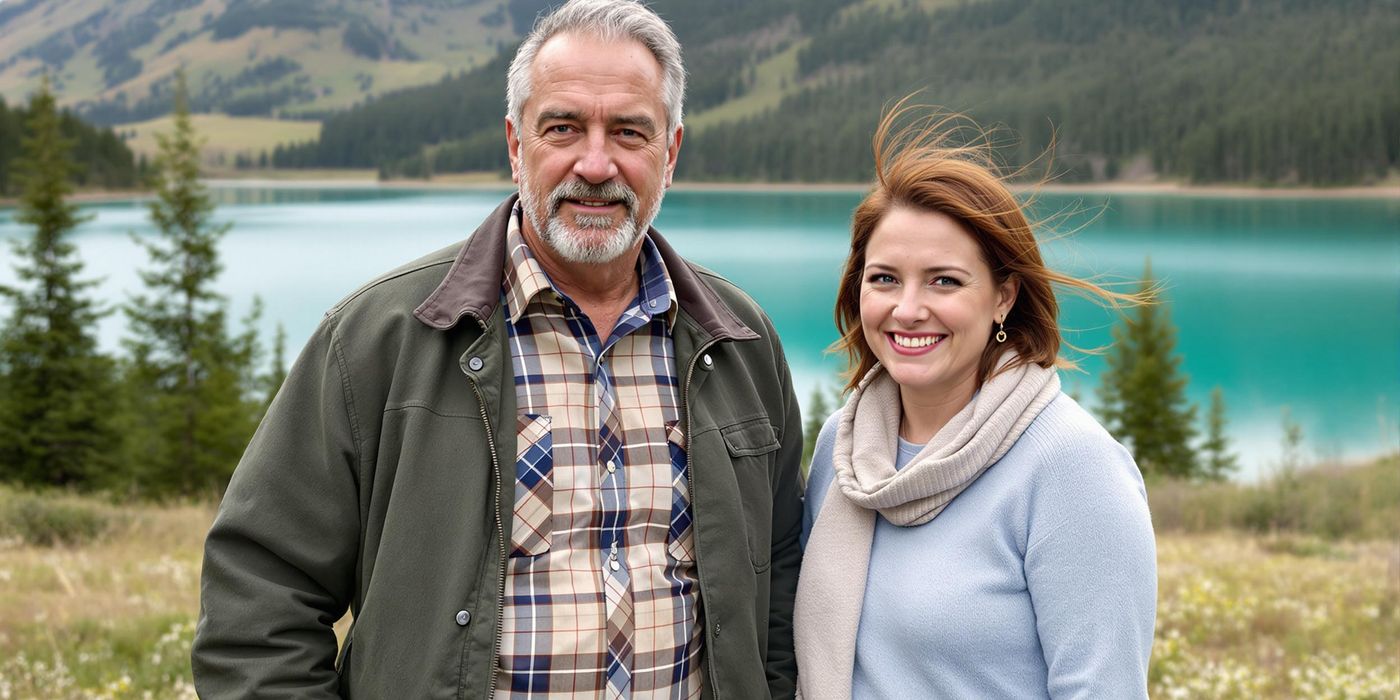
- Kalamalka Lake: Known for its unique turquoise color, Kalamalka Lake is a stunning location for capturing vibrant landscape photos. I've spent many mornings here, waiting for the perfect light to hit the water. {image1}
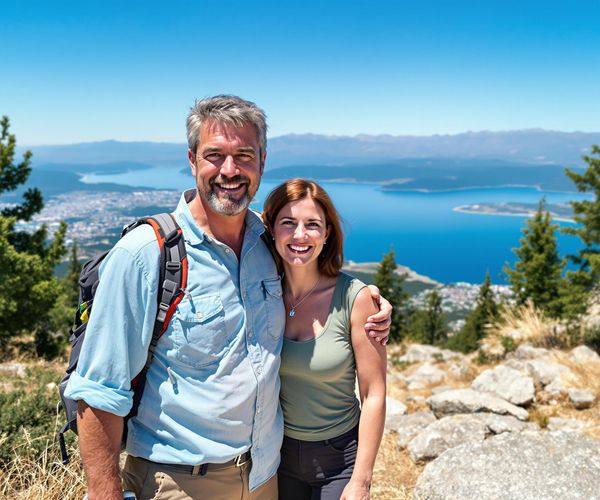
- Knox Mountain: For panoramic views of Kelowna and Okanagan Lake, head to Knox Mountain. The hike to the top is worth it for the breathtaking scenery. {image2}
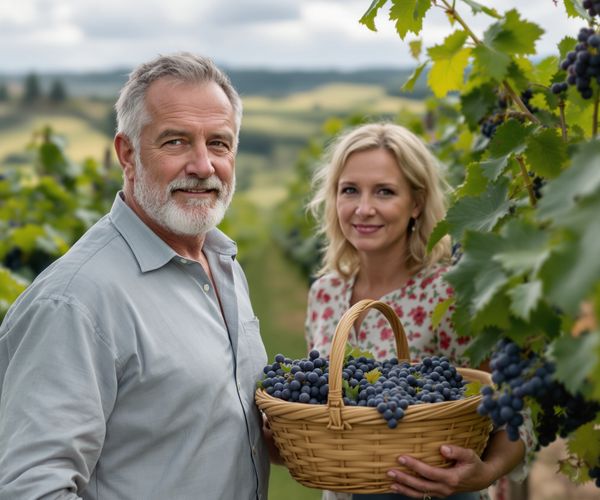
- Vineyards: The rolling hills of the Okanagan vineyards offer a picturesque backdrop for landscape photography, especially during the fall when the leaves change color. {image3}
Don't be afraid to explore off the beaten path. Some of the best photo opportunities are found in unexpected places. Talk to locals, do some research, and get out there and discover your own hidden gems. {image4}
So there you have it – a few tips to help you capture stunning landscapes in the Okanagan Valley and beyond. Now grab your camera, head out, and start shooting! You might even see Olivia and I out there, cameras in hand, enjoying the view. Cheers!
Practical photography advice for travelers looking to capture breathtaking landscapes, focusing on composition and lighting in the Okanagan Valley.