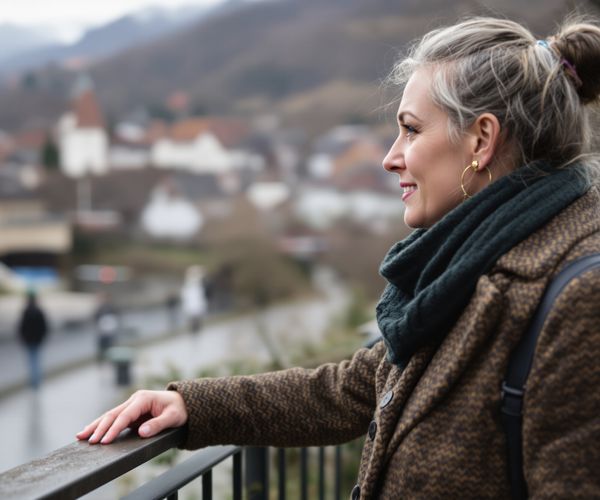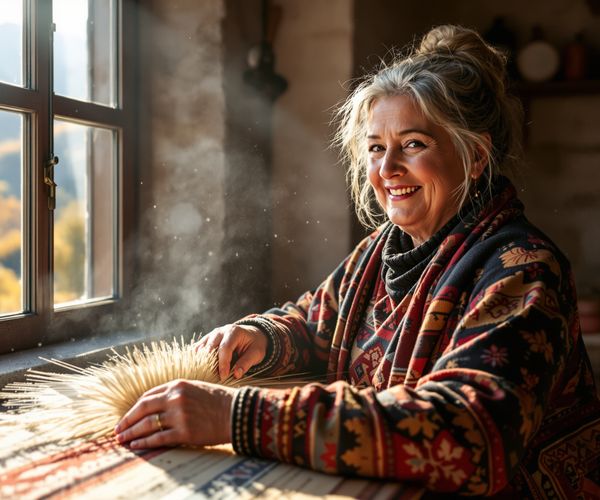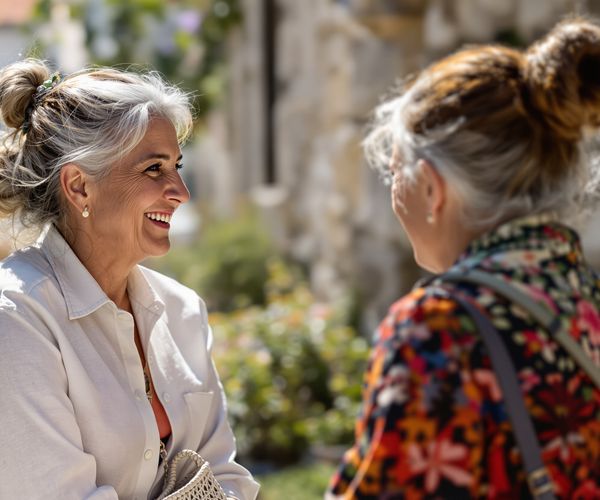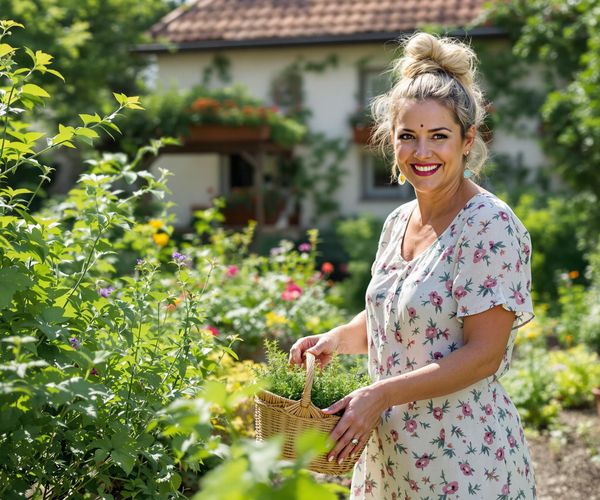
There's a quiet revolution happening in the world of travel, a shift away from the whirlwind tours and ticking off must-see lists, and towards a more mindful and immersive way of experiencing new places. It's called slow travel, and it's about savoring the journey, connecting with local cultures, and finding joy in the simple moments.
The Essence of Slow Travel: More Than Just a Trend
Slow travel, at its heart, is a philosophy. It's not just about traveling slowly, but about traveling deliberately. It's about choosing experiences over checklists, depth over breadth, and connection over consumption. It's a conscious rejection of the frenetic pace of modern life and a return to a more human-centered way of exploring the world.
Unlike conventional tourism, which often focuses on seeing as many sights as possible in a limited amount of time, slow travel prioritizes quality over quantity. It's about spending more time in fewer places, allowing yourself to truly understand and appreciate the local culture, environment, and people. Think of it as savoring a fine wine, rather than gulping down a soda. It's about fully engaging your senses and being present in the moment.
The core values of slow travel are rooted in sustainability, cultural immersion, and personal enrichment. It's about minimizing your environmental impact by choosing eco-friendly transportation and accommodations, supporting local businesses, and respecting the natural environment. It's about immersing yourself in the local culture by learning the language, trying the local cuisine, and engaging with the local community. And it's about enriching your own life by expanding your horizons, challenging your assumptions, and connecting with people from different backgrounds.
The slow travel movement has its roots in the broader slow movement, which began in the 1980s as a protest against the rise of fast food. Over time, the slow movement expanded to encompass other areas of life, including travel. Today, slow travel is a growing trend, with more and more people seeking out authentic and meaningful travel experiences. It is not just about travelling, it is about the journey.
Why Slow Travel? The Myriad Benefits of Taking Your Time
The benefits of slow travel are numerous and far-reaching. One of the most significant is the opportunity for deeper cultural immersion. By spending more time in a particular place, you have the chance to connect with locals on a more personal level, to learn about their lives, their traditions, and their perspectives. This can lead to a richer and more meaningful travel experience, one that goes beyond the surface level of typical tourism.
Slow travel also allows you to reduce your environmental impact. By choosing sustainable transportation options, such as trains, buses, cycling, and walking, you can minimize your carbon footprint. By staying in locally owned guesthouses and supporting local businesses, you can help to promote sustainable tourism practices. And by respecting the natural environment, you can help to preserve it for future generations.
For me, slow travel is also about personal growth and reflection. When you slow down and allow yourself to be present in the moment, you create space for introspection and mindfulness. You have time to think about your life, your values, and your goals. You can learn new things about yourself and the world around you. And you can return home feeling refreshed, rejuvenated, and inspired.
One of the joys of slow travel is the enhanced appreciation for local cuisine and traditions. When you're not rushing from one tourist attraction to the next, you have time to savor the local flavors, to learn about the history and culture behind the food, and to connect with the people who grow and prepare it. You can attend local festivals and celebrations, participate in traditional crafts, and learn about the local customs and beliefs. This can lead to a deeper understanding and appreciation of the local culture.
And let's not forget the stress reduction and improved mental well-being that comes with slow travel. When you're not constantly on the go, you have time to relax, to unwind, and to enjoy the simple things in life. You can sleep in, read a book, take a walk in nature, or simply sit and watch the world go by. This can help to reduce stress, improve your mood, and boost your overall mental well-being.
Embracing the Pace: Practical Tips for Slowing Down Your Travels
So, how can you embrace the pace of slow travel? Here are a few practical tips:
First, choose destinations that align with slow travel principles. Look for smaller towns, rural areas, and culturally rich regions that offer opportunities for authentic experiences. Avoid the crowded tourist hotspots and seek out places where you can connect with the local community.
Second, select sustainable transportation options. Trains, buses, cycling, and walking are all great ways to slow down and see the world at a more human pace. Avoid flying whenever possible, as it is one of the most carbon-intensive forms of transportation.
Third, find authentic accommodations. Family-run guesthouses, farm stays, and eco-lodges are all excellent choices for slow travelers. These types of accommodations offer a more personal and intimate experience than large chain hotels, and they often support local communities.
Fourth, engage with local communities. Attend cultural events, take cooking classes, volunteer for a local organization, or simply strike up a conversation with a local resident. The more you engage with the local community, the more you will learn about the local culture.
Finally, allow ample time for exploration and relaxation. Avoid packed itineraries and embrace spontaneity. Leave room in your schedule for unexpected adventures and moments of quiet contemplation. The goal is not to see everything, but to experience everything fully.
Montenegro Through a Slow Lens: Personal Anecdotes from My Homeland
Montenegro, my beloved homeland, is a perfect destination for slow travel. With its stunning natural beauty, rich history, and vibrant culture, it offers endless opportunities for exploration and discovery. I have so many fond memories of slow travel experiences in Montenegro, from hiking in the mountains to swimming in the sea to simply sitting in a café and watching the world go by.
One of my favorite places in Montenegro is Lake Skadar, the largest lake in the Balkans. {image1} This pristine lake is a haven for wildlife, and it offers a variety of activities for slow travelers, such as birdwatching, kayaking, and fishing. You can also take a boat tour of the lake and visit some of the charming villages that dot its shores. I remember spending countless hours exploring the lake with my family, marveling at the beauty of the natural world.
Another must-see destination in Montenegro is Durmitor National Park, a UNESCO World Heritage Site. {image2} This rugged mountain range is home to some of the most spectacular scenery in Europe, with towering peaks, deep canyons, and glacial lakes. You can hike, bike, or horseback ride through the park, or simply relax and enjoy the breathtaking views. I have many cherished memories of hiking in Durmitor with my husband, Klaus, and discovering hidden waterfalls and panoramic vistas.
And then there's the village of Godinje, a hidden gem nestled in the hills above Lake Skadar. This traditional Montenegrin village is known for its unique architecture, its friendly locals, and its delicious homemade wine. {image3} You can wander through the village's narrow streets, admire the stone houses, and sample the local delicacies. I still remember the warmth and hospitality of the villagers, who welcomed us with open arms and shared their stories and traditions.
Preserving Montenegrin culture and traditions is of utmost importance to me. I believe that slow travel can play a vital role in this effort by supporting local businesses, promoting sustainable tourism practices, and encouraging cultural exchange. By slowing down and connecting with the local community, travelers can gain a deeper understanding and appreciation of Montenegrin culture, and they can help to preserve it for future generations.
For travelers who want to experience Montenegro at a slower pace, I recommend visiting during the shoulder seasons (spring and fall), when the weather is mild and the crowds are smaller. I also suggest staying in family-run guesthouses or apartments, which offer a more authentic and personal experience than large hotels. And be sure to try the local cuisine, which is a delicious blend of Mediterranean and Balkan flavors.
Beyond Montenegro: Slow Travel Adventures in the Balkans and Beyond
The Balkans, as a whole, are a fantastic region for slow travel. Countries like Croatia, Slovenia, and Greece offer a wealth of opportunities for cultural immersion, outdoor adventure, and relaxation. Whether you're exploring the ancient ruins of Delphi, hiking in the Julian Alps, or sailing along the Dalmatian Coast, you're sure to find something to inspire you.
In Croatia, I recommend visiting the Istrian Peninsula, a region known for its charming towns, rolling hills, and delicious cuisine. {image4} You can explore the Roman amphitheater in Pula, wander through the medieval streets of Rovinj, or sample the local wines and olive oils. I have fond memories of cycling through the Istrian countryside with Klaus, stopping at local wineries and enjoying the stunning views.
In Slovenia, I suggest visiting Lake Bled, a picturesque lake surrounded by mountains and forests. {image5} You can take a boat to Bled Island, visit the medieval castle, or hike around the lake. I remember being mesmerized by the beauty of Lake Bled, and I felt a sense of peace and tranquility that I had never experienced before.
And in Greece, I recommend visiting the Peloponnese Peninsula, a region rich in history and culture. {image6} You can explore the ancient ruins of Olympia, wander through the medieval town of Monemvasia, or relax on the beaches of the Messinian Gulf. I have vivid memories of exploring the Peloponnese with Klaus, discovering hidden temples and ancient theaters, and learning about the fascinating history of this region.
The common thread that runs through all of these slow travel experiences is the opportunity to connect with the local culture, to learn about the local history, and to appreciate the local beauty. Whether you're in Montenegro, Croatia, Slovenia, Greece, or anywhere else in the world, I encourage you to explore with a slow travel mindset. Slow down, take your time, and allow yourself to be fully present in the moment. You might be surprised at what you discover.
Discover the essence of slow travel and how it can transform your journeys into deeper, more meaningful experiences. Learn practical tips and explore personal anecdotes from Montenegro and beyond.