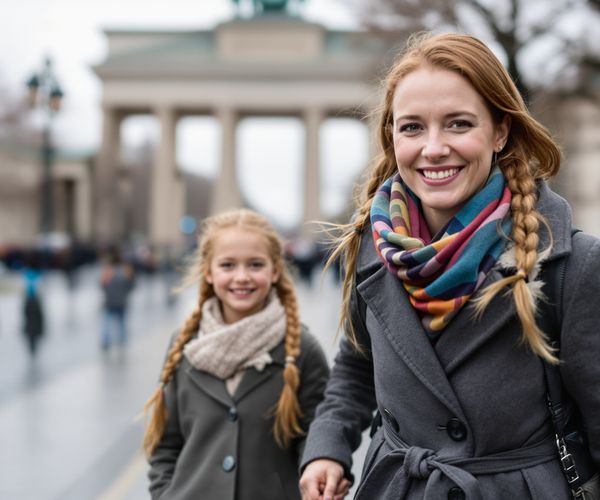
As a family, we've always believed that travel is one of the most enriching experiences you can have. It's not just about seeing new places, but about creating lasting memories, learning about different cultures, and growing together as a family. However, balancing the needs and interests of both adults and children while traveling can be a challenge. Over the years, my husband Hans, our daughter Sophie, and I have learned a few tricks to make our family trips not only enjoyable but also deeply meaningful. Here are some tips we've gathered along the way.
Planning with Purpose: Aligning Travel with Family Values
One of the most important things we've learned is to choose destinations and activities that reflect our family's shared interests and values. For us, this means prioritizing cultural experiences, historical sites, and opportunities for learning. Before we even start looking at flights or hotels, we sit down as a family and discuss what we want to get out of our trip. What kind of experiences are we hoping to have? What do we want to learn?
For example, a few years ago, we took a trip to Italy. Instead of just hitting the major tourist spots, we focused on exploring the country's rich history and art. We visited ancient ruins, toured world-class museums, and even took a cooking class to learn how to make traditional Italian pasta. This trip was particularly meaningful because it aligned with our family's shared love of history, art, and food.
When researching destinations, I always make sure to check out travel blogs, guidebooks, and online forums to get a sense of what each place has to offer. I also look for activities that cater to different age groups and interests. It's important to find a balance between activities that everyone will enjoy and activities that are tailored to specific family members.
Involving Children in the Planning Process: Fostering Excitement and Ownership
Involving Sophie in the planning process has been a game-changer for our family trips. When kids feel like they have a say in what they're doing, they're much more likely to be engaged and excited about the trip. We started doing this when she was quite young, and it's made a huge difference in her attitude towards travel.
Depending on her age, Sophie's tasks might include choosing a restaurant, researching a local landmark, or even helping to pack her own suitcase. For our recent trip to Spain, Sophie was in charge of researching the local cuisine. She found a tapas restaurant that she was really excited about, and it ended up being one of our favorite meals of the trip.
Even simple things like letting Sophie choose the color of her travel pillow or pick out a new book to read on the plane can make her feel more involved and invested in the trip. It's all about giving her a sense of ownership and control.
Balancing Structure and Spontaneity: Creating a Flexible Itinerary
While it's important to have a basic itinerary, we've found that it's equally important to leave room for spontaneous adventures and unexpected discoveries. Over-scheduling can lead to stress and burnout, especially when traveling with children. We aim for a balance between planned activities and free time to explore and relax.
When creating our itinerary, we always factor in downtime for Sophie to play, read, or just relax. We also try to be flexible with our plans, knowing that things don't always go as expected. If Sophie is tired or not feeling well, we're always willing to adjust our schedule and take a break.
One of our most memorable travel experiences happened when we took an unplanned detour during a road trip through France. We stumbled upon a small, charming village that wasn't even on our map. We spent the afternoon exploring the village, chatting with the locals, and enjoying a delicious picnic lunch. It was a truly magical experience that we would have missed if we had stuck to our original itinerary.
Embracing Cultural Immersion: Engaging with Local Communities
For us, travel is about more than just seeing the sights. It's about connecting with local communities and learning about different cultures. We believe that cultural immersion is essential for creating meaningful travel experiences and fostering a deeper understanding of the world.
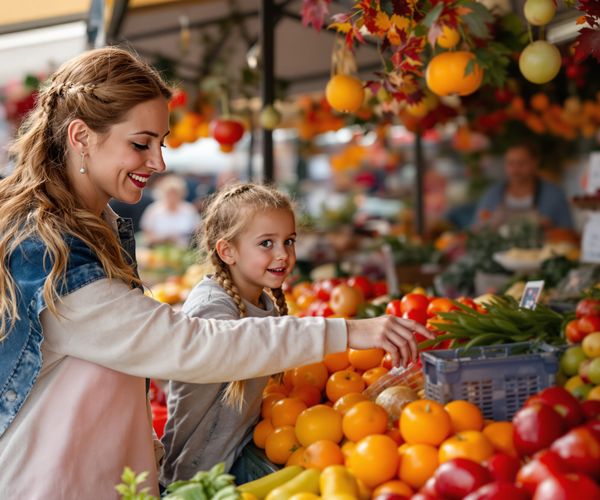
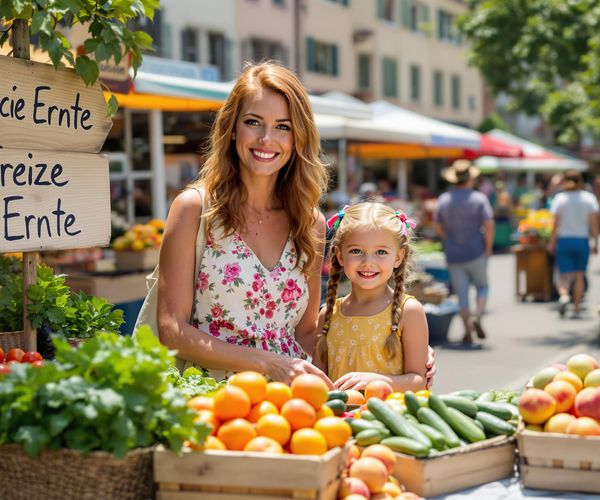
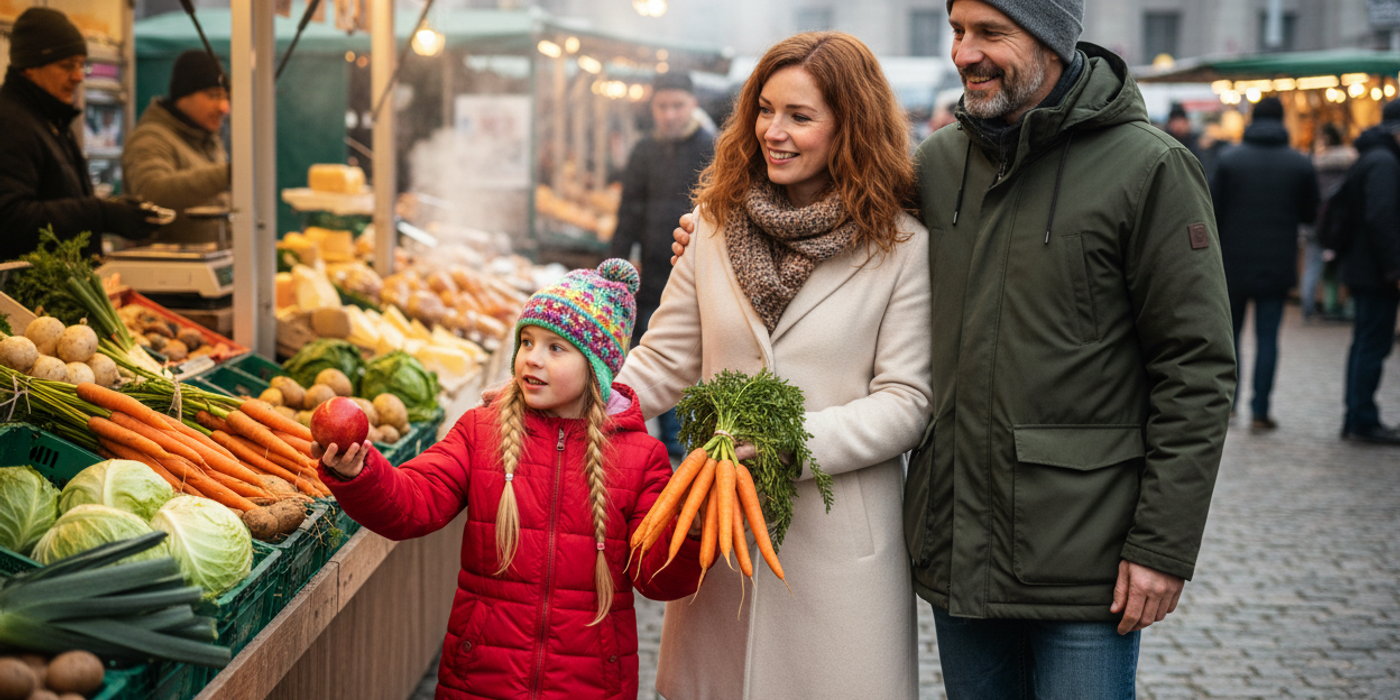
Some of our favorite ways to engage with local communities include taking a cooking class, visiting local markets, attending festivals, and learning a few basic phrases in the local language. We also try to support local businesses and artisans whenever possible.
During our trip to Japan, we took a calligraphy class and learned how to write our names in Japanese. It was a challenging but rewarding experience that gave us a newfound appreciation for Japanese art and culture. We also made an effort to speak Japanese with the locals, even if it was just a few simple phrases. The locals were always so appreciative of our efforts, and it helped us to connect with them on a deeper level.
Incorporating Educational Activities: Turning Travel into a Learning Opportunity
Travel is a fantastic opportunity to learn about history, culture, and the environment. We always try to incorporate educational activities into our family trips, whether it's visiting a museum, exploring a historical site, or hiking through a national park.
When visiting museums, we try to make it fun and engaging for Sophie by focusing on interactive exhibits and scavenger hunts. We also encourage her to ask questions and share her thoughts about what she's seeing. For example, when we visited the Egyptian Museum in Berlin, we challenged Sophie to find her favorite artifact and tell us why she liked it. She chose a small statue of a cat and told us all about the importance of cats in ancient Egyptian culture.
Sophie has learned so much about history and culture through our travels. She's also developed a greater appreciation for the natural world. We believe that travel is one of the best ways to educate children and broaden their horizons.
Managing Expectations and Challenges: Addressing Common Travel Concerns
Let's be honest: family travel isn't always easy. There will be challenges along the way, such as managing different interests, dealing with picky eaters, and handling unexpected delays. The key is to be prepared and to have a plan for addressing these challenges.
One of the biggest challenges we face is managing different interests. Hans is a history buff, while I'm more interested in art and culture. Sophie, of course, has her own unique interests. To address this challenge, we try to find activities that appeal to everyone. We might visit a historical site one day and a museum the next. We also make sure to allow for individual activities, so that everyone has a chance to pursue their own interests.
We've also learned to be patient and understanding when things don't go as planned. Delays are inevitable when traveling, especially with children. Instead of getting frustrated, we try to see it as an opportunity to slow down and enjoy the moment. We might read a book, play a game, or simply people-watch.
Creating Lasting Memories: Documenting and Reflecting on Travel Experiences
Finally, it's important to document your travel experiences and reflect on them as a family. This will help you to create lasting memories and to appreciate the lessons you've learned along the way.
We document our trips through photos, journals, and scrapbooks. I love looking back at old photos and reminiscing about our past adventures. We also keep a travel journal where we record our favorite moments, funny stories, and interesting facts. Sophie enjoys drawing pictures of the places we've visited and writing about her experiences.
After each trip, we take some time to reflect on our experiences as a family. We share our favorite moments, discuss the lessons we've learned, and plan our next adventure. These reflections help us to appreciate the value of travel and to strengthen our bond as a family.
Tips and tricks on balancing the needs and interests of both adults and children while traveling, to make family trips not only enjoyable but also deeply meaningful.