As a mom and an expat living in Berlin, I'm always on the lookout for ways to make travel enriching and fun for my daughter, Sophie. Europe is a treasure trove of culture, and I believe it's never too early to start exploring! Here are some of my favorite ways to engage kids with culture while on the go.
Making Museum Visits Fun and Interactive
Museums can be daunting for kids (and sometimes adults!), but with a little planning, they can become exciting adventures. The key is to select museums that cater to different age groups and interests. Sophie, for instance, loves anything related to history and science, so we tailor our choices accordingly.
Before you even set foot in the museum, involve your kids in the planning. Let them choose which exhibits they want to see, look at the museum map together, and discuss what they might learn. This sense of ownership makes them more invested in the experience.
Once inside, turn the visit into a scavenger hunt! Create a list of things for them to find – a specific painting, a particular artifact, or even just a certain color. This keeps them engaged and encourages them to look closely at the exhibits. Storytelling is another great way to bring history to life. Instead of just reading the captions, make up stories about the people and events behind the objects. You can even encourage your kids to create their own stories!
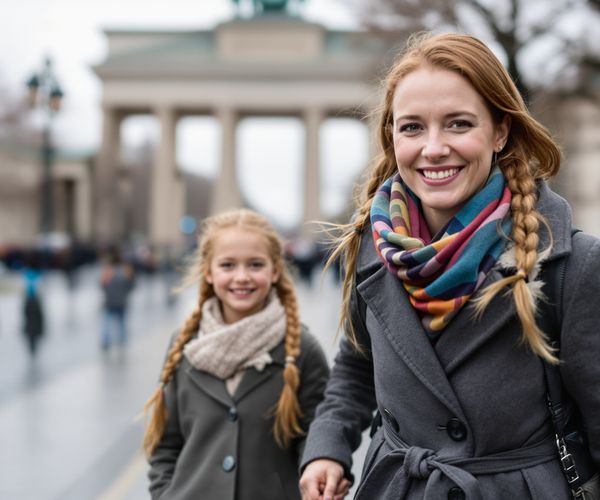
Europe is full of amazing kid-friendly museums. In Munich, the Deutsches Museum is a fantastic option, with interactive exhibits that let kids explore science and technology firsthand. {image1} London's Natural History Museum is another must-see, with its impressive dinosaur skeletons and fascinating displays about the natural world. Many museums also offer special programs and activities for kids, so be sure to check their websites before you go.
Hands-On Cultural Workshops
There's nothing quite like getting your hands dirty to truly understand a culture. Local craft workshops offer a fantastic opportunity for kids to learn new skills and connect with traditions.
Pottery, painting, weaving – these are just a few examples of the many workshops available in European cities. Not only are these activities fun and engaging, but they also provide a valuable hands-on learning experience. When kids create something themselves, they develop a deeper appreciation for the culture and the skills involved.
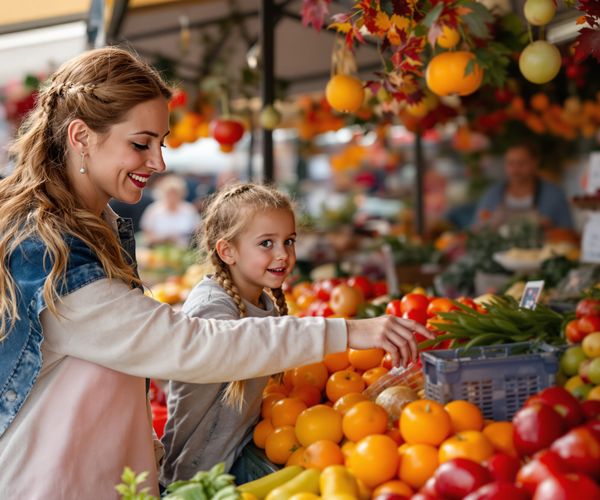
In Italy, you might find workshops where kids can learn to make pasta from scratch. In Germany, they can try their hand at traditional crafts like woodcarving or candle making. {image2} These workshops are often run by local artisans who are passionate about sharing their knowledge and skills. To find local workshops, check with tourist information centers, community centers, or even online platforms like Airbnb Experiences.
Language Learning Through Play
Learning a new language can be a fun and rewarding experience, especially when it's incorporated into travel activities. Start with the basics – simple greetings, please, thank you, and numbers. Even knowing a few phrases can make a big difference in how you connect with locals.
Turn language learning into a game! Play I Spy using colors and objects in the local language. Sing songs and read books together. There are also many great language apps and resources available for kids on the go. Duolingo and Memrise are popular options, offering interactive lessons and fun challenges.
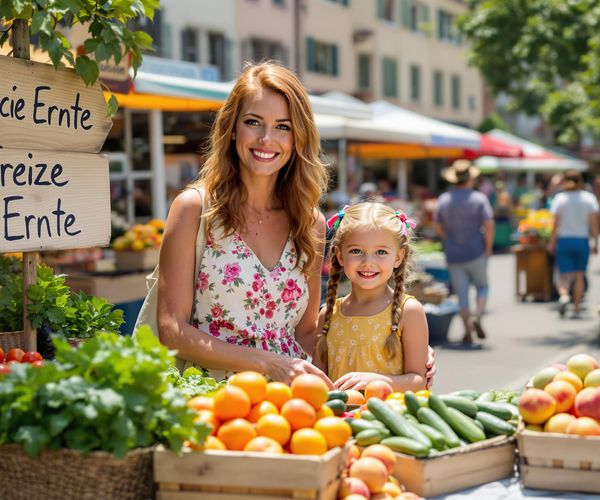
One of the best ways to practice language skills is to encourage interaction with local children. {image3} Visit playgrounds and parks, and encourage your kids to strike up conversations. Even simple interactions like asking for directions or ordering food can be valuable learning opportunities. To find language learning activities, look for local language exchange groups or tutoring services.
Exploring Local Cuisine Together
Food is an integral part of any culture, and exploring local cuisine is a delicious way to learn about a new place. Visiting local markets is a great way to discover new foods and ingredients. Let your kids choose some fruits or vegetables they've never tried before, and then find a recipe to cook together.
Taking cooking classes focused on regional dishes is another fantastic option. Many cooking schools offer classes specifically designed for families, where you can learn to make traditional dishes like paella in Spain or pierogi in Poland.
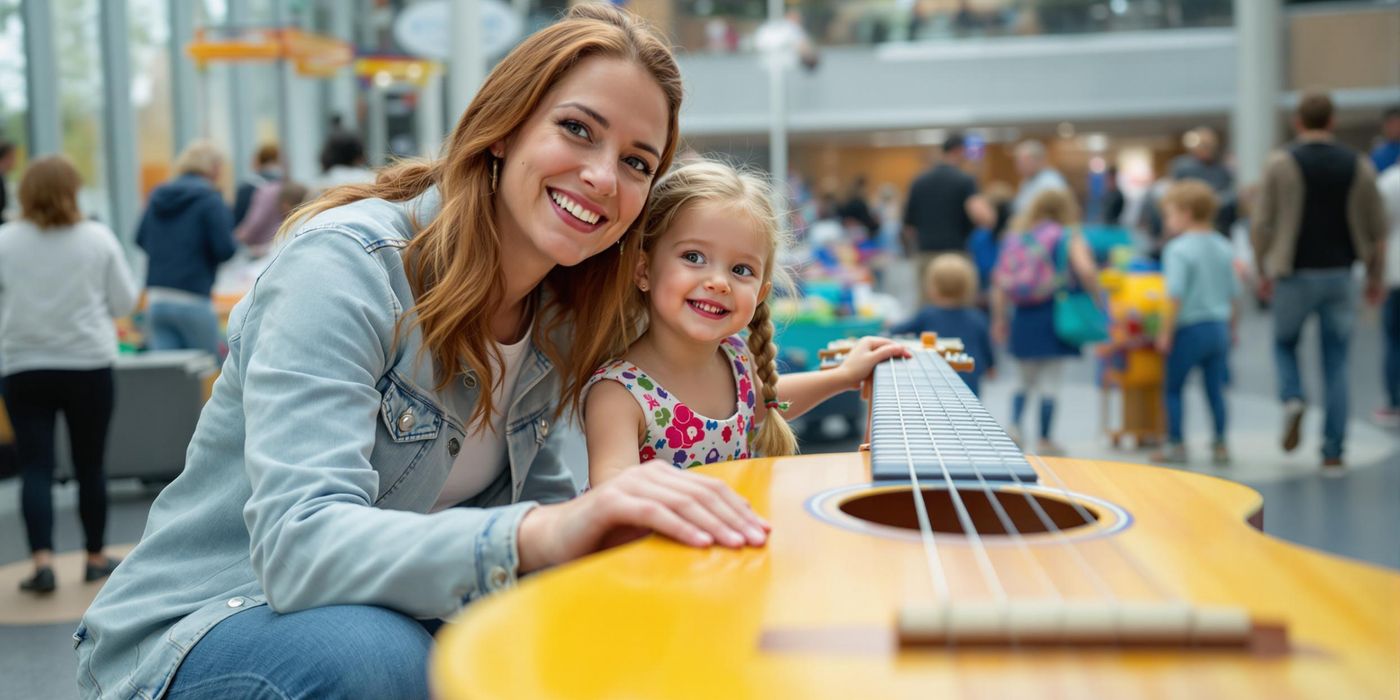
Involve your kids in meal preparation and discussions about food origins. Talk about where the ingredients come from, how they're grown, and the history behind the dish. {image4} Look for kid-friendly recipes from different European countries and try making them at home. This is a fun way to introduce your kids to new flavors and cultures, even when you're not traveling.
Festivals and Cultural Events
Planning your trip around local festivals and events can add a whole new dimension to your cultural experience. From traditional folk festivals to modern music events, Europe is full of celebrations that offer a glimpse into the local culture.
Engage your kids in festival activities by letting them participate in parades, traditional games, and performances. Explain the cultural significance of these events in an accessible way, using stories and examples that they can understand.
Oktoberfest in Munich is a classic example of a family-friendly festival, with its lively atmosphere, traditional music, and delicious food. {image5} Other options include La Tomatina in Spain, where participants throw tomatoes at each other, and the Venice Carnival in Italy, with its elaborate costumes and masks. Before you go, research the festival's traditions and customs so you can prepare your kids and make the most of the experience.
Discover enriching cultural activities that can keep children engaged and learning while traveling. Turn museum visits into scavenger hunts, try local craft workshops and explore local cuisine together.