Living in Berlin has opened my eyes to the incredible diversity and richness of local markets. They're not just places to buy groceries; they're vibrant hubs of culture, history, and human connection. As an American expat, I've found that exploring these markets is one of the best ways to truly understand and appreciate the local way of life. Come along as I share my insights and tips for making the most of your own market adventures!
The Allure of Local Markets: More Than Just Shopping
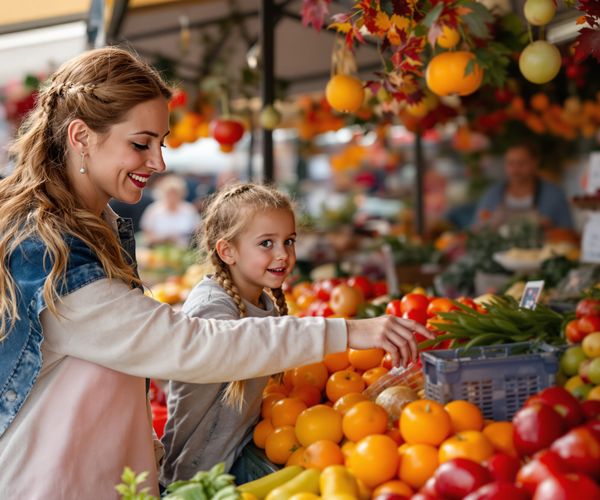
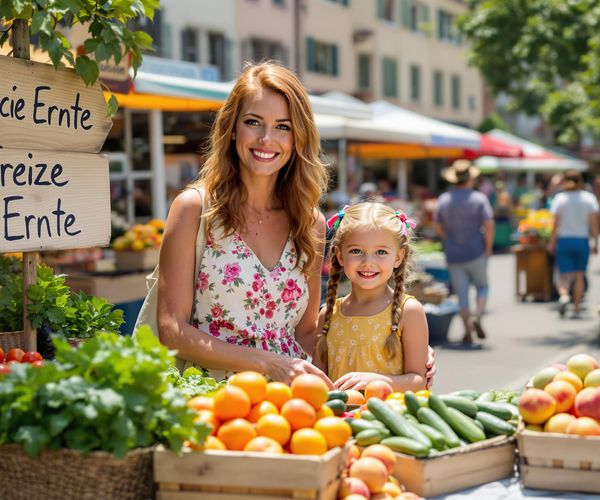
Local markets are so much more than just places to pick up your weekly groceries. They are vibrant hubs of culture, buzzing with activity and brimming with local life. Forget sterile supermarket aisles; these markets offer a feast for the senses. The colorful displays of fresh produce, the lively chatter of vendors and shoppers, and the tantalizing aromas of local delicacies all combine to create an immersive experience that connects you to the heart and soul of a destination. They are living, breathing snapshots of a community's identity.
I remember the first time I visited a Turkish market here in Berlin. The sheer variety of spices, the vibrant textiles, and the friendly banter of the vendors completely captivated me. It was a far cry from the supermarkets I was used to back home. It was an experience that truly awakened my senses and made me feel like I was part of something special.
Cultural Significance: Reflecting Local Traditions and Values
These markets aren't just about commerce; they are mirrors reflecting the traditions, values, and lifestyles of a community. They showcase local artistry, craftsmanship, and stories passed down through generations. From handcrafted textiles to regional specialties, each item tells a tale of the people who created it and the place it comes from.
Markets often play a vital role in preserving cultural heritage. You might find artisans demonstrating age-old crafts, vendors selling traditional foods prepared according to family recipes, or even storytellers sharing local legends and folklore. In many ways, these markets are living museums, preserving and celebrating the unique cultural identity of a region. For example, I've seen markets where local dialects are still spoken, keeping the language alive and vibrant.
Notable Markets Around the World: A Glimpse into Different Cultures
Every market has its own unique character and charm. Here are a few notable examples that offer a glimpse into different cultures:
- The Grand Bazaar in Istanbul, Turkey: This sprawling labyrinth is one of the oldest and largest covered markets in the world. It offers a vast array of goods, from carpets and ceramics to jewelry and spices. Its historical significance as a center of trade and commerce is palpable as you wander through its maze-like corridors.
- Toyosu Fish Market (formerly Tsukiji) in Tokyo, Japan: This market is the epicenter of the Japanese fish trade. It offers a fascinating look at the country's seafood industry and unique culinary offerings. The tuna auction is a particularly impressive spectacle.
- Pike Place Market in Seattle, USA: This iconic market connects local farmers and urban consumers, offering a wide variety of fresh produce, seafood, and artisanal goods. The lively atmosphere and stunning views of Puget Sound make it a must-visit destination.
Navigating Local Markets: Practical Tips for a Smooth Visit
To make the most of your market experience, a little planning can go a long way:
- Plan ahead: Check the market's hours and days of operation before you go. Some markets are only open on certain days or during specific times of the year.
- Bring cash: While some vendors may accept credit cards, many prefer cash. Having local currency on hand will make transactions much smoother.
- Be prepared for crowds: Markets can get quite crowded, especially during peak hours. Be prepared to navigate through throngs of people and keep your belongings close to prevent theft.
Responsible Shopping: Supporting Local and Sustainable Practices
When shopping at local markets, consider the impact of your choices on the environment and the local community:
- Use reusable bags and containers: Reduce packaging waste by bringing your own reusable bags and containers for produce, baked goods, and other items.
- Support local farmers and products: Choose locally grown and produced goods to support local farmers and maintain biodiversity. This also helps reduce the carbon footprint associated with transporting goods from far away.
- Look for fresh, seasonal produce: Opt for fruits and vegetables that are in season to reduce the need for imported goods and support sustainable agriculture.
Interacting with Vendors Respectfully: Building Connections
One of the best parts of visiting local markets is the opportunity to connect with the people who grow, make, and sell the goods. Here are a few tips for interacting with vendors respectfully:
- Approach conversations with a friendly and respectful tone: A smile and a polite greeting can go a long way in building rapport with vendors.
- Ask vendors about their products and how they are made: Show genuine interest in their craft and ask questions about the origin, ingredients, or production process of their goods.
- Be mindful of vendors' time, especially when the market is busy: If the market is crowded, be respectful of the vendors' time and keep your interactions brief and to the point.
Exploring local markets is an enriching experience that offers a unique window into the culture and traditions of a place. By following these tips, you can make the most of your market adventures and create lasting memories. So, the next time you travel, be sure to venture beyond the tourist traps and immerse yourself in the vibrant world of local markets!
Discover the cultural richness of local markets and learn how they can enhance your travel experiences by offering authentic insights into local life. They're vibrant hubs of culture!