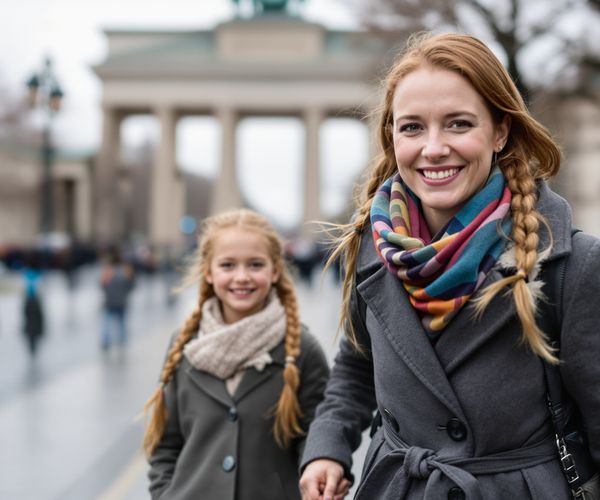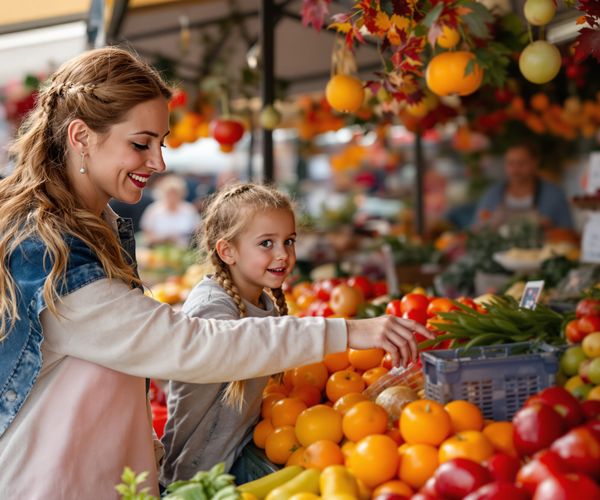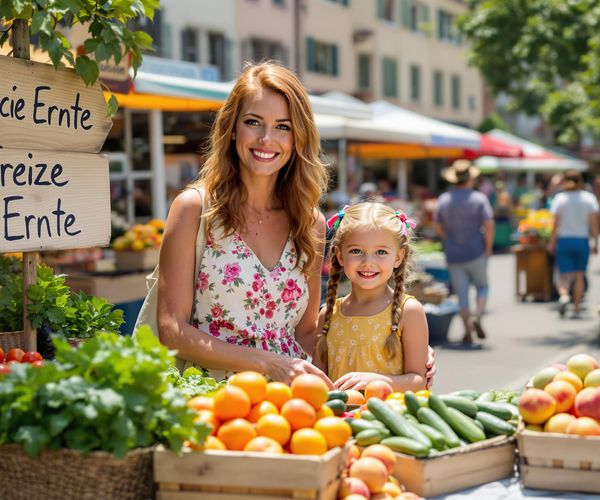
As a family, we've always believed that travel is more than just seeing new places; it's about connecting with people and cultures. And what better way to connect than through language? Living in Berlin, we've embraced multilingualism, and it has transformed our travel experiences. This is how we've learned to navigate the world, one phrase at a time.
The Why of Multilingualism: Unlocking Travel's True Potential
Knowing multiple languages while traveling with family is like having a secret key that unlocks so many doors. It's not just about understanding signs or menus; it's about genuine connection. When you can communicate, even a little, in the local language, you're showing respect and a willingness to understand their culture. This simple act can lead to richer, more authentic experiences. For instance, during our trip to Italy, attempting to order gelato in Italian (however broken!) resulted in a delightful conversation with the shop owner, who then shared his family's secret recipe with us. These are the moments that transform a simple vacation into a cherished memory.
When you travel as a family, the experience becomes even more profound. Our daughter, Sophie, feels a sense of pride when she can use her growing language skills. It boosts her confidence and encourages her to engage with the world around her. Plus, it’s incredibly rewarding to see her connect with local children, bridging cultural gaps through simple phrases and shared laughter. These experiences teach her empathy, adaptability, and an appreciation for diversity – invaluable life lessons learned outside the classroom.
First Steps: Essential Phrases for Family Adventures
When planning a trip, we always start by learning a few essential phrases in the local language. These aren't just polite formalities; they're practical tools that can make your travels smoother and more enjoyable. Here are some key phrases that we've found useful in various travel scenarios:
- Greetings: Hello, Goodbye, Good morning/afternoon/evening
- Basic Politeness: Please, Thank you, You're welcome, Excuse me
- Ordering Food: I would like..., Can I have...?, The bill, please.
- Asking for Directions: Where is...?, How do I get to...?, Is it far?
- Emergencies: Help!, I need a doctor, Police
Here's a mini phrasebook to get you started:
- Spanish: Hola (Hello), Gracias (Thank you), ¿Dónde está...? (Where is...?)
- French: Bonjour (Hello), Merci (Thank you), Où est...? (Where is...?)
- German: Hallo (Hello), Danke (Thank you), Wo ist...? (Where is...?)
- Italian: Ciao (Hello), Grazie (Thank you), Dov'è...? (Where is...?)
Don't worry about perfect pronunciation! There are tons of online resources to help. Websites like Forvo provide audio pronunciations by native speakers. Apps like Google Translate can also be helpful, but remember, it's best used as a tool to supplement your learning, not replace it. The key is to try – locals will appreciate the effort, even if your accent isn't perfect.
Making it a Family Affair: Fun Language Learning Activities
Language learning doesn't have to be a chore; it can be a fun family activity! We've found that incorporating interactive games and activities makes the process much more engaging, especially for Sophie.
- Language Learning Apps: Apps like Duolingo are fantastic for building vocabulary and grammar skills in a gamified way. We often have friendly competitions to see who can complete the most lessons each week.
- Flashcards: Creating flashcards with pictures and words is a simple yet effective way to learn new vocabulary. Sophie loves drawing the pictures herself, which helps her remember the words even better.
- Language-Themed Movie Nights: Watching movies in another language (with subtitles, of course!) is a fun way to immerse yourselves in the sounds and rhythms of the language. We often choose movies set in the countries we plan to visit.
- Cooking Together: Following recipes in another language is a delicious way to learn new vocabulary related to food and cooking. Plus, you get to enjoy a tasty meal together afterward!
We also try to incorporate language learning into our daily routines. For example, we label household items with their names in German and English. During travel, we make a game out of spotting and identifying signs in the local language. The goal is to make language learning a natural and enjoyable part of our lives.
Tech to the Rescue: Language Learning Resources at Your Fingertips
In today's digital age, there's a wealth of language learning resources available at your fingertips. Here are some of our favorite apps and websites that we've found helpful for family language learning:
- Duolingo: As mentioned earlier, Duolingo is a popular app that offers free, gamified language lessons. It's a great option for beginners and covers a wide range of languages.
- Babbel: Babbel is a subscription-based app that offers more in-depth language courses. It focuses on practical conversation skills and provides personalized learning plans.
- Memrise: Memrise uses mnemonic devices and spaced repetition to help you memorize vocabulary and grammar rules. It also features user-generated content, so you can learn from native speakers.
- italki: italki connects you with native language tutors for online lessons. This is a great option if you want personalized feedback and guidance.
While these resources are incredibly helpful, remember that technology is just one tool in your language learning arsenal. Don't underestimate the value of real-life interactions and immersion experiences.
Embracing Mistakes: A Pathway to Connection
One of the biggest hurdles in language learning is the fear of making mistakes. It's natural to feel self-conscious when you're speaking a new language, but it's important to remember that mistakes are a part of the learning process. In fact, they can be opportunities for connection.
I remember one time in Paris when I tried to order croissants using my rusty French. Instead of saying Je voudrais un croissant (I would like a croissant), I accidentally said something that sounded like Je voudrais un poisson (I would like a fish). The baker looked at me with a puzzled expression, and I immediately burst out laughing. He realized my mistake, and we both shared a good chuckle. He even gave me an extra croissant on the house! That awkward moment turned into a delightful interaction and a fond memory.
Locals generally appreciate the effort you make to speak their language, even if your pronunciation isn't perfect. They understand that you're trying, and they're often happy to help you learn. So, don't be afraid to stumble over words or make grammatical errors. Embrace your mistakes and learn from them. They're a sign that you're pushing yourself outside of your comfort zone and engaging with the world in a meaningful way.
Beyond Words: Cultural Sensitivity and Non-Verbal Communication
Learning a language is about more than just memorizing words and phrases; it's also about understanding the culture and customs of the people who speak it. Cultural sensitivity is essential for respectful and meaningful travel experiences.
Non-verbal communication, such as gestures and body language, varies significantly across cultures. What might be considered polite in one country could be offensive in another. For example, in some cultures, it's considered rude to point with your index finger, while in others, it's perfectly acceptable. Similarly, the appropriate amount of eye contact can vary widely. In some cultures, direct eye contact is seen as a sign of honesty and respect, while in others, it's considered aggressive or disrespectful.
Before traveling to a new country, take some time to research its cultural norms and customs. Read travel guides, watch documentaries, or talk to people who have visited the country before. Pay attention to how locals interact with each other and try to emulate their behavior. Being mindful of cultural differences will help you avoid unintentional faux pas and build stronger connections with the people you meet.
Real-World Adventures: Stories from Multilingual Families
One of the most inspiring things about multilingual travel is hearing stories from families who have successfully navigated the challenges and reaped the rewards. I have a friend, Maria, who is originally from Spain but now lives in Canada with her husband and two children. They made a conscious decision to raise their children bilingually, speaking both Spanish and English at home. When they travel to Spain to visit family, their children effortlessly switch between languages, connecting with their relatives on a deeper level. Maria says that raising her children bilingually has not only enriched their lives but has also given them a unique perspective on the world.
Another family I know spent a year traveling around South America. Before they left, they took intensive Spanish lessons as a family. While they admit that their Spanish wasn't perfect, it allowed them to communicate with locals, navigate unfamiliar situations, and immerse themselves in the culture. They volunteered at a local school, stayed with host families, and learned about the history and traditions of each country they visited. They said that their language skills were instrumental in creating meaningful connections and unforgettable experiences.
These stories demonstrate the transformative power of multilingual travel. It's not always easy, but the rewards are immeasurable. By embracing language learning as a family, you can unlock new opportunities for connection, understanding, and adventure.
Discover how learning key phrases in multiple languages can enhance your family's travel experiences. Practical tips, language resources, and inspiring stories included!