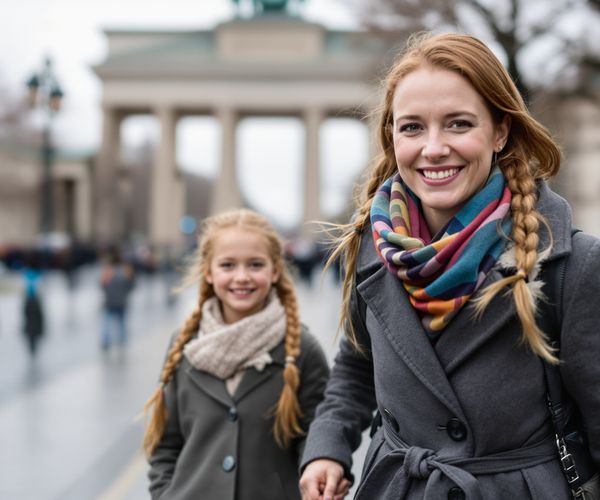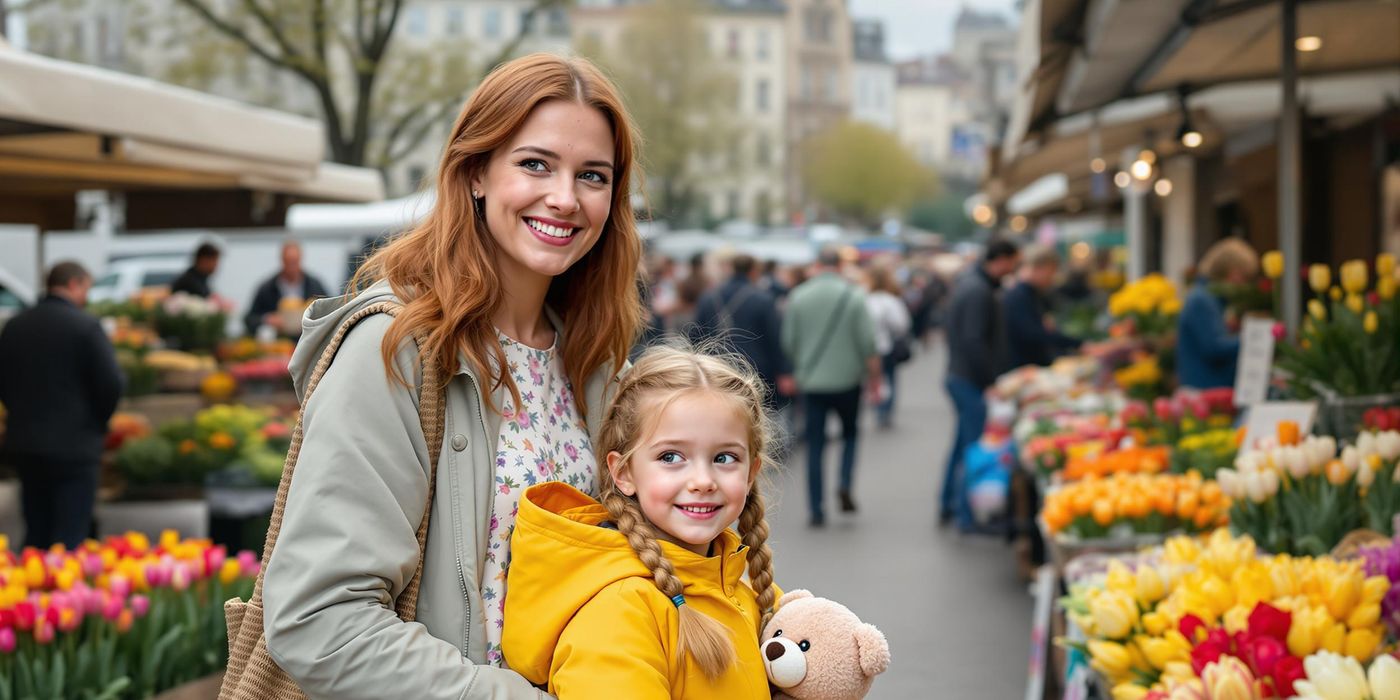
Europe! The land of fairytale castles, delicious pastries, and vibrant cultures. As a mom and expat living in Berlin, I've learned a thing or two about navigating this amazing continent with my daughter, Sophie. Forget the picture-perfect Instagram shots; let's talk real-life travel with kids – the meltdowns, the triumphs, and everything in between. This article is packed with practical tips to help your family create unforgettable memories (and maybe even enjoy the journey!).
Pre-Trip Planning: Setting the Stage for Success
Planning a trip to Europe with kids? It's more than just picking destinations; it's about setting everyone up for a successful adventure. Sophie gets super excited when she's involved in choosing where we go. We look at pictures together, read stories, and even watch short videos about different places. This builds anticipation and gets her invested in the trip.
Now, let's talk paperwork. Passports are a must, of course! Make sure they're valid for at least six months beyond your return date. And here's a heads-up: the ETIAS (European Travel Information and Authorisation System) is expected to be in full swing by mid-2025. It's essentially a visa waiver program for many countries, including the US. Don't wait until the last minute to apply; processing times can vary.
Choosing destinations is where the fun really begins. Think about what your family enjoys. Does your little one love knights and castles? Germany or Scotland might be perfect. Are they fascinated by ancient history? Rome or Athens could be a hit. Try to find a balance between activities that appeal to both kids and adults. No one wants to spend an entire vacation at a museum (unless, of course, that's your thing!).
Booking accommodations early is crucial, especially if you're traveling during peak season. Family-friendly options like vacation rentals, Kinder Hotels (more on those later!), or apartments with kitchenettes can make a huge difference. Having a kitchen allows you to prepare some of your own meals, which can save money and be a lifesaver for picky eaters.
Finally, resist the urge to cram too much into your itinerary. Trust me, less is more when traveling with kids. A slower pace allows for more immersive experiences and reduces stress. Focus on a few key destinations and leave plenty of time for downtime. Sophie and I love finding a local park, grabbing some gelato, and simply watching the world go by.
Navigating Transportation: Making the Journey Enjoyable
Europe offers a plethora of transportation options, each with its own set of pros and cons for families. Trains are fantastic for getting around, especially between major cities. They're generally comfortable, offer scenic views, and allow kids to move around more freely than in a car. Booking in advance is essential, especially during peak season, to secure seat reservations. Don't forget to utilize luggage storage; hauling suitcases through crowded train stations is no fun!
If you prefer the flexibility of a car, renting one is an option. However, be aware of car seat regulations. They vary from country to country, so do your research beforehand. If you're renting a car, confirm that it has ISOFIX (International Standard Organisation FIX) attachments for car seats. This makes installation much easier and safer.
Long travel days can be challenging, but with a little planning, you can make them more manageable. Pack a backpack full of entertainment: books, coloring books, small toys, and tablets loaded with movies or games. Snacks are essential! Pack a variety of healthy options to keep everyone fueled. And don't forget comfort items like pillows and blankets. Sophie always brings her favorite stuffed animal, which helps her feel more secure and relaxed.
In many cities, public transport is a convenient and affordable way to get around. Look for stroller-friendly options and be aware of car-free zones. Berlin, for example, has an excellent public transportation system that's easy to navigate with kids.
Accommodation Considerations: Creating a Home Away From Home
Choosing the right accommodation can make or break a family trip. Hotels with family suites offer more space and privacy than standard hotel rooms. Apartments with self-catering facilities are great for longer stays, allowing you to prepare your own meals and do laundry. And family-friendly resorts often offer a range of activities and amenities specifically designed for kids.
Kinder Hotels are a fantastic option, especially for younger children. These hotels offer childcare, kids' clubs, and all-inclusive options, allowing parents to relax and enjoy some downtime. We stayed at one in Bavaria a few years ago, and Sophie absolutely loved it!
Vacation rentals can be a great value, especially for larger families. They often offer more space and amenities than hotels, such as laundry facilities and fully equipped kitchens. Plus, they can provide a more authentic local experience.
Before booking any accommodation, read reviews carefully and confirm the availability of family-friendly amenities. Does the hotel offer cribs or high chairs? Is there a playground or swimming pool? Are there restaurants nearby that cater to children?
If you're on a tight budget, consider hostels with private rooms or camping options with mobile homes. These can be surprisingly affordable and offer a unique travel experience.
Packing Essentials: Preparing for All Scenarios
Packing for a family trip to Europe requires careful planning. Start with a comprehensive packing list that includes clothing, toiletries, medications, and entertainment items. Pack by outfit and use packing cubes to stay organized. This makes it easier to find what you need and prevents your suitcase from becoming a chaotic mess.
Don't forget those comfort items! Blankets, pillows, and favorite snacks can help children feel at ease during travel. Sophie always brings her special blanket, which she calls Bluey. It's a lifesaver on long flights or train rides.
Travel documents, adapters, and portable chargers are essential. Make copies of your passports and visas and keep them in a separate location from the originals. Europe uses a different electrical outlet than the US, so you'll need an adapter. And a portable charger is a must for keeping your devices powered up on the go.
Finally, aim to pack light. Choose versatile clothing items that can be mixed and matched. Utilize laundry facilities whenever possible. And consider shipping some items ahead of time to your destination.
Activities and Entertainment: Keeping Kids Engaged
A successful family trip involves a balance of cultural experiences, outdoor activities, and kid-friendly attractions. Plan a mix of activities that will appeal to everyone in your family. Visit museums, explore historical sites, take walking tours, and go on hikes. But don't forget to incorporate downtime and relaxation into your itinerary.
In Paris, visit the Eiffel Tower, take a boat ride on the Seine, and explore the Louvre. In Rome, visit the Colosseum, the Roman Forum, and the Vatican. In London, visit the Tower of London, Buckingham Palace, and the British Museum. And in Berlin, visit the Brandenburg Gate, the Reichstag, and Museum Island.
Look for local experiences that will immerse you in the culture. Visit farmers' markets, attend cultural events, and try local cuisine. Sophie and I love visiting the Wochenmarkt (weekly market) in our neighborhood. It's a great way to sample local produce and meet the vendors.
Embrace slow travel. Spend more time in fewer destinations and immerse yourselves in the local culture. This will allow you to connect with the people you meet and create lasting memories.
Health and Safety: Ensuring a Worry-Free Trip
Before you go, make sure you have adequate travel insurance that covers medical expenses. Pack a first-aid kit with essential medications, bandages, and antiseptic wipes. And research local emergency services and medical facilities.
Practice good hygiene to stay healthy during travel. Wash your hands frequently and avoid touching your face. Stay hydrated by drinking plenty of water. And be mindful of what you eat and drink.
Be aware of your surroundings and keep your valuables secure. Avoid walking alone at night in unfamiliar areas. And be cautious of pickpockets in crowded tourist areas.
Finally, be prepared for jet lag. Adjust your sleep schedule gradually in the days leading up to your trip. And try to stay awake during the day and sleep at night when you arrive at your destination.
Practical tips for families traveling through Europe, including transportation, accommodation, and child-friendly activities. Learn from an experienced expat mom!