Hey wanderlusters! Jessica here, ready to chat about something near and dear to my heart: travel photography. Forget the duck-faced selfies in front of famous landmarks (though, I’m guilty of a few myself!). Let’s dive into how you can truly capture the soul of a place through your lens, creating memories that last a lifetime.
Seeing the World Through a New Lens
Remember those old vacation photos? Stiff poses, forced smiles, and… well, not much else. Travel photography has evolved, hasn’t it? It’s no longer just about documenting where you’ve been; it’s about telling a story, evoking emotions, and sharing a unique perspective. In today's world, it's also about sharing experiences with others and inspiring them to see the world. It's about creating a personal connection to a place, making it more than just a pin on a map.
I truly believe that moving beyond the standard selfie is key to unlocking the true potential of travel photography. Selfies are great, but they don't often convey the essence of a location. They focus on you, not the place. Thoughtful photography, on the other hand, captures the atmosphere, the people, the culture – everything that makes a destination special. I'm hoping to inspire you to think about travel photography as a way to preserve not just images, but also those fleeting feelings of wonder and discovery.
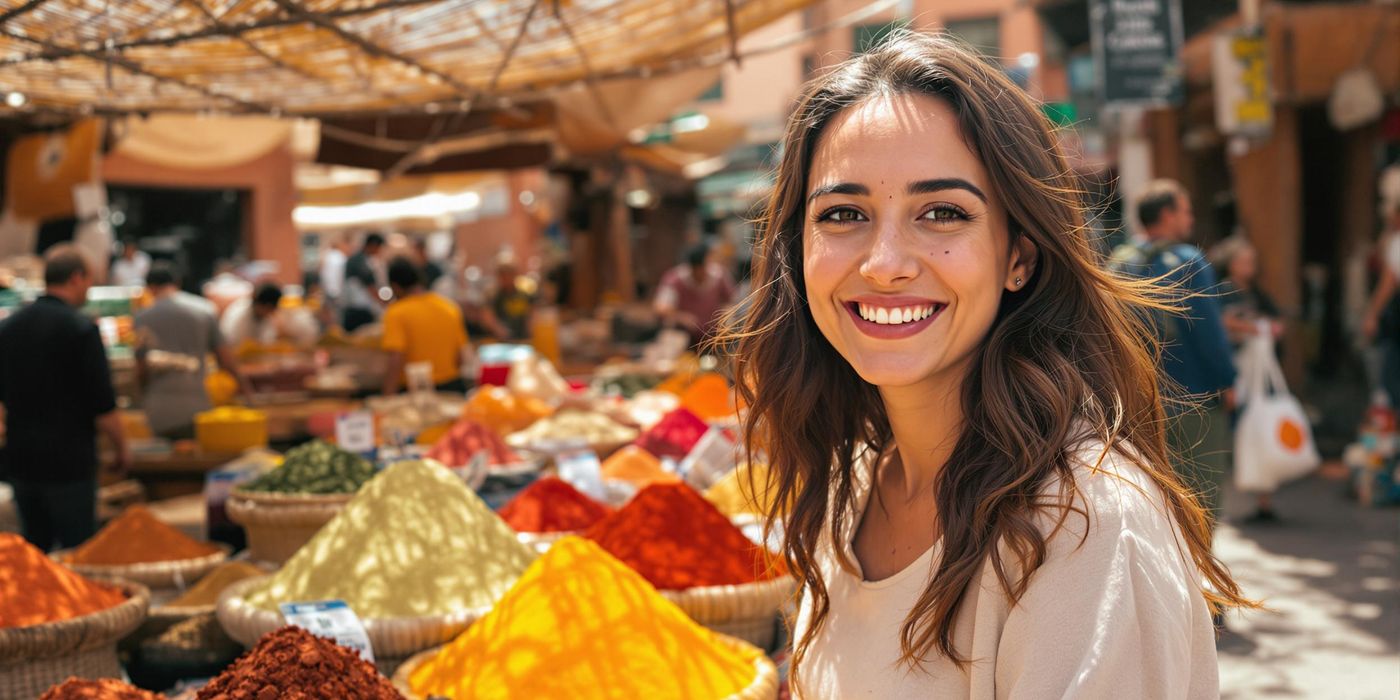
For me, each photo I take is a little time capsule. When I look back at my travel albums, I don't just see places; I relive moments. I remember the scent of spices in a Marrakech market, the sound of gondoliers singing in Venice, the feeling of the cool Irish mist on my face. That's the power of thoughtful travel photography – it's about preserving those personal connections and memories.
Mastering the Basics: Composition and Lighting
Okay, let's get down to the nitty-gritty! You don't need fancy equipment to take great photos, but understanding a few basic principles can make a world of difference. First up: composition.
The rule of thirds is your best friend. Imagine dividing your frame into nine equal parts with two horizontal and two vertical lines. Place your subject at one of the intersections or along one of the lines for a more balanced and engaging composition. It's a simple trick that instantly elevates your photos.
Leading lines are another fantastic tool. Use roads, rivers, fences, or even shadows to guide the viewer's eye through the image and towards your subject. Symmetry can create a sense of order and balance, while framing – using elements like doorways, arches, or tree branches to surround your subject – can add depth and context.
Now, let's talk about lighting. It can make or break a photo! The golden hour (the hour after sunrise and the hour before sunset) is a photographer's dream. The warm, soft light creates beautiful colors and flattering shadows. The blue hour (the period of twilight just before sunrise and after sunset) offers a cool, ethereal glow, perfect for cityscapes.
Don't despair if you're stuck shooting in harsh midday light. Look for shade, use a polarizing filter, or try converting your photos to black and white to minimize the effects of strong shadows. Learning to work with natural light is key. Observe how it changes throughout the day and how it affects the colors and textures of your subject. Understanding natural light can transform a simple snapshot into something magical.
Telling a Story Through Images
This is where the real magic happens! Travel photography isn't just about pretty pictures; it's about visual storytelling. Think about what story you want to tell with your photos. What emotions do you want to evoke? What message do you want to convey?
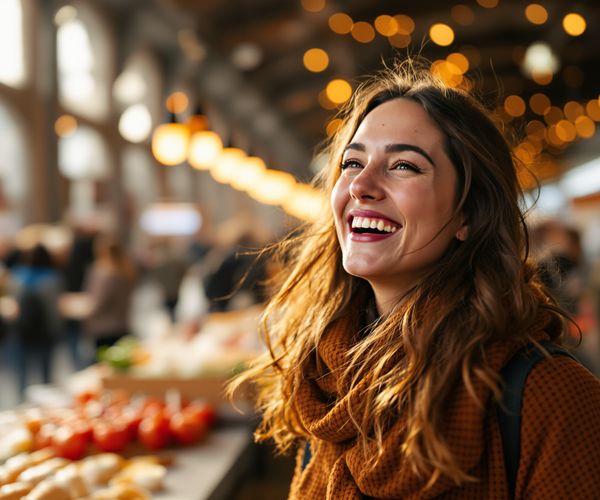
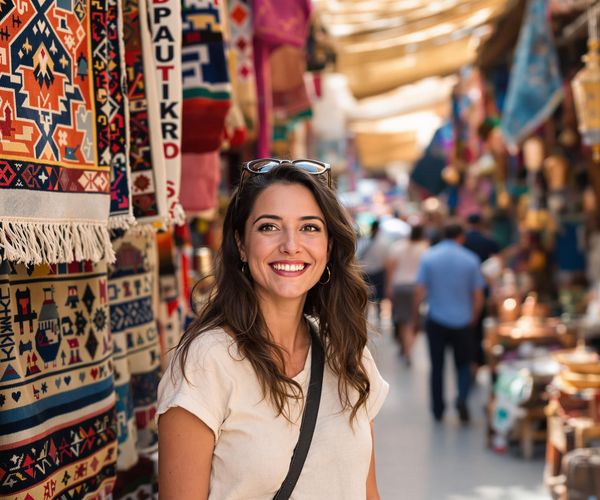
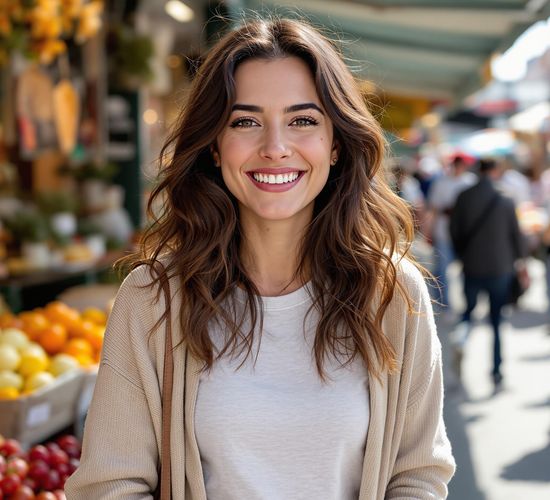
Pay attention to details that evoke the senses. Capture the vibrant colors of a spice market, the intricate textures of a handwoven rug, the tantalizing shapes of exotic fruits. Document the local culture, the people, the history, and the food. Each element contributes to the overall narrative.
Try creating a narrative through a series of photos. Start with a wide shot to establish the scene, then zoom in on specific details. Capture the journey, not just the destination. Show the preparation, the travel, the arrival, and the experiences along the way. A collection of well-chosen images can tell a much richer and more compelling story than a single, isolated shot.
Capturing Authentic Moments: People and Places
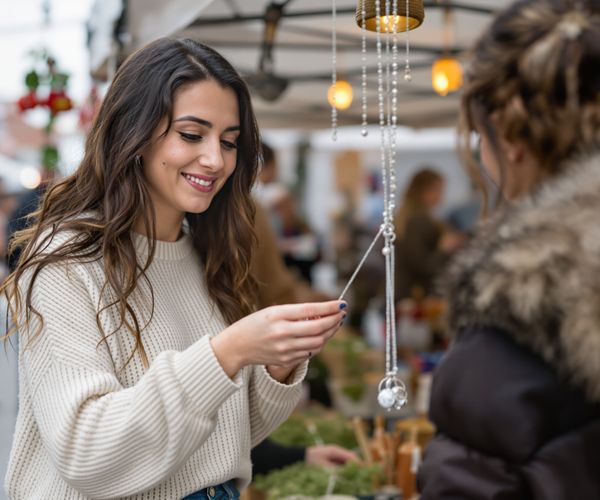
Some of my favorite travel photos are those that capture candid moments of local life. A group of elderly men playing chess in a park, children laughing as they chase pigeons in a square, a street vendor preparing traditional food – these are the moments that truly bring a place to life.
When photographing people, always do so respectfully and ethically. Ask for permission before taking someone's picture, especially in more traditional cultures. Take the time to interact with locals and learn about their stories. A little conversation can go a long way in building trust and capturing more authentic images. It is also important to be aware of local customs and traditions. Some places have restrictions on photography, especially in religious sites or private property.
As for landmarks and tourist attractions, try to photograph them in unique and creative ways. Look for interesting angles, play with perspective, or capture them during different times of the day. Don't just take the same postcard shot that everyone else does. Find your own way to express the beauty and grandeur of these iconic places.
Technical Tips and Tricks
Alright, let's delve into some technical aspects to help you fine-tune your photography skills. First and foremost, familiarize yourself with your camera settings. Understanding aperture, shutter speed, and ISO is crucial for controlling the exposure and depth of field in your photos.
Aperture controls the amount of light entering the lens and affects the depth of field (the area of the image that is in focus). Shutter speed determines how long the camera's sensor is exposed to light, affecting motion blur. ISO measures the sensitivity of the camera's sensor to light. The higher the ISO, the more sensitive the sensor, but also the more noise (grain) in the image.
Choosing the right lens for different situations is also important. A wide-angle lens is great for landscapes and architecture, while a zoom lens is useful for capturing distant subjects or creating a shallow depth of field. Tripods are essential for low-light photography and creating sharp images. They eliminate camera shake and allow you to use longer shutter speeds without blurring the image.
Shooting in RAW format gives you more flexibility in post-processing. RAW files contain all the data captured by the camera's sensor, allowing you to adjust the exposure, white balance, and other settings without sacrificing image quality. There are many editing software options available, such as Adobe Lightroom, Capture One, and Luminar. Experiment with different techniques to enhance your travel photos, but be careful not to overdo it. The goal is to improve the image, not to create something artificial.
Sustainable and Ethical Travel Photography
Finally, let's talk about responsible travel photography. As travelers, we have a responsibility to be mindful of our impact on the environment and local communities.
When photographing wildlife, maintain a safe distance and never disturb their natural habitat. Avoid using flash photography, as it can startle or disorient animals. Respect local customs and traditions when taking photos. Dress modestly when visiting religious sites and ask for permission before photographing people in traditional clothing. Be aware of the potential impact of your photography on developing countries. Avoid perpetuating stereotypes or exploiting vulnerable populations. Instead, focus on capturing the dignity and resilience of the human spirit.
By following these guidelines, you can ensure that your travel photography is not only beautiful but also ethical and sustainable. Remember, we are all ambassadors for our planet. Let's use our cameras to promote understanding, respect, and appreciation for the diverse cultures and natural wonders of our world.
Learn how to take stunning travel photos that tell a story. From composition tips to capturing local life, discover how to elevate your travel photography skills.