
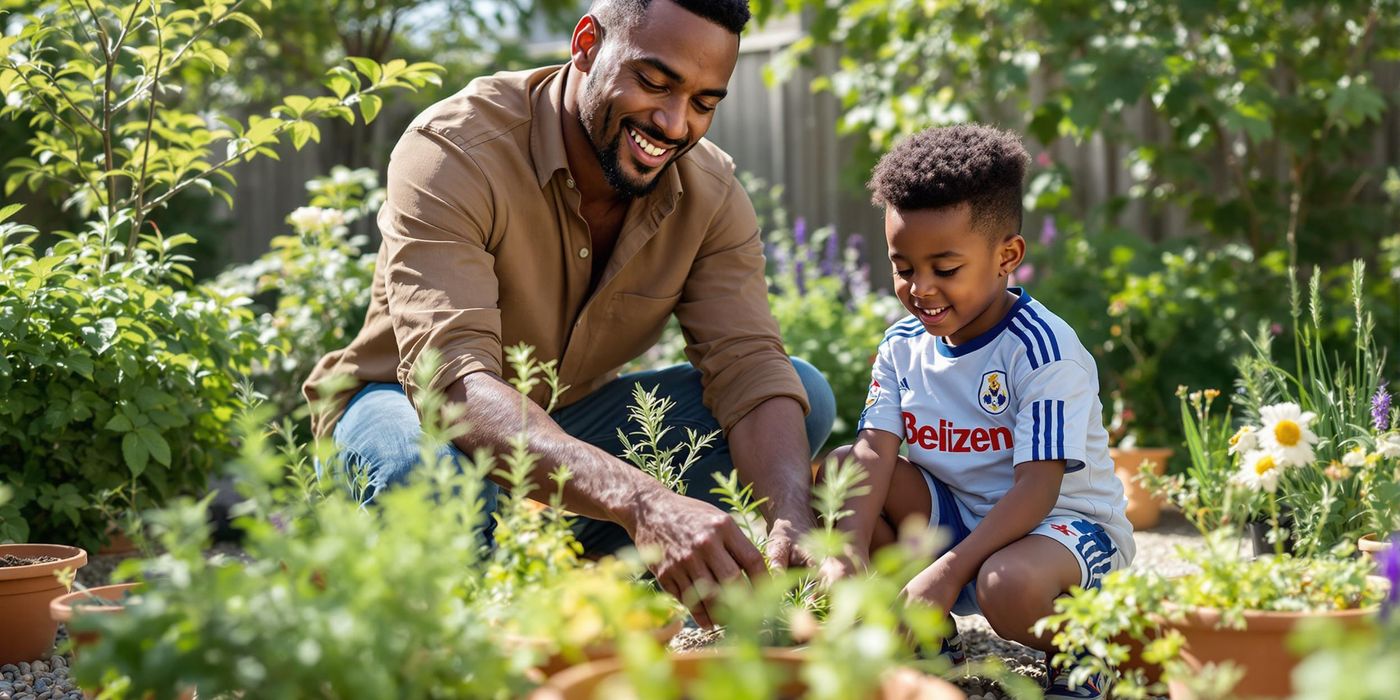
Growing up in Mozambique, I learned to appreciate the simple things – the warmth of the sun, the taste of fresh mangoes, and the magic of watching seeds sprout into life. Now, living in Edmonton, Canada, I’ve found a way to blend my Mozambican roots with gardening styles from around the world, creating a unique and personal oasis.
My Mozambican Roots: A Foundation of Resourcefulness
My childhood in Chibuto, Mozambique, was deeply intertwined with the land. Gardening wasn't just a hobby; it was a way of life. We relied on the resources available to us, adapting to the climate and making the most of what we had. I remember helping my grandmother tend to our small plot, where we grew maize, beans, and sweet potatoes. We used every part of the plant, composting the scraps and using natural fertilizers. These early experiences instilled in me a deep respect for nature and a resourceful approach to gardening. We learned to predict the rains, to understand the soil, and to work with the seasons. The vibrant colors of the capulana fabrics my mother wore seemed to echo in the bright greens and earthy browns of our garden. Even now, I try to carry that spirit of resourcefulness into my Edmonton garden, always looking for ways to reuse and recycle.
One specific technique I remember vividly is how we used dried maize stalks as natural supports for climbing beans. It was a simple, effective, and sustainable solution that required no store-bought materials. The memory of those climbing beans, reaching for the sun with the support of the maize, reminds me of the resilience and ingenuity of Mozambican gardening.
The Allure of English Cottage Gardens: A Burst of Color and Chaos
When I first saw pictures of English cottage gardens, I was captivated by their seemingly random yet harmonious arrangement of plants. The explosion of colors, the mix of flowers and vegetables, and the overall sense of abundance appealed to my sense of adventure. It was a stark contrast to the more structured gardens I was used to, but I loved the idea of creating a space that felt both wild and inviting. In my Edmonton garden, I've tried to recreate some of that cottage garden magic by mixing flowers like roses, lavender, and foxgloves with vegetables like tomatoes and lettuce. The result is a vibrant and dynamic space that attracts bees, butterflies, and plenty of admiring glances.
I particularly enjoy the way English cottage gardens embrace a certain level of “organized chaos.” There's no strict order or symmetry, which allows for a more natural and relaxed feel. I find that this approach encourages experimentation and creativity, as you're not afraid to try new combinations and let plants grow in their own way. The scent of lavender and roses mingling in the air is a constant reminder of the beauty and charm of English cottage gardens.
Mediterranean Magic: Drought-Tolerant Techniques
Living in a climate with hot, dry summers, I've come to appreciate the wisdom of Mediterranean gardening practices. The focus on drought-tolerant plants and water-wise techniques is not only practical but also environmentally responsible. I've adapted many of these techniques to my Edmonton garden, using terracotta pots, gravel mulch, and drip irrigation to conserve water. Plants like rosemary, thyme, and oregano thrive in these conditions, adding a touch of Mediterranean flavor to my backyard. The silvery foliage and fragrant aromas of these herbs evoke images of sun-drenched hillsides and azure coastlines.
One of the key lessons I've learned from Mediterranean gardening is the importance of choosing the right plants for your climate. By selecting species that are naturally adapted to dry conditions, you can minimize your water consumption and create a sustainable garden that thrives even during the hottest months. I also find that using terracotta pots helps to regulate soil temperature and prevent waterlogging, which is especially important in a climate like Edmonton where we can experience sudden temperature fluctuations.
Japanese Zen Gardens: Finding Peace in Simplicity
The minimalist approach of Japanese Zen gardens has always fascinated me. The use of rocks, gravel, moss, and carefully pruned plants creates a sense of peace and tranquility that is both calming and inspiring. While I don't have a full-fledged Zen garden in my Edmonton backyard, I've incorporated elements of this style into my overall design. I have a small area with raked gravel, strategically placed rocks, and a Japanese maple that provides a focal point. The sound of wind chimes adds to the serene atmosphere. It's a place where I can escape the stresses of daily life and reconnect with nature.
I've also learned to appreciate the importance of negative space in Zen gardens. The empty areas are just as important as the planted ones, allowing the eye to rest and the mind to wander. I try to maintain a sense of balance and harmony in my garden by carefully considering the placement of each element and by keeping the overall design simple and uncluttered. The gentle rustling of bamboo leaves in the wind is a constant reminder of the beauty and tranquility of Japanese Zen gardens.
Blending Cultures: Creating a Global Garden in Edmonton
My garden is a reflection of my life – a blend of different cultures and experiences. I combine Mozambican resourcefulness, English cottage garden charm, Mediterranean drought-tolerance, and Japanese Zen simplicity to create a unique and personal space. Growing plants from different climates and regions in Edmonton can be challenging, but it's also incredibly rewarding. I've learned to adapt my techniques and experiment with different combinations to find what works best. For example, I use terracotta pots to grow rosemary and thyme, but I also incorporate Mozambican-style composting methods to enrich the soil. The result is a vibrant and diverse garden that tells a story of my journey around the world.
One of the biggest challenges is adapting plants that are used to warmer climates to the colder Edmonton winters. I've found that using cold frames and greenhouses can help to extend the growing season and protect sensitive plants from frost. I also try to choose varieties that are known to be more cold-hardy. The key is to be patient, observant, and willing to experiment. Sometimes things work out, and sometimes they don't, but that's all part of the fun.
Tips for Combining Cultural Elements in Your Garden
If you're interested in incorporating global gardening ideas into your own space, here are a few tips to get you started:
- Research plants and techniques from different cultures. Learn about their growing conditions, their cultural significance, and their practical uses.
- Adapt these ideas to your local climate and resources. Don't be afraid to experiment and modify techniques to suit your specific needs.
- Start small and experiment with different combinations. You don't have to overhaul your entire garden at once. Begin with a small area or a single plant and see how it goes.
- Understand your local hardiness zone. This will help you choose plants that are likely to thrive in your area.
- Visit local botanical gardens and nurseries. These are great resources for learning about different plants and gardening techniques.
Gardening is a journey of discovery, a way to connect with nature and express your creativity. By embracing global influences, you can create a garden that is not only beautiful but also a reflection of your own unique story.
Explore how different cultures approach gardening and how you can incorporate these ideas at home.