The Importance of Cultural Heritage
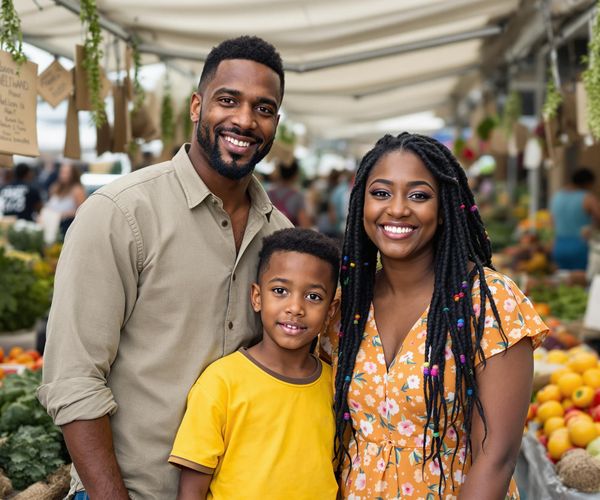
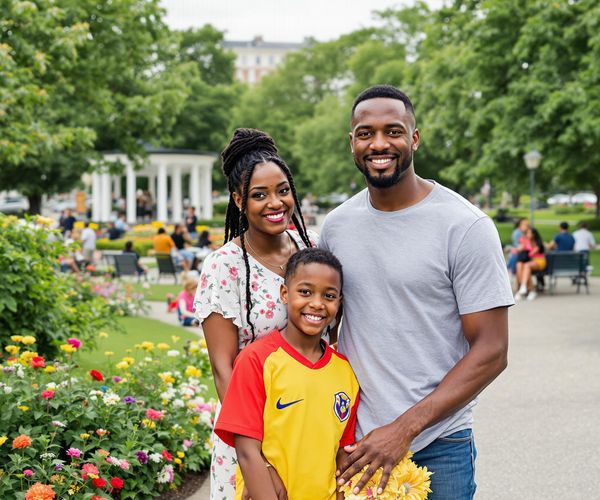
Cultural heritage is more than just traditions and customs; it’s the foundation of a child’s identity. Understanding where you come from shapes who you are and the values you hold dear. For Nelson and Sheila, my children, knowing about Mozambique—its history, its people, its struggles, and its triumphs—helps them understand themselves better. Living in Canada, it’s easy to get caught up in the local culture, but we strive to balance that with a strong connection to our Mozambican roots.
I remember when we first moved to Edmonton. It was a huge change, and I worried about my kids losing touch with their heritage. That's why Fatima, my wife, and I made a conscious effort to keep our culture alive at home, speaking Portuguese, cooking Mozambican food, and sharing stories of our childhoods. But we knew that wasn't enough. We wanted them to experience Mozambique firsthand, to see the vibrant colors, hear the lively music, and feel the warmth of the people.
Making Travel a Cultural Learning Opportunity
Travel shouldn't be just about ticking off famous landmarks; it should be an opportunity for cultural immersion. Before any trip, we research the destination for its cultural significance. We look for historical sites, museums, and local events that will give us a deeper understanding of the place and its people. And, most importantly, we involve the kids in the planning process.
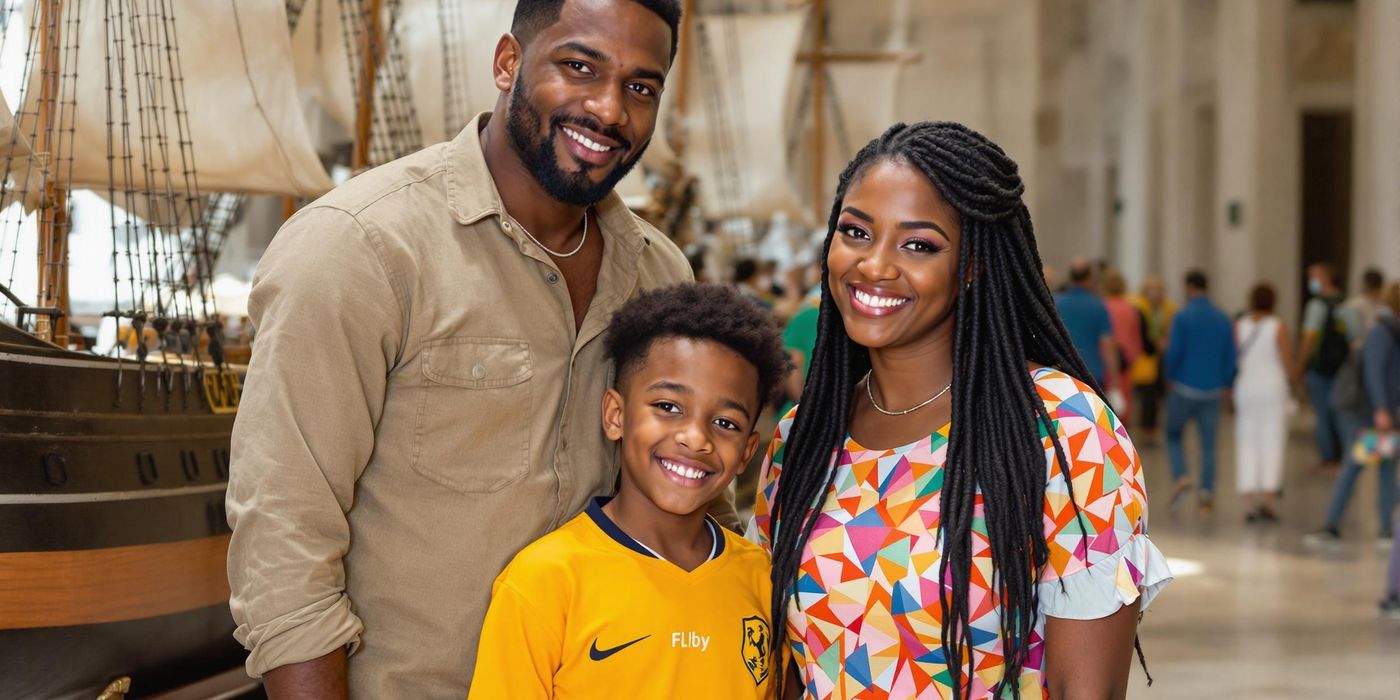
For example, when we planned a trip to Portugal, we made sure to include Lisbon's Maritime Museum, which tells the story of Portugal's exploration and connection to Mozambique. We also watched documentaries about Portuguese history and culture, so the kids had some context before we arrived. Involving them in the planning sparked their curiosity and made them more engaged during the trip.
Practical Tips for Cultural Immersion During Travel
Once you're on your trip, there are many ways to immerse yourselves in the local culture. Visiting historical sites, museums, and cultural centers is a great start. But don't stop there. Attend local festivals and events, try the local cuisine, and learn a few basic phrases in the local language. Even a simple “Olá” (hello) or “Obrigado” (thank you) can go a long way in showing respect and fostering connections.
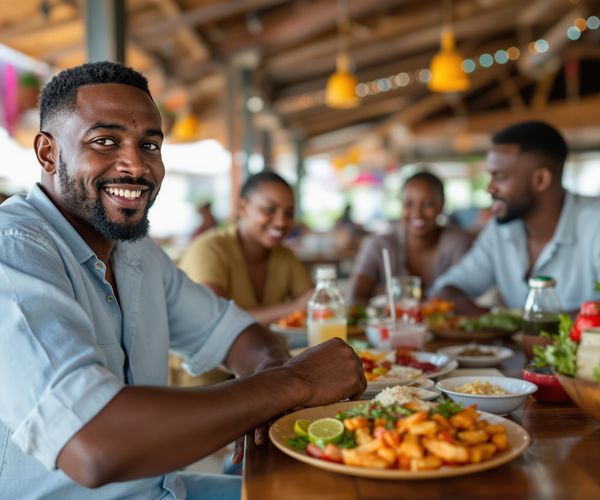
When we travel, we also try to integrate Mozambican traditions into our experiences. We might cook a familiar dish in our rental apartment, like Matapa (cassava leaves cooked with peanuts and seafood), or tell stories from Mozambican folklore. During a trip to Brazil, we found similarities between Brazilian and Mozambican music and dance, which sparked interesting conversations about the shared history and cultural connections between the two countries.
Engaging Activities to Connect with Cultural Heritage
Storytelling is a powerful tool for passing down family history and traditions. Share stories of your ancestors, your childhood, and the places that are important to your family. Encourage your children to ask questions and share their own stories as well. Creating a travel journal or scrapbook is another great way to document cultural experiences. Have your children write about what they learned, draw pictures of the places they visited, and collect souvenirs to remember their trip.
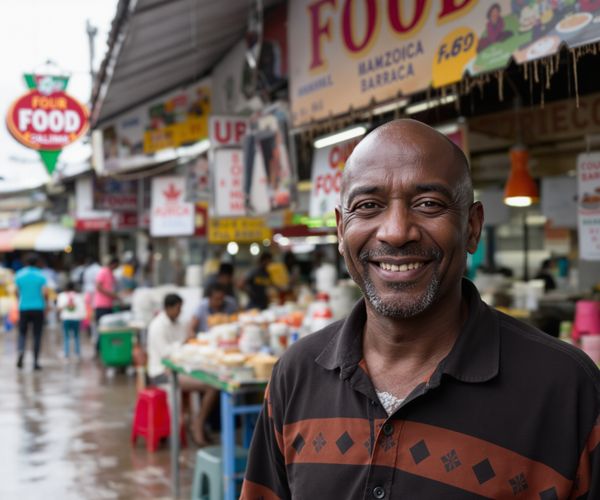
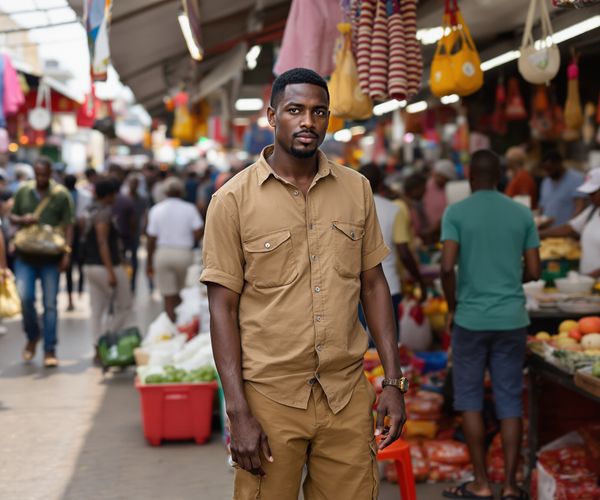
Connecting with local communities and artisans can also be incredibly rewarding. Visit local markets, attend workshops, and support local businesses. During a trip to Mozambique, we spent a day with a local artisan who taught us how to carve wooden sculptures. It was a hands-on experience that gave us a deeper appreciation for the art and culture of the region. We also use music, dance, and traditional games to engage Nelson and Sheila with their Mozambican heritage. We listen to Marrabenta music, dance to the rhythms of Xigubo, and play traditional games like Nsolo.
Language Immersion: A Key to Cultural Understanding
Learning a new language or practicing your family's native language is a key to cultural understanding. Even a basic understanding of the language can help you connect with locals and gain a deeper appreciation for their culture. There are many language learning apps, books, and local classes available to help you get started. Encourage your children to use the language during your travels, even if it's just to order food or ask for directions.
I’ve made it a point to teach my children Portuguese, and I encourage them to use it whenever we travel to Mozambique or other Portuguese-speaking countries. It’s amazing to see how their faces light up when they can communicate with locals in their own language. It fosters a deeper connection and opens doors to new experiences.
Balancing Modern Travel with Cultural Education
It can be challenging to balance the conveniences of modern travel with authentic cultural experiences. It’s easy to get caught up in the tourist traps and miss out on the real culture of a place. That's why it's important to be mindful of your choices and to seek out opportunities for cultural immersion. Incorporate cultural education into your everyday travel activities. Visit local markets instead of supermarkets, eat at family-owned restaurants instead of fast-food chains, and take public transportation instead of taxis.
Most importantly, be respectful and open-minded towards different cultures. Remember that you are a guest in their country, and it's important to respect their customs and traditions. I always try to ensure that Nelson and Sheila appreciate their Mozambican heritage while embracing their Canadian identity. It's about finding a balance between the two and understanding that they are both integral parts of who they are.
Traveling with kids and keeping cultural heritage alive is not always easy, but it’s incredibly rewarding. It's an investment in their future, helping them grow into well-rounded, culturally aware individuals who appreciate the richness and diversity of the world. Khanimambo (Thank you).
Explore ways to keep your cultural heritage alive while traveling with children. Learn from Joao's experience sharing Mozambican culture and discover tips for engaging kids in cultural experiences.