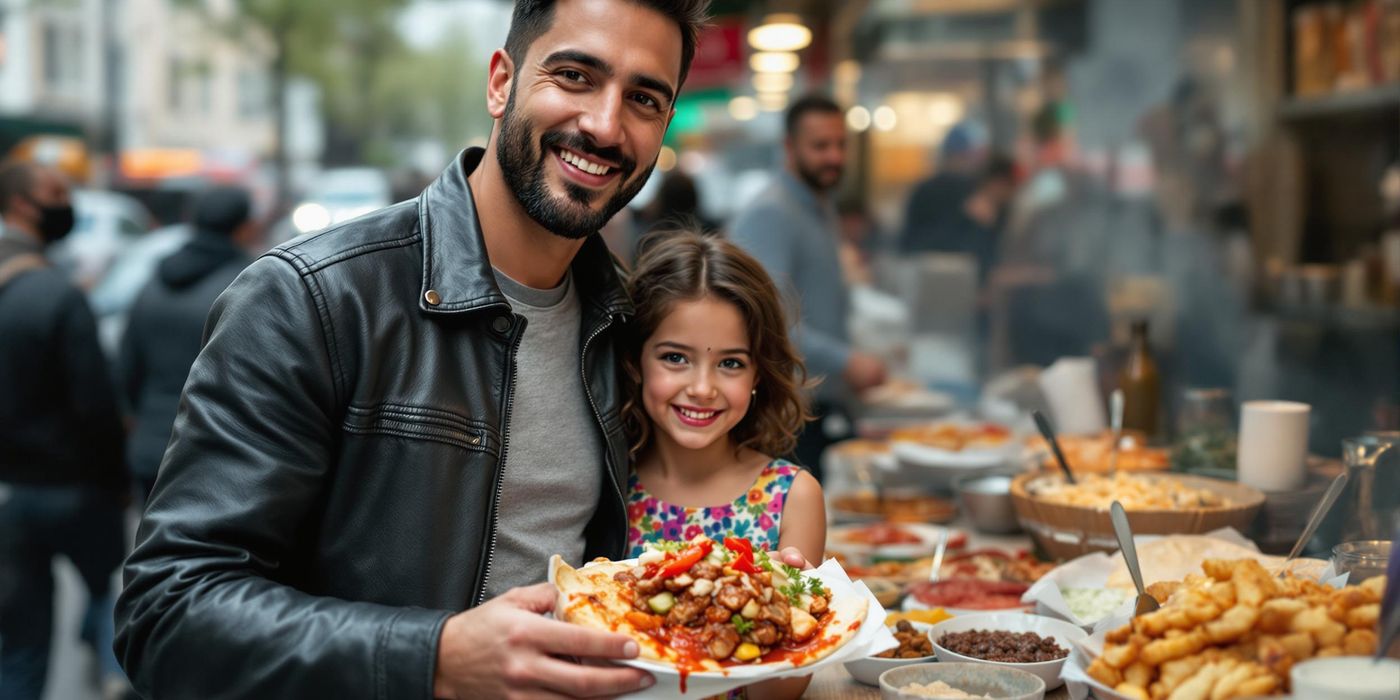
The Essence of Local Cuisine
Food is an integral part of any culture. It tells a story of the land, the people, and their history. Think about it: a simple pasta dish in Italy speaks volumes about the country's agricultural heritage and family traditions. Similarly, the spices used in Indian cuisine reflect centuries of trade and cultural exchange. When you sit down to eat a local dish, you're not just filling your stomach; you're connecting with generations of people who have shaped that culinary tradition.
I remember traveling through Mexico with my family and stumbling upon a small, family-run restaurant in Oaxaca. The mole negro, a complex sauce made with dozens of ingredients, was unlike anything I had ever tasted. It wasn't just the flavors that impressed me; it was the story behind it. The family had been making the same mole for generations, each adding their own unique touch. That meal was more than just dinner; it was a cultural lesson and a connection to the heart of Oaxaca.
Finding Hidden Culinary Gems
So, how do you find these authentic food experiences? It's all about venturing off the beaten path. Forget the tourist traps and chain restaurants. Instead, seek out local markets, street food vendors, and family-owned restaurants that are frequented by locals.
Local markets are a treasure trove of culinary delights. They offer a glimpse into the ingredients that are essential to the local cuisine. Chat with the vendors, ask them about their products, and don't be afraid to sample something new. Street food is another fantastic way to experience local flavors. Look for vendors with long lines of locals – that's usually a good sign that the food is delicious and authentic. And finally, seek out family-owned restaurants. These establishments often serve traditional dishes that have been passed down through generations.
How do you identify genuine local spots? Trust your senses! Look for places that are bustling with locals, not tourists. Pay attention to the aromas wafting from the kitchen – are they enticing and authentic? And don't be afraid to ask for recommendations from your hotel staff or local residents.
Berlin's Culinary Scene: A Personal Exploration
Living in Berlin has been a culinary adventure in itself. The city's food scene is a reflection of its diverse immigrant history and cultural influences. From Turkish Döner to traditional German dishes, and a myriad of international cuisines, Berlin offers something for every palate.
One of my favorite local haunts is a small Turkish Imbiss (snack shop) near my apartment. The Döner is made with fresh ingredients and served with a generous helping of homemade sauces. It's the perfect quick and delicious meal. Another gem is a traditional German restaurant in Mitte that serves hearty dishes like Schweinshaxe (pork knuckle) and Kartoffelsalat (potato salad). These dishes are a taste of Berlin's culinary heritage.
Berlin's food scene is a testament to the city's open and welcoming spirit. Immigrants from all over the world have brought their culinary traditions to Berlin, creating a vibrant and diverse food landscape. Exploring this landscape has been one of the most rewarding aspects of living in this amazing city.
Navigating Local Markets and Street Food
Navigating local markets can be a bit overwhelming at first, but with a few tips, you can make the most of the experience. First, be prepared to haggle! Bargaining is a common practice in many markets, so don't be afraid to negotiate the price. Second, be respectful of the vendors. They are proud of their products and appreciate genuine interest. Third, be adventurous! Try new things and don't be afraid to step outside your comfort zone.
Street food dining also requires a bit of etiquette. Be aware of local customs and hygiene practices. Observe how the locals are eating and follow their lead. Make sure the food is cooked thoroughly and served hot. And always wash your hands before eating!
One of my most memorable market experiences was in Marrakech, Morocco. The sights, sounds, and smells of the market were intoxicating. I sampled exotic fruits, spices, and pastries. I even tried a traditional tagine cooked over an open fire. It was an unforgettable culinary adventure!
Supporting Local and Sustainable Food Practices
When you eat like a local, you're not just enjoying delicious food; you're also supporting local farmers, producers, and family-owned businesses. This helps to promote sustainable tourism and contribute to the local economy.
Eating locally sourced ingredients has numerous benefits. It reduces the carbon footprint associated with transporting food over long distances. It supports local agriculture and preserves traditional farming practices. And it ensures that you're eating fresh, seasonal produce.
Berlin is home to several sustainable food initiatives. There are numerous farmers' markets where you can buy directly from local producers. There are also community gardens where residents can grow their own food. And there are restaurants that are committed to using locally sourced and sustainable ingredients. Supporting these initiatives is a great way to eat like a local and contribute to a more sustainable future.
Engaging with Locals Through Food
Food is a universal language that can bridge cultural divides. Engaging with locals through food is a fantastic way to learn about their culture and build meaningful connections.
Ask locals for food recommendations. They know the best hidden gems and are usually happy to share their favorite spots. Participate in cooking classes or food tours. These experiences offer a hands-on way to learn about local cuisine and culinary traditions. And learn a few basic phrases in the local language. Even a simple thank you can go a long way in facilitating interactions with vendors and restaurant staff.
I've had countless memorable experiences connecting with locals through food. I've shared meals with families in their homes, learned how to make traditional dishes from local chefs, and even participated in a traditional tea ceremony in Japan. These experiences have enriched my travels and broadened my understanding of different cultures.
Family-Friendly Culinary Adventures
Traveling with kids doesn't mean sacrificing your culinary adventures. With a few strategies, you can find kid-friendly restaurants and food experiences that everyone will enjoy.
Look for restaurants with diverse menus that offer both familiar and adventurous options. Don't be afraid to ask for modifications to dishes to suit your children's tastes. Introduce your children to new flavors and cuisines gradually. Start with mild dishes and gradually introduce more complex flavors. And make mealtime fun! Turn it into a game by asking your children to guess the ingredients or describe the flavors.
My daughters, Lena and Sofia, have been my culinary companions on many adventures. In Berlin, they love trying different types of bread and pastries at the local bakery. In Italy, they devoured pizza and pasta. And in Thailand, they even tried (and enjoyed!) mango sticky rice. These experiences have broadened their palates and instilled in them a love of food and culture.
Explore the world through its cuisine! Discover how to find authentic local dining experiences, connect with cultures, and create lasting memories through food.