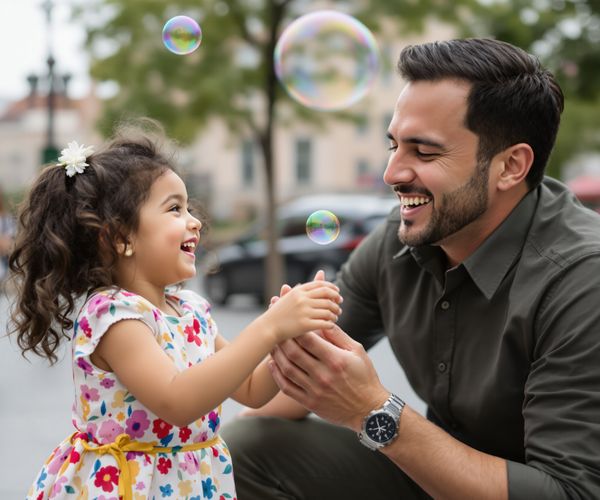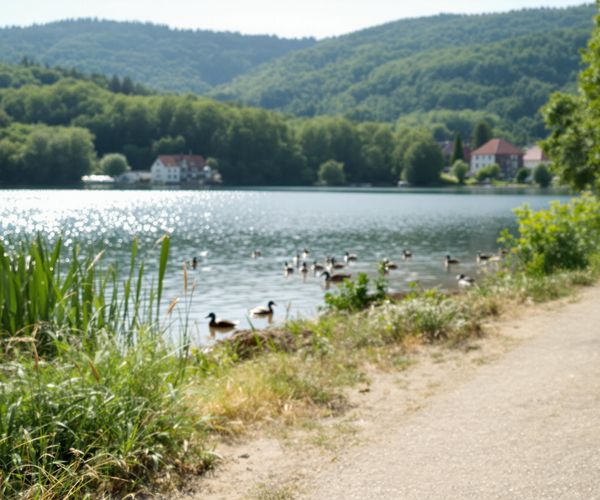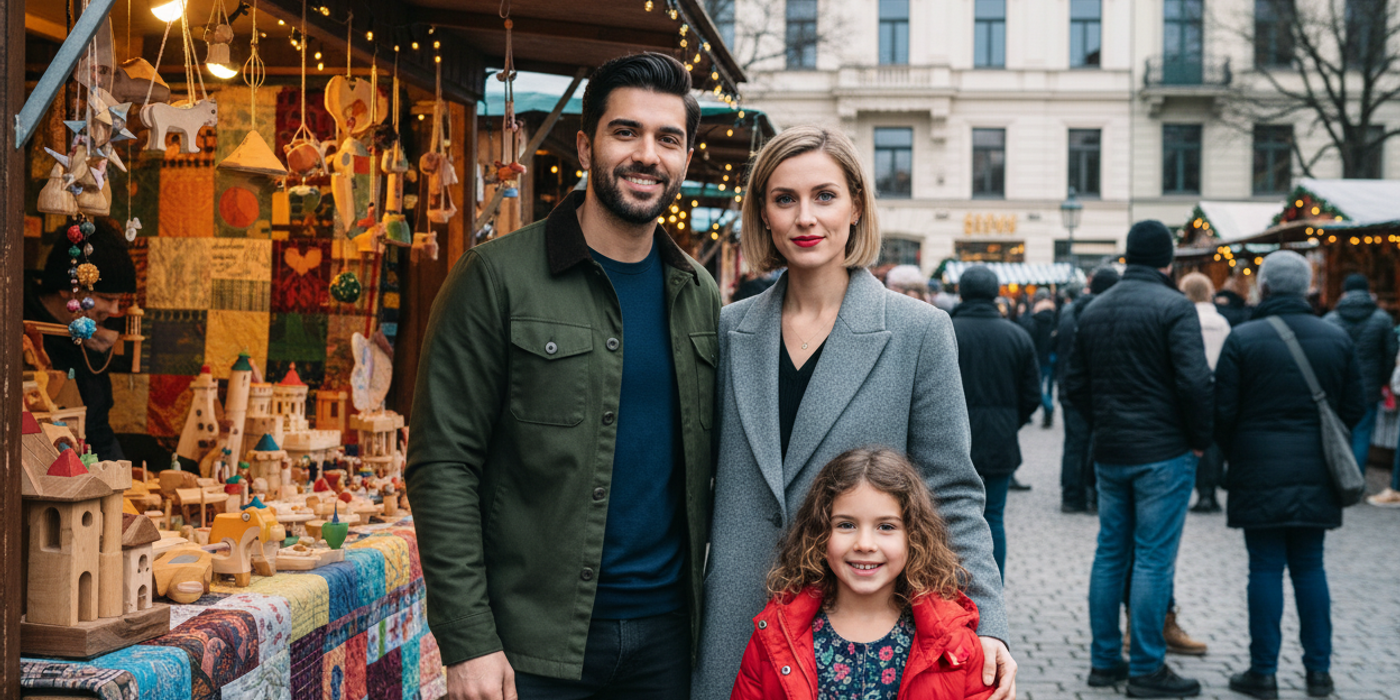
Hey everyone, Jose here! Settled in Berlin but with a heart that still beats for the open road. Lately, Lena, Sofia, and I have been talking a lot about how we travel. We realized we're not just ticking off destinations; we're trying to really connect with the places we visit. That's led us to embrace the concept of slow travel, and it's been a game-changer. Let's dive into what slow travel is all about and why it might be exactly what you're looking for in your next adventure.
What is Slow Travel?
Slow travel, at its core, is about intentionality. It's a conscious decision to move away from the whirlwind of conventional tourism and embrace a more deliberate pace. Instead of rushing to see as many sights as possible, you focus on deeply experiencing a smaller number of destinations. It's about savoring the journey, not just reaching the destination.
Think of it as the antithesis of the typical tourist experience. Instead of hopping from city to city, ticking off landmarks, slow travel encourages you to linger. To truly immerse yourself in the local culture, environment, and rhythm of life. It's not just about seeing; it's about experiencing, understanding, and connecting.
There's a growing movement towards slow travel, and for good reason. People are realizing that travel doesn't have to be a frantic race. They're seeking more meaningful and sustainable ways to explore the world. It's about quality over quantity, depth over breadth.
The benefits of slow travel are numerous, both for the traveler and the environment. For the traveler, it offers a chance to de-stress, recharge, and gain a deeper understanding of the world and themselves. Environmentally, it promotes sustainability by reducing your carbon footprint and supporting local economies.
The Benefits of Immersing Yourself in Local Culture
One of the most rewarding aspects of slow travel is the opportunity to immerse yourself in the local culture. When you slow down, you open yourself up to experiences that you would otherwise miss. This deeper cultural understanding leads to a greater appreciation for the diversity of human experience.
You also create opportunities for meaningful connections with locals. When you're not rushing from one place to another, you have more time to interact with the people who call that place home. These interactions can be incredibly enriching, offering insights into their lives, customs, and perspectives.
Learning about local customs, traditions, and history becomes a much more organic process when you're traveling slowly. Instead of just reading about it in a guidebook, you can witness it firsthand, participate in it, and learn from the people who live it every day.
And let's not forget the food! Experiencing authentic cuisine and local products is a huge part of cultural immersion. When you travel slowly, you have the time to explore local markets, try new dishes, and learn about the culinary traditions of the region.
Perhaps most importantly, slow travel supports local economies and sustainable practices. By choosing locally owned businesses, eating at family-run restaurants, and buying handmade products, you're directly contributing to the well-being of the community.
Practical Tips for Planning a Slow Travel Trip
Planning a slow travel trip requires a different mindset than planning a conventional vacation. It's about prioritizing experiences over destinations, and flexibility over rigid schedules.
Start by choosing destinations that align with slow travel values. Look for places that offer opportunities for cultural immersion, outdoor activities, and sustainable tourism. Think rural villages, national parks, and regions with a strong sense of local identity.
Plan for longer stays in fewer locations. Instead of trying to see everything, focus on getting to know a few places really well. This will give you time to explore at a relaxed pace and truly immerse yourself in the local culture.
When it comes to accommodations, opt for options that support local communities. Guesthouses, family-run hotels, and homestays are all great choices. These types of accommodations offer a more authentic experience and help to support the local economy.
Utilize local transportation options whenever possible. Trains, buses, and bicycles are all great ways to get around and see the countryside at a slower pace. Plus, they're often more environmentally friendly than flying or driving.
Learning basic phrases in the local language can go a long way in building connections with locals. Even just knowing how to say hello, thank you, and please can make a big difference in your interactions.
Packing light and sustainably is also important. Choose versatile clothing items that can be mixed and matched, and opt for eco-friendly toiletries and personal care products.
Finally, create a flexible itinerary that allows for spontaneity. Leave room for unexpected detours, impromptu adventures, and unplanned moments of connection. The best travel experiences are often the ones that you don't see coming.
Embracing Spontaneity and Unplanned Moments
This is where the real magic of slow travel happens. Letting go of rigid schedules and embracing the unknown. It's about trusting your instincts, following your curiosity, and being open to whatever comes your way.
Some of my favorite travel memories have come from unexpected detours and unplanned adventures. Like the time we stumbled upon a hidden waterfall while hiking in Costa Rica, or the time we got invited to a local family's dinner in Italy.
These moments are impossible to plan, but they're often the most memorable and enriching. They teach you to be present, adaptable, and open to new experiences and perspectives.
So, how do you find these hidden gems and local favorites? Talk to locals, ask for recommendations, and be willing to stray off the beaten path. Get lost in the backstreets, explore local markets, and strike up conversations with people you meet along the way.
Examples of Slow Travel Experiences
Need some inspiration? Here are a few examples of slow travel experiences that I've either done myself or have on my bucket list:
- Staying in a rural village in Tuscany and learning about traditional farming methods.
- Cycling through the Netherlands and exploring its charming towns and canals.
- Volunteering on an organic farm in Costa Rica and learning about sustainable agriculture.
- Taking a cooking class in Marrakech and learning to prepare traditional Moroccan dishes.
- Spending a month in Kyoto, Japan, immersing oneself in the local culture and traditions.
These are just a few examples, of course. The possibilities are endless. The key is to choose experiences that resonate with your interests and values, and that allow you to connect with the local culture and environment in a meaningful way.
Why Slow Travel Matters Now More Than Ever
In today's fast-paced, globalized world, slow travel is more important than ever. Mass tourism is having a devastating impact on the environment and local communities. Overcrowding, pollution, and the exploitation of local resources are just a few of the negative consequences.
Slow travel offers a more sustainable and responsible way to explore the world. By traveling at a slower pace, supporting local businesses, and respecting the local culture and environment, you can minimize your impact and contribute to the well-being of the communities you visit.
But slow travel is not just about being responsible; it's also about personal growth and well-being. It's a chance to disconnect from the stresses of modern life, reconnect with yourself and the world around you, and gain a deeper understanding of what it means to be human.
In a world that's becoming increasingly homogenized, slow travel offers a way to preserve cultural diversity and promote cross-cultural understanding. It's a reminder that there's more to the world than what you see on TV or read in the news.
So, the next time you're planning a trip, consider embracing the art of slow travel. You might be surprised at what you discover.
Explore the concept of slow travel, focusing on the benefits of taking your time to immerse in local cultures and environments. Learn practical tips and discover why slow travel matters now more than ever.