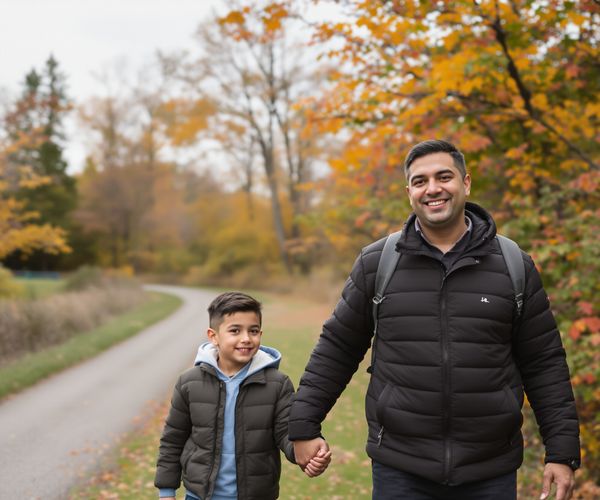
As a historical building restoration consultant with roots in the vibrant, history-soaked city of Ouro Preto, Brazil, I've always found travel to be more than just seeing new places. It's about stepping back in time, connecting with the stories etched into the very stones beneath our feet. My journeys, often shared with my wife Isabela and our son Mateus, are driven by a desire to understand the past and how it shapes our present. Here are some tips I've gathered over the years for fellow history enthusiasts looking to make their travels truly meaningful.
The Allure of Historical Travel
There's a unique enrichment that comes from exploring historical sites. It's not just about seeing old buildings or monuments; it's about understanding the lives of the people who lived there, the events that shaped their world, and the legacy they left behind. For me, growing up in Ouro Preto, a UNESCO World Heritage site, instilled a deep appreciation for history. The Baroque architecture, the cobblestone streets, the stories whispered in every corner – it all contributed to a sense of connection to the past. Similarly, living now in Kingston, Canada, a city brimming with its own rich history, offers daily opportunities to explore and learn.
One of my most memorable travel experiences was a visit to a remote village in the Andes. The village had been inhabited for centuries, and the locals had preserved their traditions and customs in remarkable ways. By spending time with them, I learned about their history, their beliefs, and their way of life. It was an incredibly enriching experience that deepened my understanding of human history and culture.
Understanding a place's past is crucial to appreciating its culture and identity. It provides context for the present and helps us understand why things are the way they are. Whether it's exploring the legacy of slavery in Kingston or marveling at the architectural wonders of Ouro Preto, historical context adds depth and meaning to our travels.
Pre-Trip Research: Unearthing the Stories Before You Go
Pre-trip research is essential for a truly immersive historical travel experience. It allows you to go beyond the surface level and delve into the rich stories that lie beneath. I can't stress enough how much a little preparation can amplify your appreciation for a destination.
Start with readily available resources like local libraries, historical societies, and online archives. Academic journals can offer in-depth analysis, while a quick skim of Wikipedia can provide a general overview. Don't underestimate the power of old guidebooks either; sometimes, they contain details that have been lost over time.
As a historical building restoration consultant, I often research the history of buildings before starting a project. I look for old photographs, architectural plans, and historical documents that can help me understand the building's original design and construction. This approach can easily be adapted for general travel. Before visiting a historical site, try to find old maps, photographs, and descriptions of the site. This will help you visualize what the site looked like in the past and understand how it has changed over time.
Connecting with the Past: Engaging with Local Historians and Tours
While books and online resources are valuable, nothing beats connecting with local historians, guides, and community members for unique perspectives. They often hold knowledge that isn't found in textbooks, offering insights that can truly bring history to life.
Seek out local history events, visit historical societies, or contact local universities. Many universities have history departments that are actively involved in researching and preserving local history. These institutions can be great resources for finding local experts and learning about upcoming events.
Guided tours led by local historians are invaluable. Their passion for the subject is contagious, and they can provide insights and anecdotes that you won't find anywhere else. Look for tours that focus on specific aspects of history, such as architectural history or social history.
I recall a trip to Lisbon where a local historian showed us hidden courtyards and shared stories of the city's maritime past that completely transformed my understanding of the place. It was a reminder that history is not just about dates and facts; it's about people and their stories.
Immersive Experiences: Beyond the Tourist Traps
Venture beyond the typical tourist spots to find truly immersive experiences. While popular attractions are worth seeing, the real magic often lies in the hidden gems and lesser-known sites.
Visit local museums and heritage sites that focus on specific aspects of the region's history. Attend cultural festivals and events that celebrate local traditions and customs. Explore historical walking tours that take you off the beaten path and into the heart of the community.
During a trip to Quebec City, we stumbled upon a small, family-run museum dedicated to the history of shipbuilding in the region. The museum was filled with artifacts and stories that brought the city's maritime past to life. It was an unexpected and unforgettable experience.
When visiting historical sites, it's essential to be mindful of your impact. Respect the site, follow the rules, and be considerate of other visitors. Support local businesses and initiatives that are working to preserve and promote the region's history and culture. Responsible tourism ensures that these sites will be enjoyed by future generations.
Documenting Your Journey: Capturing History Through Photography and Notes
Documenting your historical travels through photography and note-taking is a wonderful way to preserve your memories and share your experiences with others. It also allows you to reflect on your journey and deepen your understanding of the places you've visited.
Capture overall views of the site, as well as close-ups of artifacts and unique details. Pay attention to the lighting and composition to create visually appealing images. Don't be afraid to experiment with different angles and perspectives.
Be respectful of other visitors and site policies when taking photos. Avoid using flash photography in areas where it is prohibited, and be mindful of blocking other people's views. Always ask for permission before taking photos of people.
Back up your photos and organize your notes to preserve your experience. Create a system that works for you, whether it's using a digital photo album or a handwritten journal. Add captions and descriptions to your photos to provide context and tell the story of your travels.
Tips for history enthusiasts on exploring historical sites, researching, engaging with local historians, immersive experiences, and documenting your journey.