The Essence of Cultural Photography
Cultural photography, at its heart, is about capturing the spirit and traditions of a place. It's about documenting the everyday lives of people, the rituals they practice, and the stories they tell. It's about going beyond the surface and delving into what makes a culture unique.
Why does cultural photography matter? It's a powerful tool for preserving memories, both for ourselves and for future generations. It allows us to share our experiences with others, fostering understanding and appreciation for different ways of life. Through my travels, I've seen firsthand how photography can bridge cultural gaps and create meaningful connections.
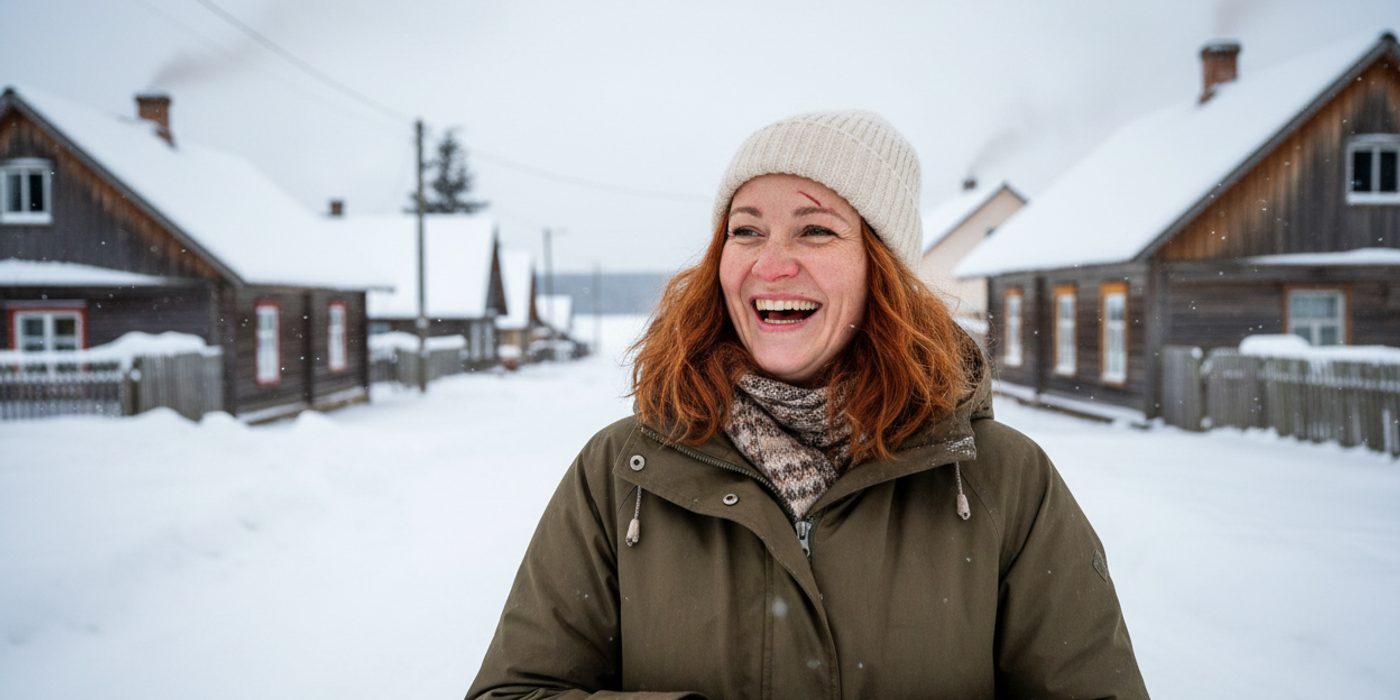
My own journey into cultural photography began somewhat serendipitously. I was on a trip to a small village in Estonia, my birth country, when I realized that I wasn't just seeing the sights; I was experiencing a way of life that was rapidly changing. I felt compelled to document it, to capture the faces of the people, the textures of the landscape, and the essence of their traditions. From that moment on, photography became an integral part of my travels.
Before you even pack your camera, it's crucial to research your destination's culture. Understand their customs, traditions, and values. This knowledge will not only help you take more meaningful photos but also ensure that you're being respectful of the local community.
Mastering the Technical Aspects
While the artistic and ethical considerations are paramount, mastering the technical aspects of photography is essential for capturing high-quality images that truly reflect the beauty of a culture.
Light is your best friend in photography. Pay attention to how natural light affects your subject. Golden hour (the hour after sunrise and the hour before sunset) often provides the most flattering light, but don't be afraid to experiment with different times of day. Overcast days can also be ideal for cultural photography, as they provide soft, even lighting that minimizes harsh shadows.
Composition is key to creating visually appealing photos. The rule of thirds is a classic technique that involves dividing your frame into nine equal parts and placing your subject along those lines or at the intersections. Leading lines can draw the viewer's eye into the photo, while symmetry and framing can create a sense of balance and harmony.
You don't need the most expensive gear to take great cultural photos. A decent camera with a versatile lens is a good starting point. Consider bringing a wide-angle lens for capturing landscapes and a telephoto lens for getting close-up shots of your subjects. Essential accessories include extra batteries, memory cards, and a sturdy tripod.
Understanding your camera settings is crucial. Aperture controls the depth of field, ISO determines the sensitivity to light, and shutter speed affects the motion blur. Experiment with different settings to achieve the desired effect in various cultural settings. For example, a wide aperture (low f-number) can create a shallow depth of field, blurring the background and isolating your subject. A high ISO may be necessary in low-light situations, but be mindful of the noise it can introduce.
Composition and Storytelling
Your photos should tell a story about the culture you're documenting. Think about the narrative you want to convey and use your composition to create a sense of place, emotion, and connection.
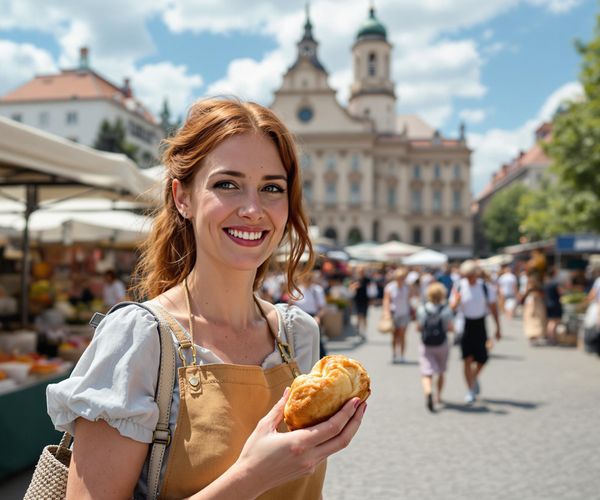
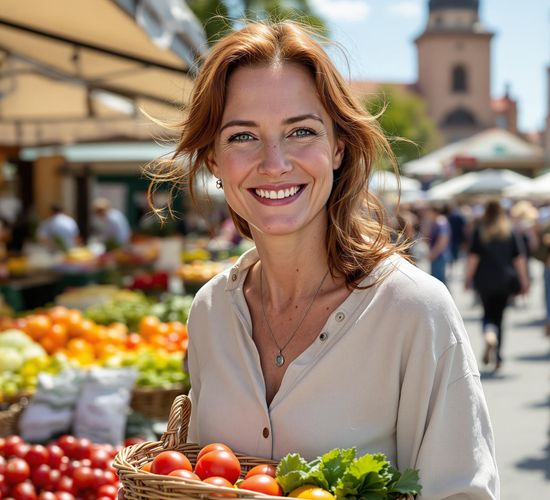
Don't overlook the small details that make a culture unique. Capture the intricate patterns of a textile, the weathered hands of a craftsman, or the vibrant colors of a local market. These details can often be more evocative than grand, sweeping vistas.
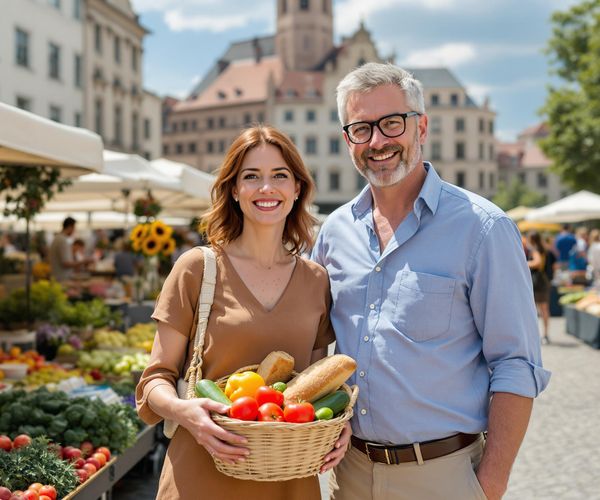
Use wide shots to establish the context of a scene and close-ups to highlight specific elements. A wide shot of a bustling marketplace can convey the energy and vibrancy of a culture, while a close-up of a vendor's face can reveal their character and personality.
Candid moments often provide the most authentic glimpse into a culture. Be patient and observant, and wait for those unscripted moments to unfold. Tips for capturing candid shots include using a fast shutter speed, focusing on your subject, and being discreet.
Ethical Considerations in Cultural Photography
As a cultural photographer, it's your responsibility to be ethical and respectful of the people and cultures you're documenting. This includes understanding local customs, seeking permission, avoiding stereotypes, and giving back to the community.
Before you start shooting, take the time to learn about the local customs and traditions. Dress modestly, avoid photographing sensitive areas, and be mindful of religious practices. Ignoring these customs can be offensive and even dangerous.
Always ask for permission before taking photos of people, especially in cultures where photography is viewed with suspicion. Explain why you want to take their photo and be respectful of their decision if they decline. A simple smile and a gesture can go a long way in building trust and rapport.
Be mindful of how you represent different cultures in your photos. Avoid perpetuating stereotypes or exoticizing your subjects. Instead, focus on capturing the humanity and dignity of the people you're photographing.
Consider giving back to the local community through your photography. This could involve donating prints to local organizations, volunteering your time, or simply purchasing goods and services from local businesses.
Photographing People and Portraits
Capturing genuine emotions and expressions in your portraits is essential for conveying the essence of a culture. Building rapport with your subjects is key to achieving this.
Take the time to connect with your subjects before you start shooting. Learn their names, ask about their lives, and show a genuine interest in their culture. This will help them feel more comfortable and relaxed in front of the camera.
Decide whether you want to pose your subjects or capture them in candid moments. Posed portraits can be a great way to showcase traditional clothing or hairstyles, while candid shots can reveal more about a person's character and personality.
Natural light is your best friend when it comes to portraiture. Position your subjects in a way that flatters their features and avoids harsh shadows. Open shade or diffused sunlight often works best.
Always be respectful of your subjects and avoid taking intrusive or exploitative shots. If someone is uncomfortable with being photographed, respect their wishes and move on.
Capturing Cultural Events and Festivals
Cultural events and festivals offer a wealth of photographic opportunities. However, it's important to plan ahead, be respectful, and capture the energy of the event.
Research the event or festival before you go. Understand its significance, traditions, and customs. This will help you anticipate key moments and capture more meaningful photos.
Arrive early to secure a good vantage point and get a feel for the atmosphere. This will also give you time to scout out potential photo opportunities and plan your approach.
Be respectful of the event and its participants. Avoid getting in the way, making excessive noise, or disrupting the proceedings. Remember that you're a guest, and it's important to behave accordingly.
Use your photos to convey the excitement and vibrancy of the event. Capture the colors, sounds, and emotions of the participants. Focus on the details that make the event unique and memorable.
Post-Processing and Sharing Your Work
Post-processing is an important part of the photographic process. It allows you to enhance your photos, correct any imperfections, and bring out the unique elements of the culture you've captured.
Start with basic adjustments such as exposure, contrast, and color balance. These adjustments can help to improve the overall quality of your photos and make them more visually appealing.
Use post-processing techniques to enhance the cultural elements of your photos. Bring out the vibrant colors of a traditional costume, highlight the intricate details of a piece of artwork, or emphasize the textures of a natural landscape.
Share your photos on platforms such as Evendo, Instagram, and Flickr to connect with other travel enthusiasts and culture seekers. Engage with your audience, respond to comments, and share your stories behind the photos.
Write compelling captions that add context and stories to your photos. Share your experiences, insights, and reflections on the culture you've documented. This will help your audience connect with your photos on a deeper level.
Learn how to capture the spirit and traditions of a place through photography. Discover techniques for composition, lighting, and ethical considerations.