Hello wanderers! Liis here, ready to share some insights into one of my greatest passions: travel photography. It's more than just snapping pictures; it's about preserving memories, sharing experiences, and telling stories that resonate across cultures. So, grab your camera (or your phone!), and let's dive in!
The Allure of Travel Photography: More Than Just Pretty Pictures
Travel photography, for me, is about freezing moments in time. It's about capturing the essence of a place, the spirit of its people, and the emotions that a particular scene evokes. It's a powerful tool for storytelling, allowing us to share our journeys and connect with others on a deeper level. Photos have the incredible ability to transport us back to a specific moment, rekindling memories and emotions long after the trip is over.
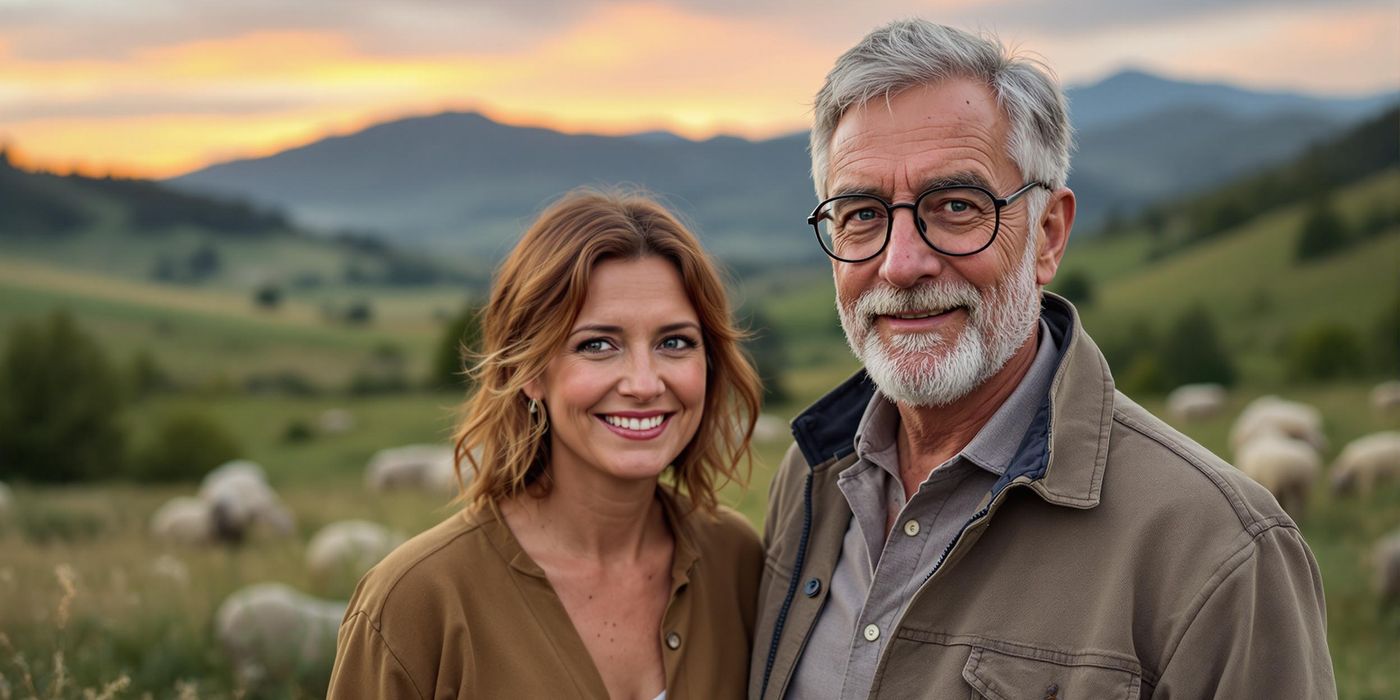
I remember once, while traveling through the Carpathian Mountains in Romania, I captured a photograph of an old shepherd tending to his flock as the sun began to set. The image was simple: a weathered face, a vast landscape, and the soft glow of twilight. But it spoke volumes about the traditional way of life in that region, the resilience of its people, and the enduring connection between humanity and nature. Every time I look at that photo, I'm immediately transported back to that serene evening, feeling the cool mountain air and hearing the distant bleating of sheep. It's a reminder of the beauty and simplicity that can be found in the most unexpected places.
Gear Up: Essential Equipment for Beginner Travel Photographers
You don't need the most expensive equipment to start capturing beautiful travel photos. A beginner-friendly DSLR or mirrorless camera is a great option, offering more control over settings than a smartphone. However, don't underestimate the power of your smartphone! Many modern phones have excellent cameras that can produce stunning images, especially in good lighting conditions.
A versatile zoom lens is a must-have for travel photography. It allows you to capture a wide range of subjects, from sweeping landscapes to close-up portraits, without having to constantly switch lenses. Look for a lens with a focal length range of around 18-200mm or 24-120mm.
Other essential accessories include extra batteries, memory cards (always bring more than you think you'll need!), and a comfortable camera bag to protect your gear. A lightweight tripod can also be incredibly useful for landscape shots and low-light conditions, allowing you to capture sharper images with longer exposures.
Composition is Key: Framing Your Story
Composition is one of the most important aspects of photography. It's how you arrange the elements within your frame to create a visually appealing and engaging image. One of the most well-known composition techniques is the rule of thirds. Imagine dividing your frame into nine equal parts using two horizontal and two vertical lines. Place your key subjects along these lines or at the points where they intersect to create a balanced and visually interesting composition.
Leading lines can also be a powerful tool for guiding the viewer's eye through the image. Use roads, rivers, fences, or other linear elements to draw the viewer's attention to the main subject. Symmetry and patterns can also create striking compositions. Look for repeating shapes, colors, or textures in your surroundings and use them to create a sense of harmony and balance.
I've definitely had my share of composition mishaps! I recall taking a photo of Brandenburg Gate in Berlin, so excited to capture the monument that I didn't pay attention to the garbage bin in the foreground. The photo ended up being ruined! It was a good lesson in paying attention to the whole frame, not just the main subject.
Understanding Light: The Photographer's Best Friend
Light is the lifeblood of photography. It shapes the way we see the world and can dramatically impact the mood and feel of an image. The golden hour, the period shortly after sunrise and before sunset, is a photographer's best friend. During this time, the light is soft, warm, and diffused, creating a magical glow that enhances colors and textures.
Shooting in different lighting conditions can be challenging, but it's also an opportunity to get creative. In bright sunlight, look for shadows to create contrast and depth. On overcast days, the soft, diffused light can be perfect for portraits. Indoors, use natural light whenever possible, and consider using reflectors and diffusers to manipulate the light.
Shadows can be used to create mood and depth in your photos. Experiment with different angles and positions to see how shadows can enhance your composition. For example, capturing a long shadow stretching across a cobblestone street can add a sense of mystery and intrigue to your image.
Storytelling Through Images: Capturing the Essence of a Place
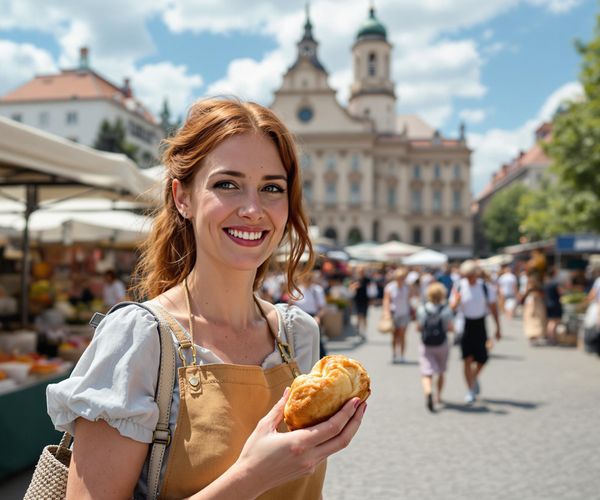
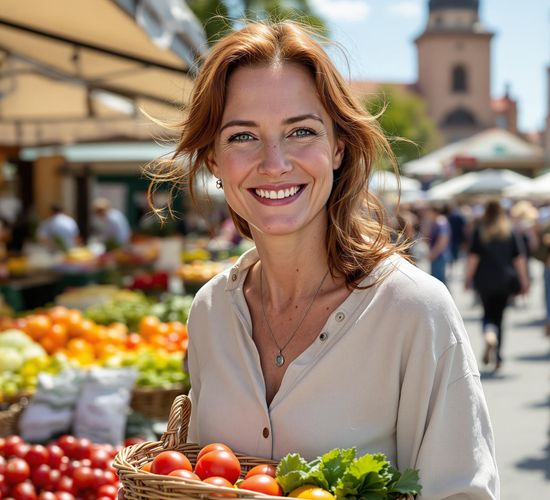
Travel photography is about more than just taking pretty pictures. It's about capturing the essence of a place, its people, and its culture. Focus on capturing local life, whether it's a bustling market, a traditional festival, or a quiet moment in a village square. Details can also tell a story. Capture the textures of weathered buildings, the vibrant colors of local fabrics, or the expressive faces of the people you meet.
One of the most rewarding aspects of travel photography is the opportunity to interact with locals. Ask for permission before taking photos, and take the time to learn about their lives and their stories. You might be surprised at the connections you make and the insights you gain.
Once, while visiting a small village in Transylvania, I asked an elderly woman if I could take her photo. She agreed, and as I was taking the picture, she began to tell me about her life, her family, and her traditions. It was a brief encounter, but it left a lasting impression on me and reminded me of the importance of human connection.
Ethical Travel Photography: Respect and Responsibility
As travel photographers, we have a responsibility to respect local customs and traditions. Before taking photos of people, especially in sensitive situations, always ask for permission. Be mindful of cultural norms and avoid taking photos that could be considered disrespectful or exploitative. Responsible tourism is about minimizing our impact on the environment and supporting local communities. Avoid activities that could harm the environment or exploit local people.
There are many resources available for learning more about ethical travel photography practices. Organizations like Tourism Concern and the Ethical Traveler offer valuable information and guidelines.
Post-Processing Basics: Enhancing Your Images
Post-processing is an essential part of the photography workflow. It allows you to enhance your images, correct imperfections, and bring your creative vision to life. There are many photo editing software options available, from professional programs like Adobe Lightroom to free apps like Snapseed.
Start with basic adjustments like exposure, contrast, and white balance. These adjustments can dramatically improve the overall look of your images. Cropping and straightening images can also improve the composition and visual appeal. When editing your photos, it's important to be subtle. The goal is to enhance the image, not to drastically alter it. Over-editing can make your photos look unnatural and artificial.
So there you have it – a few tips to get you started on your travel photography journey. Remember, the most important thing is to have fun, be respectful, and let your creativity shine! Happy shooting!
Essential travel photography tips for beginners, covering composition, lighting, storytelling, ethical practices, and post-processing.