
As a freelance translator hopping between Estonian, German, and English, I've found that travel isn't just about seeing new places; it's about connecting with the people who call those places home. Over the years, my travels with my husband, Hans, and even my solo adventures, have taught me invaluable lessons about cultural immersion. It's about respectful engagement, genuine curiosity, and a willingness to step outside your comfort zone. Let's explore some ways to truly connect with locals while traveling.
Embrace the Language
There's something truly magical about attempting to speak the local language. It doesn't matter if you only know a few basic phrases; the effort alone is a sign of respect and opens doors you never imagined.
I remember once in Tallinn, my hometown, trying to help a tourist who clearly only spoke English. I could see that by attempting to speak Estonian, they were trying to engage with the culture. It made me feel proud and happy to help them navigate the city.
Even a simple “Tere” (hello) or “Aitäh” (thank you) can go a long way. Apps like Duolingo or Memrise are fantastic for learning basic vocabulary before you go. Don't be afraid to make mistakes; locals are usually very forgiving and appreciate the attempt. You might even find yourself in a funny situation, which makes for a great story later!
Engage with Local Life
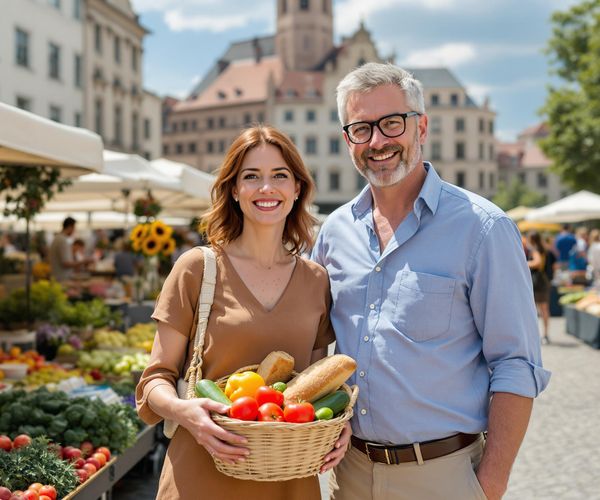
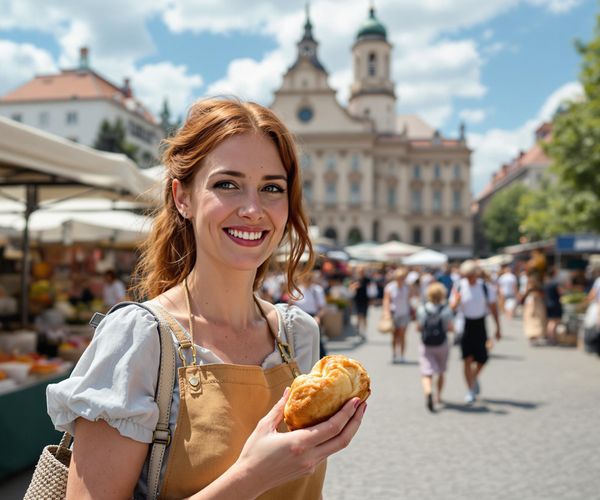
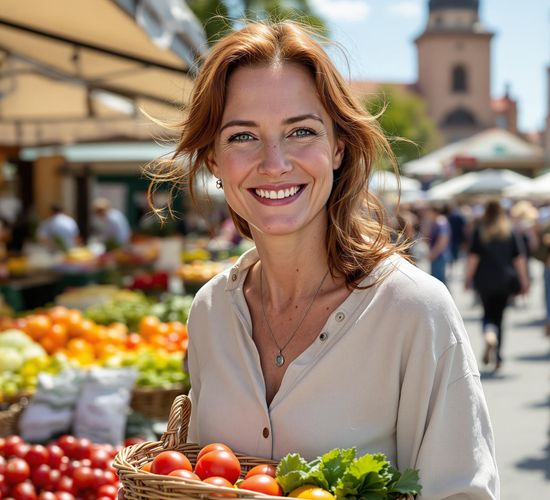
Step away from the tourist traps and immerse yourself in the daily rhythms of local life. One of my favorite things to do is visit farmers' markets, like the ones we have here in Leipzig. You get a real sense of the local produce, the people, and the community spirit.
Attending local events is another fantastic way to connect. Here in Leipzig, there are frequent classical music concerts in the Thomaskirche, and they give you a sense of the history and culture of the place. Whether it's a traditional festival, a community gathering, or even just observing people going about their day in a local park, these experiences offer a glimpse into the heart of a culture. Explore neighborhoods beyond the typical tourist areas; you'll often find hidden gems and authentic experiences waiting to be discovered.
Respect Cultural Norms and Customs
Before you travel, take the time to research the local customs and etiquette. Understanding how people behave, dress, and interact in a particular culture is crucial for respectful travel. For example, in some cultures, it's customary to remove your shoes before entering a home, while in others, it's considered rude to eat with your left hand.
I recall a time when Hans and I were visiting a small village in Bavaria. We made an effort to learn about the local traditions, including the proper way to greet people and the significance of certain gestures. This knowledge not only helped us avoid unintentional offense but also allowed us to engage more meaningfully with the locals. Being mindful and adaptable to cultural differences shows respect and fosters positive interactions.
Share and Connect
Connecting with locals goes beyond just observing; it involves sharing your own stories and experiences. Be open and approachable, and don't be afraid to strike up conversations. Offer help to those who need it, whether it's assisting with directions or translating for someone who doesn't speak the language. Sharing your skills and perspectives can also be a great way to build connections.
During one of my solo trips to the Harz Mountains, I met a local artist who was struggling to translate her website into English. As a translator, I offered my services, and in exchange, she shared her knowledge of the local folklore and history. This exchange not only helped her business but also enriched my understanding of the region.
Support Local Businesses and Initiatives
One of the most impactful ways to immerse yourself in a culture is to support local businesses and initiatives. Instead of staying in large, international hotel chains, consider opting for locally owned accommodations, such as a cozy guesthouse or a family-run bed and breakfast. These establishments often offer a more authentic experience and provide opportunities to connect with the local community.
Similarly, when dining out, choose family-run restaurants that serve traditional cuisine made with locally sourced ingredients. By supporting these businesses, you're not only contributing to the local economy but also helping to preserve cultural traditions. Volunteering or participating in community-based tourism projects is another excellent way to give back and make a positive impact on the places you visit. Remember, responsible and sustainable travel practices are essential for ensuring that future generations can also enjoy these cultural experiences.
Learn how to engage with local cultures and communities in a meaningful way during your travels. Explore tips on language, respect, and support for local businesses.