
Traveling sustainably isn't just a trend; it's a responsibility. As someone who grew up surrounded by the pristine landscapes of Estonia, I've always felt a deep connection to nature. Over the years, exploring the world with my husband, Hans, and seeing the impact of tourism firsthand, I've become even more committed to making conscious travel choices. Here are some tips I've gathered on how to travel sustainably, blending my personal experiences with practical advice for fellow wanderers.
Understanding Sustainable Travel
Sustainable travel is about finding a balance. It's about ensuring that our adventures don't come at the expense of the environment, local communities, or future generations. It means considering the environmental, social, and economic impacts of our travel choices and striving to minimize the negative ones while maximizing the positive. In 2025, with the increasing awareness of climate change and social inequalities, sustainable tourism is more critical than ever. We need to protect the beautiful places we visit so that others can enjoy them for years to come.
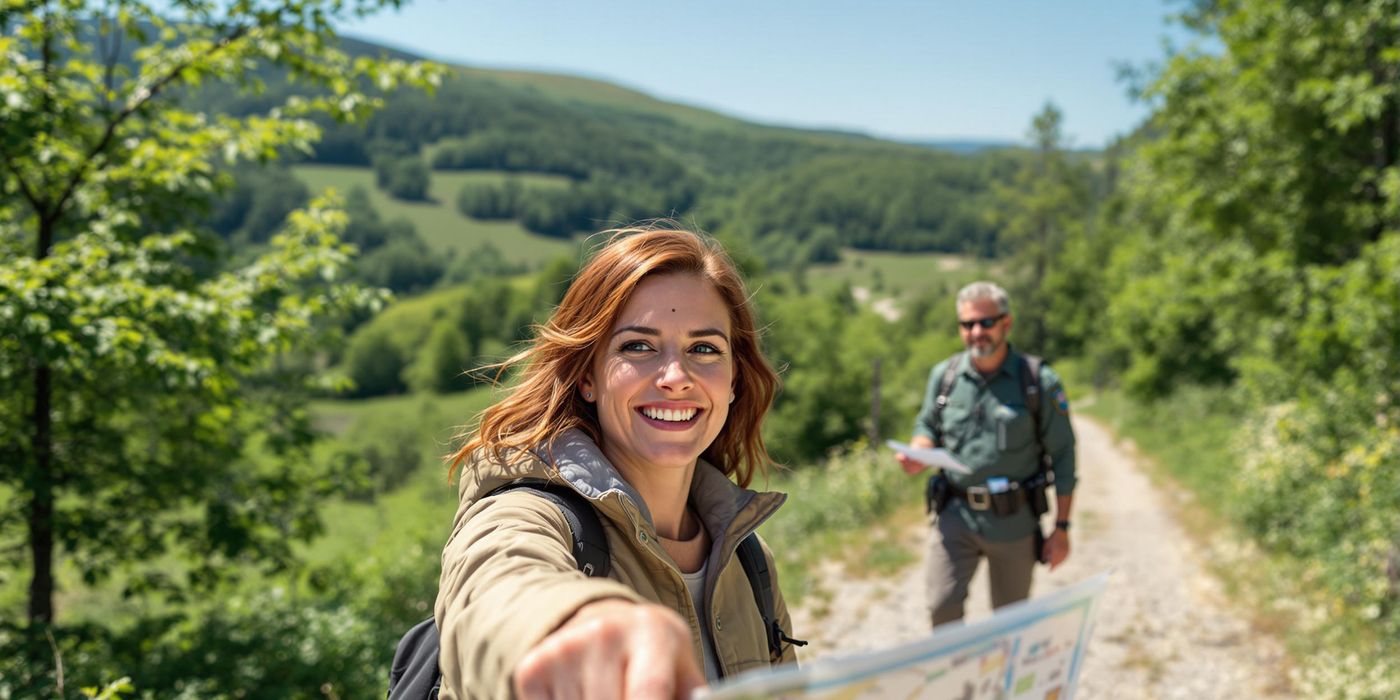
My journey toward sustainable travel started with small steps. I remember a trip to the Harz Mountains with Hans. We initially planned to drive everywhere, but after talking to a local park ranger, we decided to explore the hiking trails instead. That simple change allowed us to connect with nature on a deeper level, discover hidden gems, and support local businesses along the way. It was a turning point that shaped my perspective on travel.
Eco-Friendly Transportation Choices
One of the most significant ways to reduce your environmental impact is by making smarter transportation choices. Air travel contributes significantly to carbon emissions, so consider prioritizing trains, buses, and other forms of public transport whenever possible. Not only are they often more eco-friendly, but they also offer a chance to see the landscape and interact with locals in a way that flying simply can't.
I'm a big advocate for slow travel. Instead of rushing through multiple destinations, why not spend more time in fewer places? This allows you to truly immerse yourself in the local culture, reduce your carbon footprint, and discover hidden gems that you might otherwise miss. When Hans and I visited Italy, we spent two weeks exploring Tuscany by train and bike. We savored the local cuisine, visited small villages, and enjoyed the stunning scenery at a leisurely pace. It was a far more rewarding experience than trying to see all of Italy in the same amount of time.
If flying is unavoidable, consider offsetting your carbon emissions by supporting verified carbon offsetting programs. These programs invest in projects that reduce greenhouse gas emissions, such as renewable energy or reforestation. While offsetting isn't a perfect solution, it's a step in the right direction.
Choosing Sustainable Accommodations
Where you stay also matters. Look for eco-friendly hotels and resorts that have certifications like Green Key or EarthCheck. These certifications indicate that the accommodation meets certain environmental standards, such as conserving energy and water, reducing waste, and supporting local communities. Ask about their sustainability practices before you book.
I've found that locally owned guesthouses and homestays often provide a more authentic and sustainable travel experience. They support local economies, offer a chance to connect with locals, and often have a smaller environmental footprint than large chain hotels. During a trip to Estonia, I stayed in a charming guesthouse run by a local family. They sourced their food from local farms, used solar energy, and were passionate about preserving their cultural heritage. It was a truly enriching experience.
Even in conventional hotels, there are simple habits you can adopt to conserve energy and water. Turn off the lights and air conditioning when you leave your room, take shorter showers, and reuse towels and linens. These small actions can make a big difference.
Reducing Waste While Traveling
Traveling can generate a lot of waste, especially single-use plastics. One of the easiest ways to reduce your impact is by bringing reusable items, such as water bottles, shopping bags, and cutlery. I always carry a reusable water bottle with me, and I'm surprised by how much plastic waste I avoid by simply refilling it throughout the day.
Smart packing can also help minimize waste. Choose solid toiletries, like shampoo bars and solid deodorant, to avoid plastic bottles. Pack light to reduce your carbon footprint and avoid the temptation to buy unnecessary souvenirs. When shopping, opt for products with minimal packaging or those made from recycled materials.
Practicing 'Leave No Trace' principles is essential, especially when exploring natural habitats. Stay on marked trails, avoid disturbing wildlife, and pack out everything you pack in. Respect the environment and leave it as you found it, or even better.
Supporting Local Communities and Culture
One of the most rewarding aspects of travel is connecting with local communities and learning about different cultures. Support local economies by eating at local restaurants and shopping at local markets. Not only will you get a taste of authentic cuisine and unique products, but you'll also be directly contributing to the livelihoods of local people. When we are traveling, Hans and I always try to find locally owned restaurants that serve traditional dishes. It's a great way to experience the culture and support local families.
Respecting local customs and traditions is crucial. Before you travel, learn a few basic phrases in the local language and familiarize yourself with local customs. Dress appropriately and be mindful of your behavior. Engaging with local guides and artisans can also create meaningful cultural exchanges. They can share their knowledge and perspectives, providing a deeper understanding of the local culture.
Sustainable travel is a journey, not a destination. It's about making conscious choices, respecting the environment and local communities, and striving to leave a positive impact wherever you go. By adopting these tips, you can become a more responsible and sustainable traveler, helping to protect the planet and its cultures for future generations. Happy travels!
Practical tips for travelers to minimize their environmental impact while exploring the world, focusing on eco-friendly practices, reducing waste, and supporting local businesses.