As an immigration consultant, I've always believed that travel is more than just seeing new places; it's about connecting with people and understanding their culture. And what better way to do that than by learning a new language? From my own experiences moving from Mauritius to Canada, I've learned firsthand the power of communication. So, let's dive into how you can learn a new language and transform your next trip from a simple vacation into a deeply enriching cultural experience.
The Transformative Power of Language: More Than Just Translation
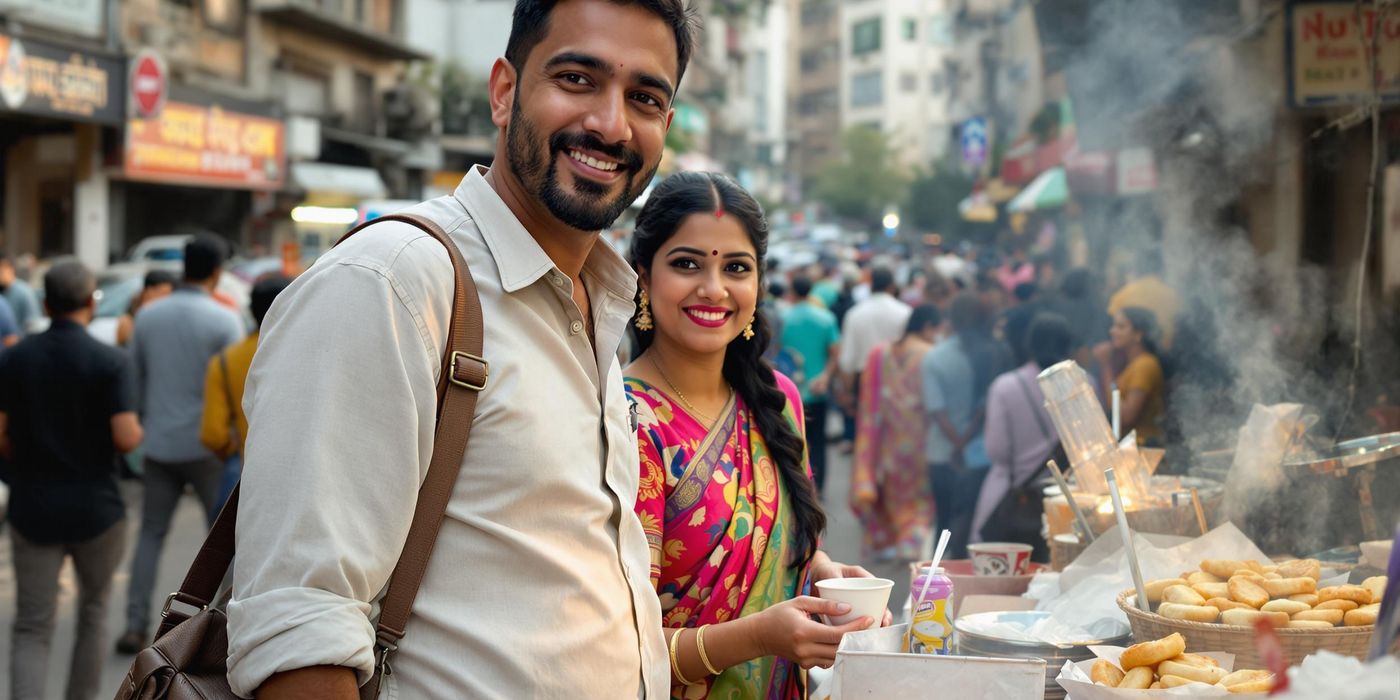
Learning a language goes beyond just being able to translate words. It's about immersing yourself in a different culture and gaining a deeper understanding of the people who live there. I remember when Priya and I visited a small village in India. Armed with just a few basic Hindi phrases, we were able to connect with the locals on a level we never could have imagined. We shared meals, laughed at jokes, and learned about their traditions. It was a far cry from being just another tourist.
Language skills allow you to understand cultural nuances that might otherwise be lost in translation. You'll be able to appreciate the humor, the customs, and the unspoken rules of a society. This, in turn, fosters deeper connections with locals, creating more meaningful and authentic travel experiences. It's about opening doors to new perspectives and building bridges between cultures.
Pre-Trip Prep: Laying the Linguistic Foundation
So, where do you start? Thankfully, there are countless resources available to help you learn a new language before your trip. Language learning apps like Duolingo, Babbel, and Memrise are fantastic for building a basic vocabulary and understanding grammar. I often use Duolingo to brush up on my French before visiting Quebec.
Online language courses and platforms offer a more structured approach to learning. Consider creating a personalized study plan that fits your individual travel itinerary. If you're planning a trip to Italy, focus on learning phrases related to food, transportation, and accommodation. Don't forget about free online resources like YouTube channels and language exchange websites. These can be invaluable for practicing your pronunciation and listening comprehension.
Immerse Yourself: Language Learning in the Real World
The best way to learn a language is to immerse yourself in it. Engage in conversations with native speakers before your trip, either online or in local communities. There are many online platforms where you can connect with language partners from around the world. Priya and I often video chat with friends in Mumbai to practice our Hindi.
Watching foreign films and TV shows with subtitles is another great way to improve your listening comprehension. Listen to language learning podcasts or music in the target language. These activities can help you become more familiar with the sounds and rhythms of the language. If possible, find language exchange partners or tutors who can provide personalized feedback and guidance.
Essential Phrases: Your Linguistic Toolkit
Before you embark on your journey, make sure you have a linguistic toolkit of essential phrases. These include greetings, phrases for ordering food, asking for directions, and basic interactions. Learn how to say hello, goodbye, please, and thank you in the local language. Pay attention to pronunciation and common mistakes to avoid.
Create a pocket-sized phrasebook or use a language translation app for quick reference. While technology can be helpful, it's important to remember that it's not a substitute for genuine communication. Learning polite expressions is crucial for showing respect and building rapport with locals. A simple please or thank you can go a long way in creating a positive interaction.
Embrace the Stumbles: Learning Through Mistakes
Don't be afraid of making mistakes! Language learning is a journey, and stumbles are inevitable. View them as learning opportunities and don't let them discourage you. I remember once trying to order a vegetarian dish in a restaurant in France and accidentally asking for a plate of snails. We all had a good laugh, and I learned a valuable lesson about the importance of clear communication!
Practice in low-pressure situations, like ordering coffee or asking simple questions. The more you practice, the more confident you'll become. Patience and persistence are key in language learning. It takes time and effort to master a new language, but the rewards are well worth it.
Beyond the Basics: Elevating Your Language Skills
Once you've mastered the basics, consider taking a language class in the destination country for a more immersive experience. This will give you the opportunity to learn from native speakers and practice your language skills in a real-world setting. Participate in cultural activities and events to practice language skills in context. Attend local festivals, visit museums, and engage in conversations with locals.
Read local newspapers, books, or blogs to expand your vocabulary. Keep a language journal to track your progress and reflect on your learning experiences. Write down new words and phrases, record conversations, and note any challenges or successes you encounter. Learning a new language is a journey that opens doors to new cultures, new experiences, and new connections. So, embrace the challenge, immerse yourself in the language, and get ready to see the world in a whole new light.
Learning a new language can transform your travel experiences. Discover practical strategies to immerse yourself in local cultures and connect with people on a deeper level.