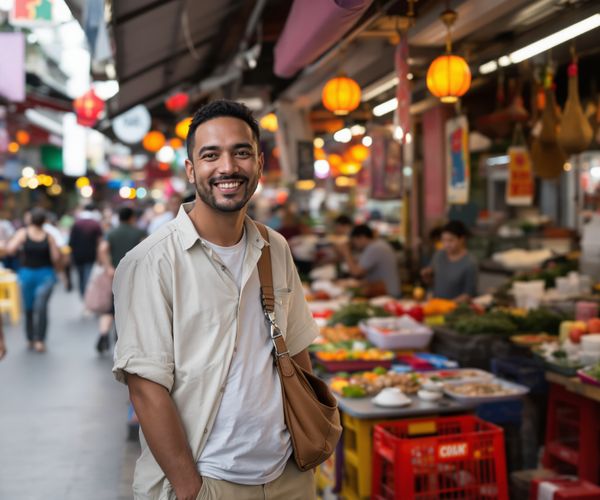
Hey everyone, Louis here! As you know, Priya, Aarav and I love exploring new places. I've always been keen on photography, trying to capture the essence of our travels. Over the years, I've picked up a few tricks that have really helped me improve my travel photos. I'm excited to share them with you, so you can bring back amazing memories from your adventures too!
Understanding Your Camera
First things first, get to know your camera! Whether you're rocking a fancy DSLR, a mirrorless marvel, or just your trusty smartphone, understanding its settings is key. Think of it like learning the rules of Sega Soccer – you can’t score if you don’t know the controls!
Aperture, shutter speed, and ISO might sound like gibberish now, but they're the holy trinity of photography. Aperture controls the depth of field – that blurry background effect that makes your subject pop. Shutter speed determines how long the camera's sensor is exposed to light, affecting motion blur. And ISO? That's your camera's sensitivity to light – crank it up in low-light situations, but be careful of grainy images.
Don't be intimidated! Your camera manual is a great place to start. There are also tons of online courses and eBooks out there. Take the time to learn, and you'll be amazed at the difference it makes.
Mastering Composition Techniques
Composition is how you arrange elements within your frame. It's what separates a snapshot from a captivating photograph. Think of it as staging a scene – you want to draw the viewer in and tell a story!
The Rule of Thirds is a classic. Imagine dividing your frame into nine equal parts with two horizontal and two vertical lines. Place your key elements along these lines or at their intersections for a more dynamic and balanced image.
Leading lines are another powerful tool. Use roads, rivers, or even fences to guide the viewer's eye through the photo and towards your subject.
Foreground elements can add depth and interest. A flower in the foreground of a landscape shot, for example, can create a sense of perspective and draw the viewer into the scene.
Framing within a frame is another cool technique. Use arches, doorways, or even tree branches to frame your subject and add focus and context.
Symmetry and patterns can create visually striking images. Look for repeating shapes, lines, or colors and use them to create a sense of order and balance.
Finally, don't be afraid of simplicity. Sometimes, the most powerful images are the ones with the fewest elements. Focus on your subject and eliminate distractions.
Utilizing Light to Your Advantage
Light is everything in photography! It can make or break a photo, so learning how to use it to your advantage is crucial.
The golden hours – early morning and late afternoon – are a photographer's best friend. The light during these times is soft, warm, and flattering. It's perfect for capturing landscapes, portraits, and everything in between.
Harsh midday sun can be tricky, but you can still create interesting photos. Look for shadows and use them to add drama and contrast. You can also try shooting in the shade or using a diffuser to soften the light.
Backlighting, when the light source is behind your subject, can create beautiful silhouettes. Experiment with different angles and compositions to capture stunning effects.
Low light can be challenging, but with a tripod and a slow shutter speed, you can capture amazing night shots. Just remember to keep your camera steady!
Lens flare, caused by direct sunlight hitting your lens, can be a nuisance, but you can also use it creatively. Experiment with different angles to control the flare and add a dreamy effect to your photos.
Essential Gear for Travel Photography
You don't need a ton of fancy gear to take great travel photos. But a few essential items can make a big difference.
A versatile zoom lens, like a 24-70mm, is a must-have. It's perfect for capturing a wide range of shots, from landscapes to portraits. It’s the kind of flexibility I look for when choosing where to eat in Toronto – I want options!
A tripod is essential for low-light and long-exposure shots. It will keep your camera steady and prevent blurry images.
A durable and comfortable camera bag is crucial for protecting your equipment. Look for one with padded dividers and plenty of storage space.
Extra memory cards and batteries are a must. You don't want to run out of space or power in the middle of a shoot. And be sure to store them properly in different climates – heat and cold can affect their performance.
A wide-angle lens is great for landscapes and night shots. It will allow you to capture more of the scene.
And if you're feeling adventurous, consider a drone for aerial photography. It will give you a unique perspective on your destination.
Capturing Unique Moments and Details
Don't just take photos of the famous landmarks. Look for the unique details that tell a story about your destination.
Capture people in their environment to add authenticity to your photos. A street vendor selling food, a group of children playing in a park – these are the moments that make a place special.
Photograph cultural festivals respectfully. Focus on the colors, costumes, and traditions, but always be mindful of the people and their customs.
Try different angles and perspectives to create unique shots. Get down low, climb up high, or shoot from an unusual angle. You might be surprised at what you discover.
Learn to anticipate the moment and be ready to capture it. Sometimes, the best photos are the ones you didn't plan.
Ethical Considerations in Travel Photography
It's important to be a responsible and ethical traveler, especially when taking photos.
Respect local customs and traditions. Don't take photos in places where it's not allowed, and always dress appropriately.
Seek consent when photographing people, especially children. Ask for permission before taking their photo, and respect their wishes if they say no.
Avoid exploiting vulnerable subjects. Don't take photos that perpetuate stereotypes or depict people in a demeaning way. This is especially important to me, given my background and understanding of cultural representation.
Represent people and destinations fairly. Don't create false narratives or exaggerate the truth.
Share your photos with the subjects when possible. It's a nice gesture and a way to show your appreciation.
Protecting Your Gear While Traveling
Your camera gear is an investment, so it's important to protect it while traveling.
Use waterproof bags and rain covers to protect your gear from the elements. You never know when you'll get caught in a downpour.
Pack your gear properly with padded dividers or bubble wrap. This will prevent it from getting damaged in transit.
Carry your gear on the plane when possible. This is the safest way to ensure that it arrives in one piece. And invest in a good camera bag that's comfortable to carry and has plenty of storage space.
Consider using hard cases for checked luggage. They're more durable than soft cases and will provide better protection for your gear.
A hot shoe cover will protect your camera's hot shoe from dust and moisture.
Practical photography tips for travelers to enhance their travel photos. Composition, lighting and gear tips suitable for amateur photographers.