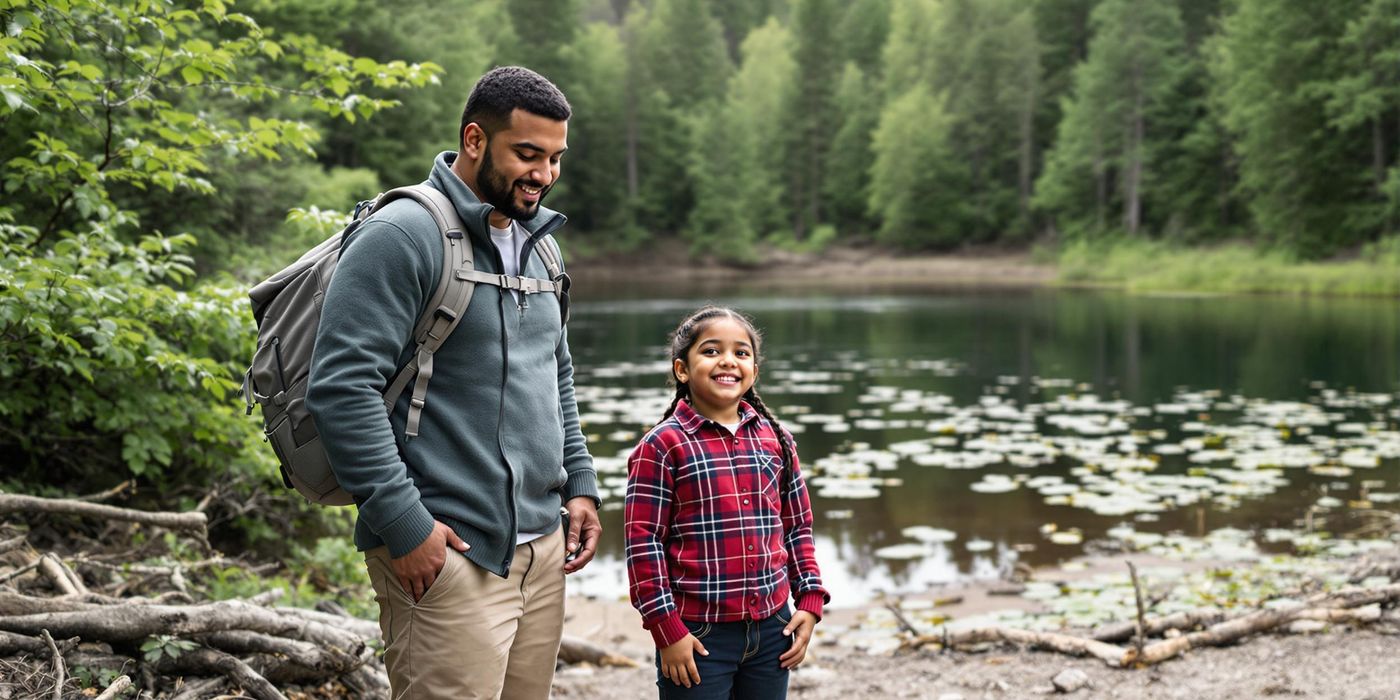
As a Mauritian expat living in Toronto, I've always felt a deep connection to the world around me. My wife, Priya, my son, Aarav, and I love to travel, explore new cultures, and create lasting memories. But as we've traveled more, we've become increasingly aware of the impact our adventures have on the planet. That's why we've made a conscious effort to travel more sustainably as a family. It's not always easy, but it's definitely worth it. Here's what we've learned about how to travel sustainably as a family.
Understanding Sustainable Travel: Why It Matters for Families
Sustainable travel, at its core, is about making travel choices that minimize negative impacts on the environment and local communities, while maximizing the positive ones. It's about traveling in a way that preserves the destinations we visit so that future generations can enjoy them too. Think of it as leaving only footprints and taking only memories…and maybe a few photos!
When families travel, the impact can be significant. Flights contribute to carbon emissions, hotels consume resources, and tourist activities can sometimes disrupt local ecosystems. It's crucial to be mindful of our carbon footprint and waste generation. For instance, a long-haul flight for a family of three can generate a substantial amount of carbon dioxide. Similarly, the waste produced during a week-long vacation can quickly add up.
However, sustainable travel offers numerous benefits. It helps preserve the natural beauty and cultural heritage of destinations. It supports local economies by creating jobs and opportunities for residents. And, perhaps most importantly, it educates our children about the importance of environmental stewardship and cultural respect. Aarav has learned so much about different cultures and ecosystems simply by being a part of our sustainable travel efforts!
Planning a Sustainable Family Trip: Pre-Departure Checklist
The key to a sustainable family trip lies in careful planning. Before you even book your flights, consider these factors:
Choosing Eco-Friendly Destinations: Look for destinations that prioritize sustainability. National parks are a great option, offering opportunities for outdoor adventures while protecting natural habitats. Eco-lodges, often located in remote areas, are designed to minimize their environmental impact. Countries like Costa Rica and Belize are known for their commitment to ecotourism and offer a wide range of sustainable activities.
Transportation Options: Whenever possible, opt for trains or buses instead of flying. These modes of transportation generally have a lower carbon footprint. If flying is unavoidable, choose direct flights to minimize emissions. Consider flying economy class, as it utilizes space more efficiently than business or first class. And remember to pack light! The heavier your luggage, the more fuel the plane needs to burn.
Sustainable Accommodation: Seek out eco-certified hotels, guesthouses, or vacation rentals. These accommodations have been vetted for their sustainability practices. When booking, ask about their energy use (do they use renewable energy?), water conservation efforts (do they have low-flow showers?), and waste management practices (do they recycle and compost?).
Packing Essentials: A little preparation goes a long way. Pack reusable water bottles and containers to avoid single-use plastics. Bring reef-safe sunscreen to protect marine ecosystems. Opt for solid toiletries, like shampoo bars, to reduce plastic waste. And don't forget reusable shopping bags for those souvenir runs!
Eco-Friendly Activities for the Whole Family
Once you've arrived at your destination, choose activities that align with your sustainable values:
Nature-Based Activities: Hiking, biking, and kayaking are fantastic ways to explore the natural world without harming it. Spend time in local parks, observing wildlife and learning about the local ecosystem. We recently went on a kayaking trip in Algonquin Provincial Park, and Aarav was thrilled to spot a beaver dam!
Wildlife Encounters: Be a responsible animal tourist. Visit animal sanctuaries that rescue and rehabilitate wildlife. Avoid activities that exploit animals, such as riding elephants or swimming with captive dolphins. Instead, opt for wildlife watching tours that respect animal habitats and behaviors.
Cultural Immersion: Support local businesses by shopping at local markets and eating at family-owned restaurants. Participate in community events to learn about local traditions and customs. This not only enriches your travel experience but also helps to support the local economy.
Educational Opportunities: Visit museums and historical sites to learn about the local culture and history. Explore local ecosystems and learn about the native flora and fauna. Many destinations offer educational tours and workshops that can deepen your understanding of the local environment.
Sustainable Practices On The Road
Sustainable travel isn't just about where you go and what you do; it's also about how you behave while you're traveling:
Conserving Resources: Be mindful of your water and energy consumption in your accommodations. Turn off lights and air conditioning when you leave the room. Take shorter showers and avoid wasting water. These small actions can make a big difference.
Minimizing Waste: Avoid single-use plastics whenever possible. Use your reusable water bottle and shopping bags. Properly dispose of waste in designated recycling bins. Consider packing a small trash bag to collect litter during your outdoor adventures.
Eating Sustainably: Choose local and seasonal foods to reduce the carbon footprint associated with transportation. Reduce food waste by ordering only what you can eat. Support restaurants that prioritize sustainable practices, such as sourcing ingredients locally and composting food scraps.
Respecting Local Cultures: Learn a few basic phrases in the local language. Dress appropriately for the local culture. Be mindful of local customs and traditions. Show respect for the local people and their way of life. A little cultural sensitivity can go a long way in building positive relationships.
Engaging Kids in Sustainable Travel
Traveling sustainably is a fantastic opportunity to teach your children about environmental responsibility and cultural awareness:
Involving Children in the Planning Process: Let your children help choose activities and learn about the destination's environment and culture. This will make them feel more invested in the trip and more likely to embrace sustainable practices.
Teaching Children About Sustainability: Explain the importance of conservation, waste reduction, and respecting local communities. Use age-appropriate language and examples to help them understand the impact of their actions.
Fun Activities for Kids: Organize nature scavenger hunts to encourage children to explore the natural world. Engage in DIY projects using recycled materials to teach them about waste reduction. Encourage them to create a travel journal to document their experiences and reflections.
Leading by Example: The most effective way to teach children about sustainability is to lead by example. Demonstrate sustainable practices in your own behavior and encourage them to adopt them as well. When they see you making conscious choices, they are more likely to do the same.
Discover how families can embrace sustainable travel, minimizing environmental impact while creating lasting memories. Learn about eco-friendly destinations, activities, and practices for a greener vacation.