Embracing the Local Food Scene: A Cultural Immersion
Food is undeniably a cultural gateway. It tells stories of history, tradition, and the very essence of a place. I remember visiting a small village in Italy and being invited to a family's home for a pasta-making session. The laughter, the shared stories, and the incredible flavors created a connection that transcended language. This is the magic of engaging with local food scenes. Culinary tourism is on the rise, and for good reason. It's about more than just eating; it's about experiencing a destination's soul. Whether it's learning about the spices in a Moroccan tagine or understanding the significance of sushi in Japanese culture, food offers a deeper understanding of a place's history and traditions.
Finding Authentic Cooking Classes: A Step-by-Step Guide
So, how do you find those hidden culinary gems? Research is key. Start by exploring local food blogs and travel websites. Social media can also be a goldmine for discovering unique cooking classes. Look for experiences that are led by local chefs or even home cooks. There's something incredibly special about learning a family recipe passed down through generations. Hands-on experience is invaluable. Don't be afraid to get your hands dirty, ask questions, and fully immerse yourself in the process. You'll not only learn how to prepare traditional dishes, but you'll also gain insights into the culture and the people behind the food.
Navigating Local Markets: A Treasure Trove of Ingredients
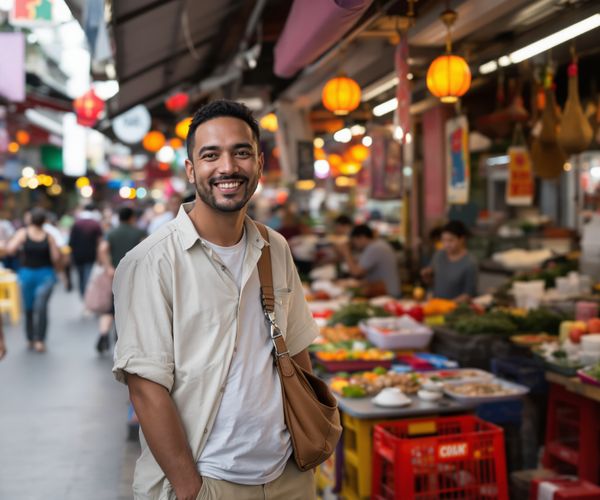
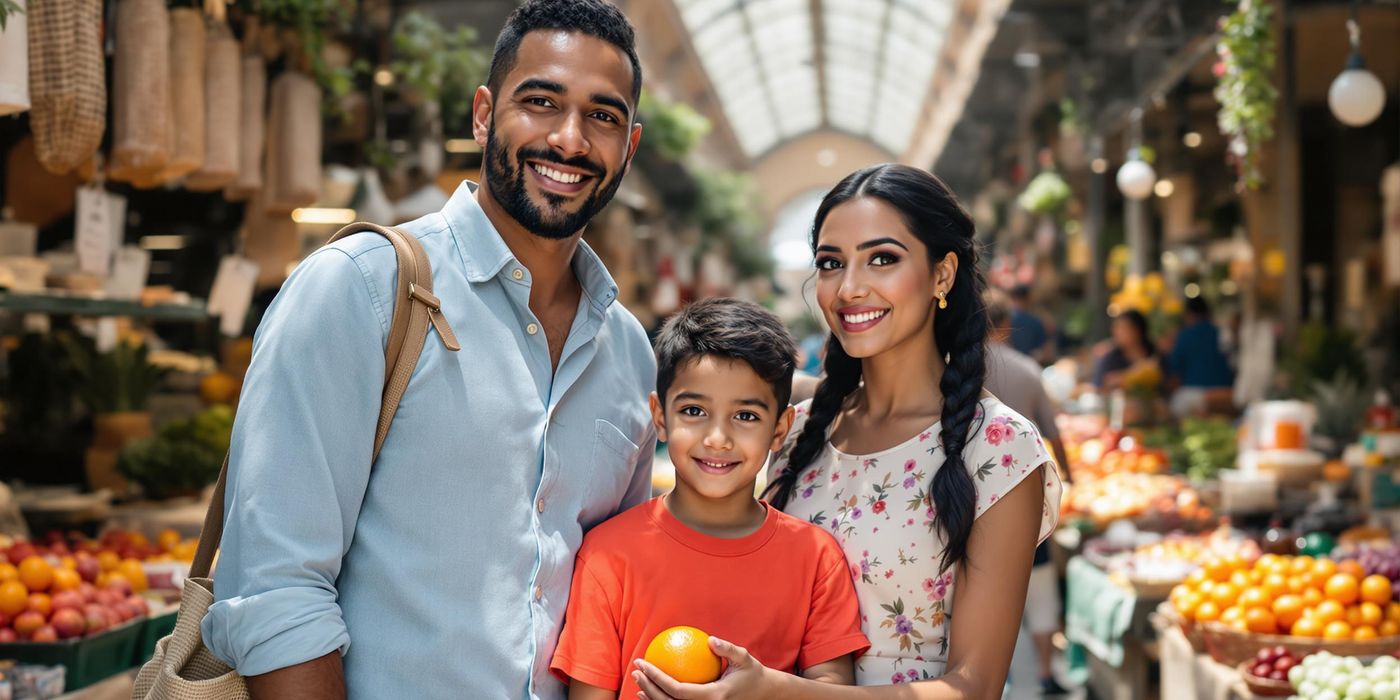
Local markets are a sensory explosion! They are the heart and soul of a community, brimming with fresh, regional ingredients. When you visit a market, take the time to interact with the vendors. Ask them about their produce, their farming practices, and their favorite ways to use the ingredients. Don't be shy about trying new foods – many vendors offer samples. Bargaining is often expected, but always do so respectfully. Remember, you're not just buying ingredients; you're supporting local farmers and businesses. Some popular markets around the world include La Boqueria in Barcelona, a vibrant tapestry of colors and flavors, and Mercato Centrale in Florence, a foodie's paradise with artisanal products and delicious street food.
Bringing the Flavors Home: Recreating Dishes in Your Own Kitchen
One of the best parts of culinary travel is bringing those flavors back home. Adapting foreign recipes to your home kitchen can be a fun and rewarding challenge. Start by finding reliable international recipes online or in cookbooks. Don't be afraid to experiment with ingredient substitutions if you can't find something specific. For example, if you're making a Thai curry and can't find galangal, ginger can be a suitable substitute. The key is to be patient, embrace the learning process, and have fun. Recreating a dish from your travels can transport you back to that place and time, reliving those cherished memories.
From Street Food to Fine Dining: Exploring All Culinary Avenues
Don't limit yourself to just cooking classes or market visits. Explore all culinary avenues! Street food stalls offer a glimpse into the everyday flavors of a place. Local restaurants, from casual eateries to fine dining establishments, showcase the diverse culinary landscape. Be sure to try traditional dishes and regional specialties. Ask locals for recommendations – they always know the best hidden gems. And most importantly, be open to new and unfamiliar foods. Some of my most memorable culinary experiences have come from stepping outside my comfort zone and trying something completely different. Like the time I ate sea urchin in Japan, it was definitely an acquired taste, but it was an experience I'll never forget!
Discover the art of cooking local while traveling. Immerse yourself in authentic food scenes, cooking classes, markets, and recreate dishes at home for a cultural connection.