As a software engineer living in multilingual Switzerland and a passionate traveler originally from Slovenia, I, Marko Novak, have learned firsthand the joys and challenges of navigating language barriers. Connecting with people from different cultures is one of the most rewarding aspects of travel. However, not speaking the local language can sometimes feel like an insurmountable obstacle. In this article, I'll share some practical tips and tricks I've picked up along the way to help you overcome language challenges and enhance your travel experiences.
The Importance of Bridging the Language Gap
Overcoming language barriers is more than just a convenience; it's the key to unlocking a truly immersive and fulfilling travel experience. It allows you to move beyond the surface-level tourist interactions and delve into the heart of a culture. My background has instilled in me a deep appreciation for connecting with diverse cultures. Language is the doorway to understanding customs, traditions, and perspectives that would otherwise remain hidden. When you make an effort to communicate, you show respect for the local people and their way of life. This opens doors to authentic interactions and lasting memories.
Whether it's sharing a meal with a local family, asking for directions in a remote village, or simply exchanging smiles with a street vendor, language skills, even basic ones, can transform your journey from a passive observation to an active participation. These interactions create connections that transcend geographical boundaries and enrich your understanding of the world.
Essential Phrases: Your First Line of Communication
Before embarking on any trip, I always make it a point to learn a few essential phrases in the local language. Knowing basic greetings and polite expressions can go a long way in making a positive impression and facilitating simple interactions. Start with phrases like:
- Hello
- Thank you
- Please
- Excuse me
- Where is the restroom?
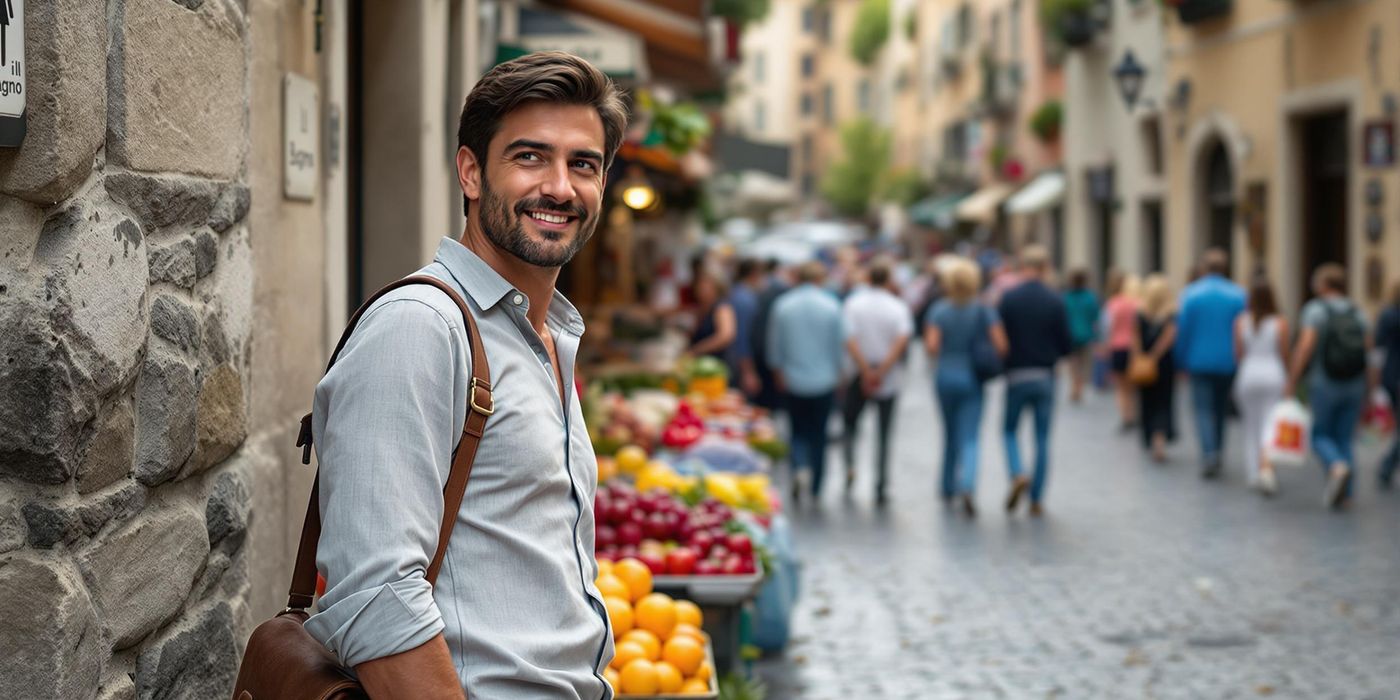
These simple phrases can break the ice and show locals that you are making an effort to connect. I remember once being completely lost in a small Italian town. After struggling to communicate in English, I tried a simple Scusi, dove il bagno? (Excuse me, where is the restroom?). The immediate smile and helpful directions I received were a testament to the power of even a few words.
For quick and effective language learning, I recommend using apps like Duolingo or Memrise. These platforms offer interactive lessons and gamified exercises that make learning fun and engaging. Even a few minutes of practice each day can significantly improve your ability to communicate in a foreign language.
Leveraging Technology: Translation Apps and Devices
In today's digital age, technology offers a wealth of tools to help bridge language gaps. Translation apps have become indispensable travel companions, providing real-time assistance with spoken and written communication. Some of my favorite translation apps include:
- Google Translate
- iTranslate
- Microsoft Translator
- Papago
These apps offer a range of features, including real-time voice translation, camera translation (allowing you to translate text from images), and offline translation (essential for areas with limited internet access). For instance, with Google Translate, you can simply point your camera at a menu in a foreign language, and the app will instantly translate the text into your preferred language.
For even more seamless communication, consider investing in translation earbuds or devices like the Timekettle WT2 Edge Real-time Translator Earbuds. These devices offer near-instantaneous translation, allowing you to have natural conversations with people who speak different languages. The accuracy and convenience of these tools can significantly enhance your travel experiences, making it easier to navigate unfamiliar situations and connect with locals.
The Power of Non-Verbal Communication
While language skills are undoubtedly valuable, non-verbal communication plays a crucial role in bridging communication gaps. Body language, gestures, and facial expressions can convey messages even when words fail. In many situations, a smile, a nod, or a simple hand gesture can communicate more effectively than spoken language.
However, it's important to be mindful of cultural differences in non-verbal communication. A gesture that is considered polite in one culture may be offensive in another. For example, maintaining eye contact is generally seen as a sign of attentiveness and respect in Western cultures, but in some Asian cultures, it may be considered disrespectful. Similarly, the use of hand gestures varies widely across cultures. Researching common gestures and customs in your destination can help you avoid misunderstandings and communicate more effectively.
Regardless of cultural differences, some non-verbal cues are universally understood. Smiling, showing genuine interest, and maintaining a positive attitude can go a long way in building rapport and fostering positive interactions.
Simplifying Your Speech: Clarity and Patience
When communicating with non-native speakers, it's essential to simplify your speech and be patient. Speak slowly and clearly, avoiding slang, idioms, and complex sentence structures. Use internationally understood words and simple nouns to convey your message effectively. For example, instead of saying Can you give me a hand with this?, try Can you help me with this?.
It's also important to be patient and understanding. Remember that communicating in a foreign language can be challenging, and it may take time for the other person to understand you. Avoid interrupting or finishing their sentences. Instead, listen attentively and give them the opportunity to express themselves. Adopting a positive mindset and assuming that people want to understand you can make the communication process much smoother and more enjoyable.
Immersive Learning: Engaging with Locals
One of the most effective ways to improve your language skills and connect with locals is to immerse yourself in the local culture. This means going beyond the typical tourist attractions and actively engaging with the community. Consider participating in language exchanges, attending local festivals, volunteering abroad, or taking a cooking class. These activities provide opportunities to practice your language skills in real-world situations and build meaningful connections with native speakers.
I've found that learning languages through immersion is incredibly rewarding. When you're surrounded by the language and culture, you're constantly exposed to new vocabulary and expressions. Don't be afraid to make mistakes; it's a natural part of the learning process. Embrace the opportunity to practice with native speakers and step out of your comfort zone. The more you engage with the local culture, the more confident and fluent you'll become.
Visual Aids: Maps, Diagrams, and More
Visual aids can be incredibly helpful when communicating in a foreign language, especially when you're trying to explain complex ideas or understand directions. Maps, diagrams, and pictures can transcend language barriers and provide a common visual reference point. I always carry a small notebook and pen with me when I travel, so I can jot down key information or draw simple illustrations to aid communication.
For example, if you're trying to find a particular landmark, pointing at it on a map can be much more effective than trying to describe its location in words. Similarly, if you're trying to explain a technical issue, drawing a simple diagram can help the other person understand the problem more easily. Using gestures and pointing at objects can also enhance communication and clarify your message.
Practical tips for overcoming language challenges while traveling. Learn essential phrases, leverage technology, and master non-verbal communication to connect with locals.