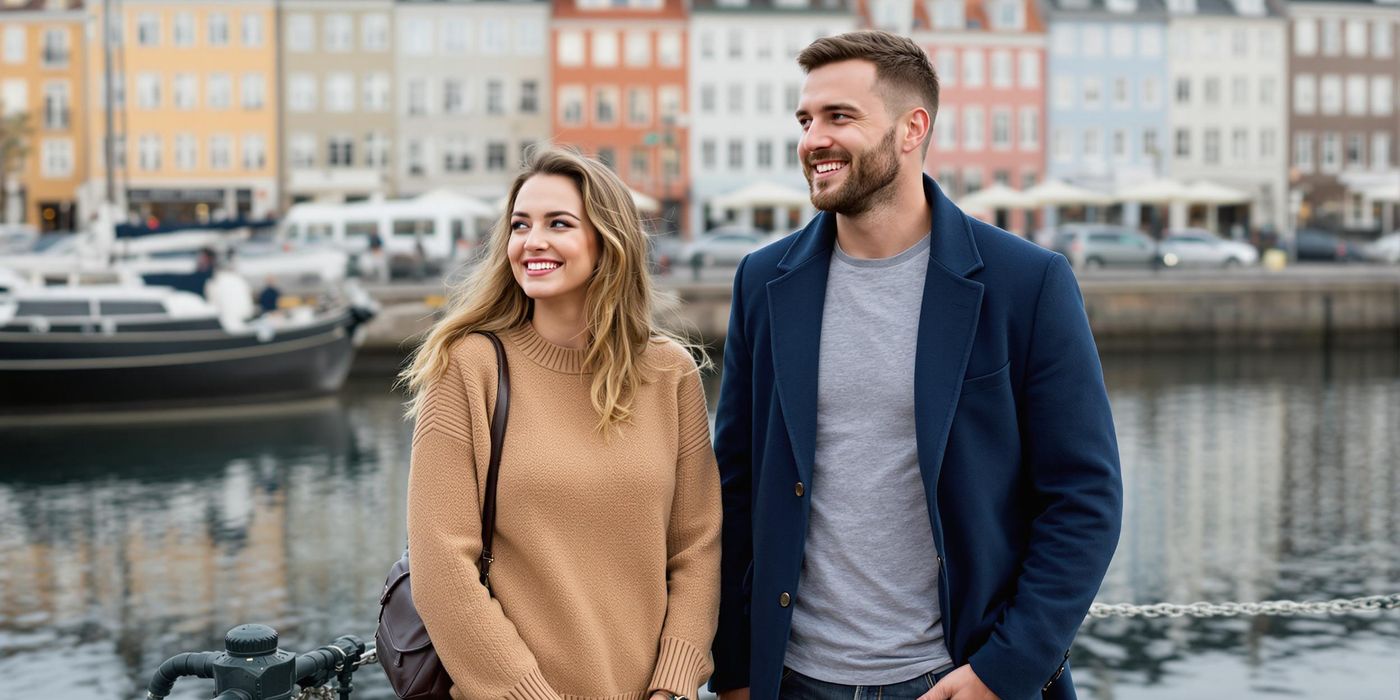
As a freelance translator based in Berlin, I, Mette Møller, find that my love for languages and cultural exchange seamlessly blends with my passion for travel photography. My husband, Hans, and I are always seeking new adventures, and over the years, I've learned a thing or two about capturing those special moments through the lens. Here are some of my go-to photography tips to help you preserve your travel memories in stunning detail.
Understanding Your Camera Gear
First things first, let's talk gear. You don't need the most expensive equipment to take great travel photos. Whether you're using a DSLR, a mirrorless camera, or even your smartphone, the key is understanding its capabilities. Each has its strengths. Smartphones are incredibly convenient and offer impressive image quality these days, while DSLRs and mirrorless cameras provide more control over settings and lens options.
Understanding your camera settings is crucial. Aperture controls the depth of field, shutter speed affects motion blur, and ISO determines sensitivity to light. White balance ensures colors are accurate. My personal favorite for travel is my Sony α7 III paired with a versatile 24-70mm lens. It's lightweight enough for long hikes but powerful enough to capture stunning landscapes and portraits.
Don't forget accessories! A sturdy tripod is essential for low-light shots and long exposures. Polarizing filters reduce glare and enhance colors, while neutral density (ND) filters allow you to shoot with wider apertures in bright conditions. And always carry extra batteries—trust me, you don't want to miss a shot because your camera died.
Before your trip, familiarize yourself with your camera. Practice adjusting settings, experiment with different lenses, and get comfortable with the menu system. The more you know your gear, the more easily you can adapt to different shooting situations.
Mastering Composition Techniques
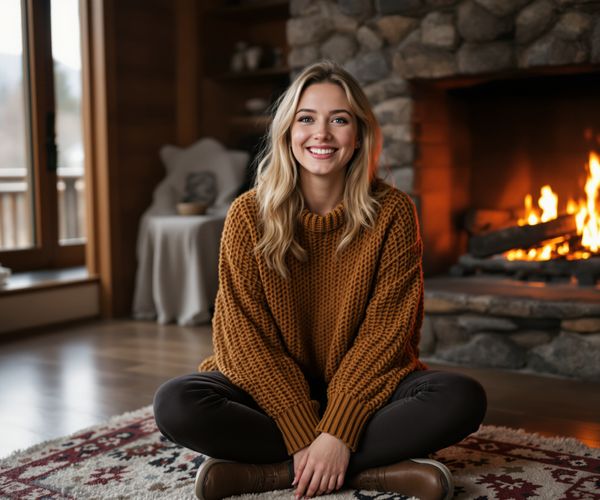
Composition is the art of arranging elements within your frame to create visually appealing images. One of the most well-known techniques is the Rule of Thirds. Imagine dividing your frame into nine equal parts with two horizontal and two vertical lines. Place key elements along these lines or at their intersections to create a balanced and engaging image. For example, when photographing landscapes, I often position the horizon along the top or bottom line, depending on whether I want to emphasize the sky or the foreground. {image1}
Leading lines are another powerful tool. Use natural or man-made lines, such as roads, rivers, or fences, to draw the viewer's eye into the photograph and create a sense of depth. In Berlin, I love using the Spree River as a leading line to guide the viewer towards the city's iconic landmarks.
Framing involves using elements in the foreground to create a frame around your subject. This can add depth and context to your photos. For instance, shooting through an archway or using tree branches to frame a distant mountain can create a sense of intimacy and draw the viewer's attention to the main subject.
Perspective is key to finding unique angles. Don't be afraid to get low to the ground or climb to a higher vantage point to capture a different view. Experiment with different viewpoints to find the most compelling composition.
Symmetry and patterns can create visually striking images. Look for symmetrical buildings, reflections in water, or repeating patterns in nature. These elements can add a sense of order and harmony to your photos.
Don't forget about foreground elements! Adding interesting details in the foreground can add depth and scale to your landscape photos. Think about including rocks, flowers, or even people to give your image a sense of place.
Harnessing the Power of Light
Light is arguably the most important element in photography. Understanding how light affects your subject can make or break a photo. The 'golden hour,' the hour after sunrise and the hour before sunset, is renowned for its warm, soft light that enhances colors and creates beautiful shadows. Similarly, the 'blue hour,' the period just before sunrise and after sunset, offers a cool, ethereal light that's perfect for cityscapes and landscapes.
Working with natural light in different conditions is essential. On sunny days, look for open shade to avoid harsh shadows. On cloudy days, the soft, diffused light can be ideal for portraits and close-up shots. Overcast conditions can create a moody atmosphere, perfect for capturing dramatic landscapes.
Shooting in challenging lighting situations requires some creativity. In midday sun, try shooting in shaded areas or using a polarizing filter to reduce glare. In low light, use a tripod and a wide aperture to capture as much light as possible. Increase the ISO, but be mindful of noise levels.
Shadows and contrast can add drama and dimension to your images. Experiment with different light angles to see how shadows fall on your subject. High contrast can create a bold, graphic look, while low contrast can create a softer, more subtle feel.
Pay attention to the direction of light. Front lighting illuminates the subject directly, side lighting creates shadows and highlights, and backlighting can create silhouettes or a soft, glowing effect.
Capturing Unique Moments and Details
Focus on the details that tell a story about the place you're visiting. Capture the intricate patterns on a building, the vibrant colors of a local market, or the texture of a weathered stone wall. These details can add depth and authenticity to your travel photos.
Candid moments of locals can provide a glimpse into the culture and everyday life of a place. Ask for permission before taking photos, and be respectful of their customs and traditions. Capture people interacting, working, or simply going about their daily routines.
Don't forget to photograph food, architecture, and street scenes. Food is an integral part of any culture, so capture the local cuisine in all its glory. Architecture can showcase the history and design of a place. Street scenes can capture the energy and atmosphere of a city.
Patience is key to capturing the right moment. Sometimes, you need to wait for the perfect light, the right expression, or the ideal composition. Be prepared to wait, and don't be afraid to miss a few shots in the process.
To capture action shots, use a fast shutter speed to freeze the motion. Experiment with panning, which involves following the subject with your camera while taking the photo. This can create a sense of speed and blur the background.
Incorporate storytelling into your photos by capturing a series of images that tell a narrative. Think about the beginning, middle, and end of a story, and capture images that convey those elements.
Creative Techniques and Ideas
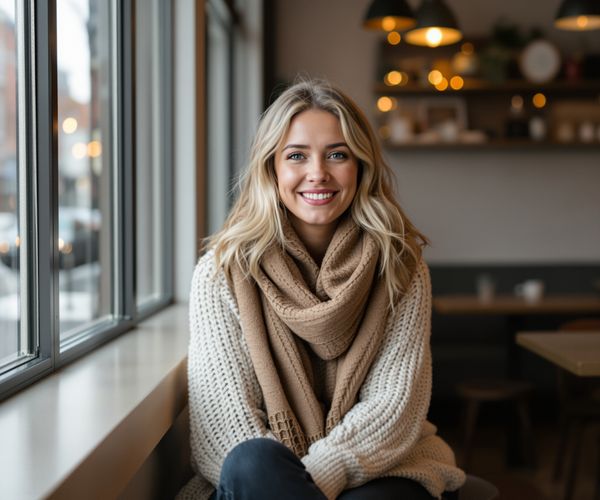
Reflections can create interesting compositions. Look for reflections in water, mirrors, or even puddles. Reflections can add symmetry, depth, and a touch of surrealism to your photos. One of my favorite spots in Copenhagen is the waterfront, where the buildings reflect beautifully in the harbor. {image2}
Experiment with long exposure photography to capture motion blur. Use a tripod and a slow shutter speed to blur moving objects, such as cars, clouds, or water. This can create a sense of movement and energy in your photos.
Black and white photography can create a different mood. Convert your color photos to black and white to emphasize textures, shapes, and tones. Black and white can be particularly effective for portraits and landscapes.
Look for unique perspectives and shoot from unusual angles. Get low to the ground, climb to a higher vantage point, or tilt your camera to create a different view. These techniques can add visual interest and make your photos stand out.
If you have the opportunity, consider shooting from rooftops. Many cities offer rooftop bars or observation decks that provide stunning views. These vantage points can be perfect for capturing cityscapes and sunsets.
Try adding creative elements to your photos, such as maps, postcards, or souvenirs. These elements can add context and personality to your images, making them more memorable.
Enhance your travel photography with Mette Møller's expert tips. Learn about camera gear, composition, lighting, and creative techniques to capture stunning travel memories.