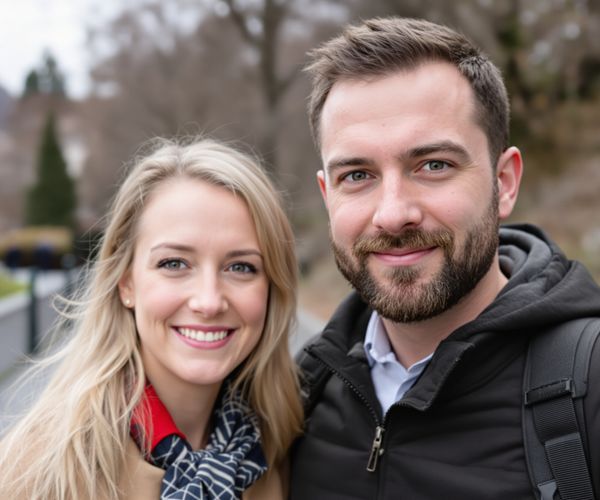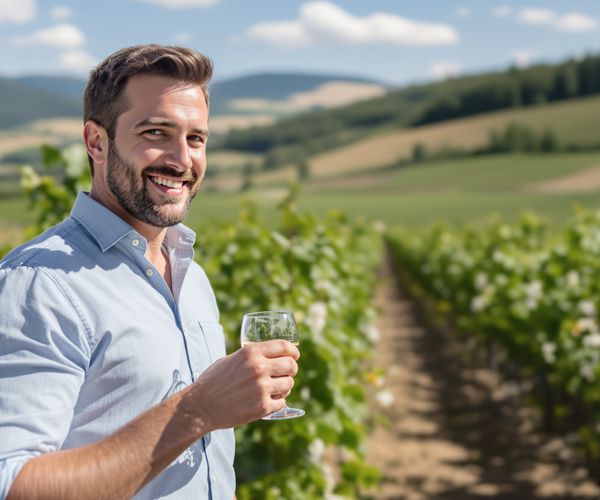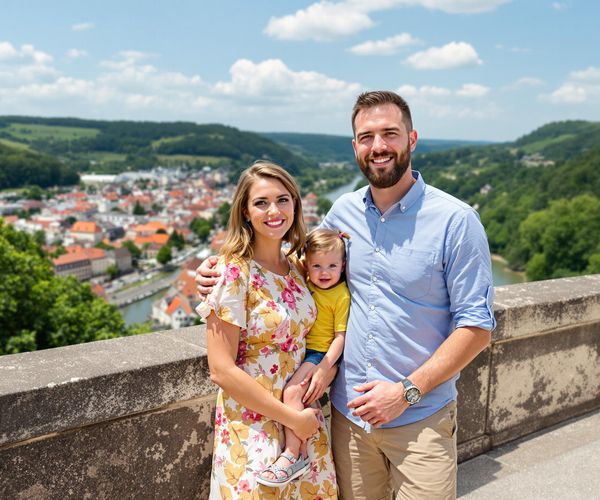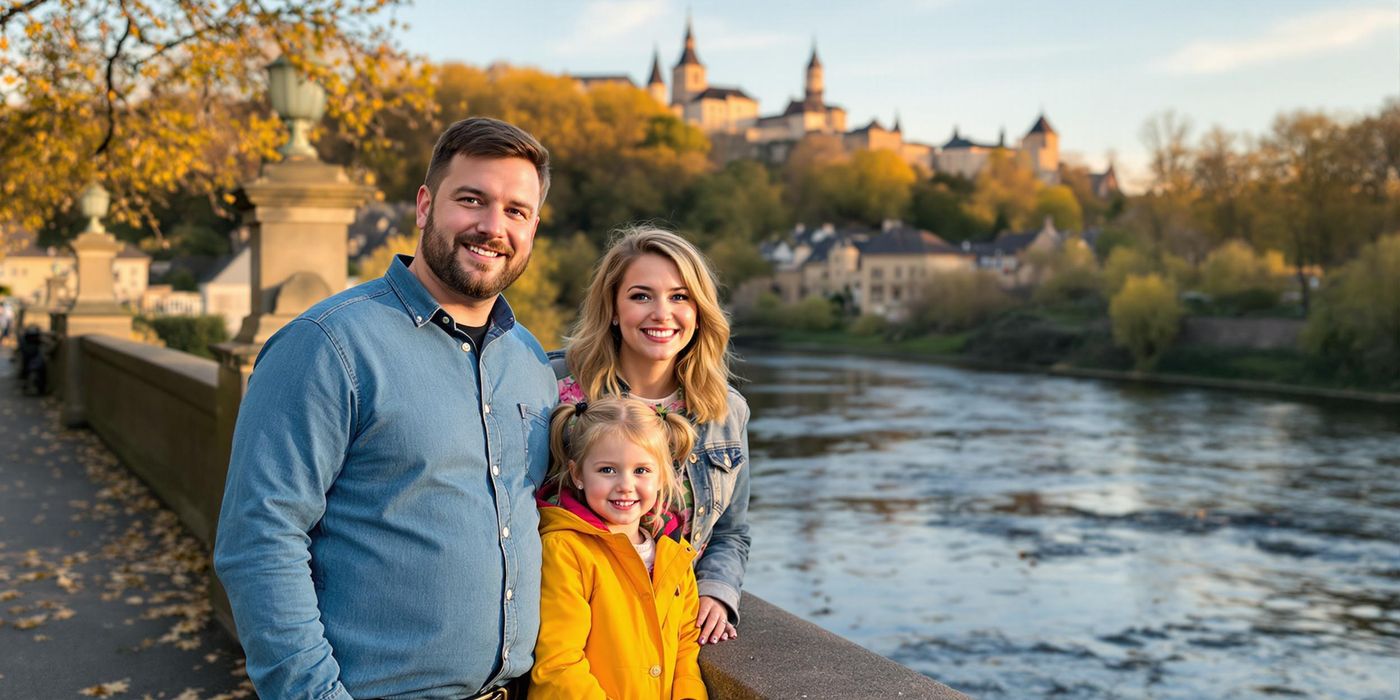
Hey everyone, Michael here! As you know, I love exploring the German countryside, especially with Lena and Sophie. Recently, I've been trying to up my photography game to better capture the stunning landscapes we encounter. Whether it's the rolling hills around Heidelberg or the majestic views along the Neckar River, I want to do these scenes justice. So, I've been diving deep into landscape photography, and I wanted to share some tips I've picked up along the way. Hopefully, these will help you capture some amazing shots on your own adventures!
Choosing the Right Gear for Landscape Photography
Okay, let's talk gear. I know, it can be a rabbit hole, but it doesn't have to be! When I started, I was using just my phone. Now, I've upgraded, but I'm still not breaking the bank. For camera bodies, something reliable from Canon, Nikon, or Sony will do the trick. I personally use a Canon, but it really comes down to personal preference and what feels good in your hands.
Lenses are where you can really make a difference. A wide-angle lens is essential for capturing those expansive vistas. Think something in the 16-35mm range. I also like having a telephoto lens (like a 70-200mm) for picking out details in the distance or compressing perspective. Don't forget a good mid-range zoom too. I can't stress enough how important a sturdy tripod is, especially when the light gets low, or you want to use longer exposures. It's like the foundation for a good homebrew – stability is key! And finally, playing around with polarizing and ND filters can be a game changer.
Understanding Natural Light and Timing Your Shots
Light is everything in photography, and understanding natural light is crucial for landscapes. The golden hour (that magical time just after sunrise and before sunset) is when the light is soft, warm, and flattering. The blue hour (just before sunrise and after sunset) offers a cooler, more moody vibe. These times are perfect for capturing dramatic landscapes. I love getting up early and hiking to a good spot before sunrise. There's something special about watching the world wake up.
Weather also plays a huge role. A cloudy day can diffuse the light and create a soft, even look. A sunny day can bring out vibrant colors and strong shadows. Fog can add a sense of mystery and atmosphere. Each condition offers unique opportunities. Pay attention to the forecast and plan your shoots accordingly. Remember those hikes I've done? It's all about being in the right place at the right time. To create depth and dimension, position yourself so the sun is hitting the landscape from the side. This creates shadows and highlights that emphasize the textures and shapes.
Planning is key. Use apps to track sunrise and sunset times, and scout locations beforehand. The more prepared you are, the better your chances of capturing that perfect shot.
Composition Techniques for Stunning Landscapes
Composition is how you arrange the elements within your frame to create a visually appealing image. There are a few basic rules that can help you get started. The rule of thirds is a classic: imagine dividing your frame into nine equal parts with two horizontal and two vertical lines. Place key elements along these lines or at their intersections to create a balanced and interesting composition. Leading lines are another great tool. Use natural lines, like roads, rivers, or fences, to draw the viewer's eye into the scene. Symmetry can also be effective, especially when photographing reflections or architectural elements.
Foreground interest is essential for creating depth in your images. Find something in the foreground, like a rock, a flower, or a tree, to add context and scale. This helps to draw the viewer into the scene and create a sense of immersion. When I'm walking along the Neckar River, I'm always looking for interesting foreground elements to incorporate into my shots. Color and contrast can also be used to create a sense of balance. Use complementary colors (like blue and yellow) to create visual interest, and pay attention to the contrast between light and dark areas.
Don't be afraid to experiment! Try different perspectives and angles to find unique and compelling compositions. Get down low, climb up high, or shoot from an unusual angle. The more you experiment, the more you'll develop your own style and vision.
Camera Settings for Landscape Photography
Now, let's dive into the technical side of things. Getting your camera settings right is crucial for capturing sharp, well-exposed landscapes. For aperture, aim for a smaller aperture (like f/8 or f/11) to maximize depth of field and ensure that everything in your scene is in focus. Shutter speed will depend on the lighting conditions and whether you're using a tripod. If you're shooting handheld, keep your shutter speed fast enough to avoid camera shake (e.g., 1/100th of a second or faster). If you're using a tripod, you can use slower shutter speeds to capture motion blur or to let in more light.
ISO should be kept as low as possible (usually ISO 100) to minimize noise and maximize image quality. White balance is another important setting. Auto white balance can work well in many situations, but sometimes it's better to choose a specific white balance setting (like daylight, cloudy, or shade) to accurately render the colors in your scene. Shooting in RAW format is essential for landscape photography. RAW files contain much more information than JPEGs, giving you greater flexibility in post-processing. You can adjust the exposure, white balance, and other settings without sacrificing image quality.
To achieve maximum sharpness, use manual focus and focus on a point about one-third of the way into the scene. This will ensure that everything from the foreground to the background is reasonably sharp. Focus stacking is another technique that can be used to achieve even greater depth of field. This involves taking multiple shots of the same scene with different focus points and then combining them in post-processing.
Enhance your travel photography skills with tips on capturing stunning landscapes, perfect for showcasing your outdoor adventures.