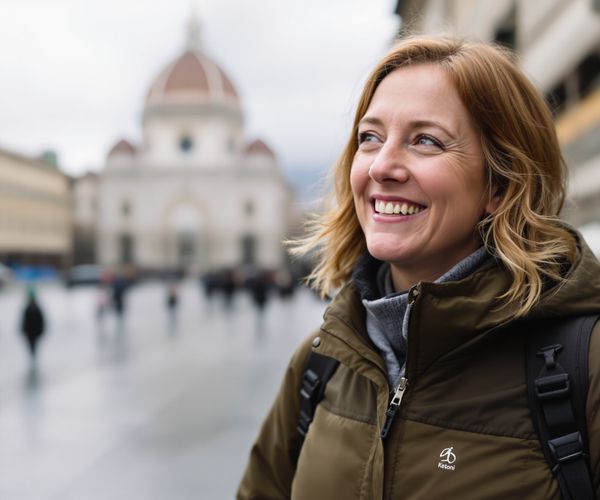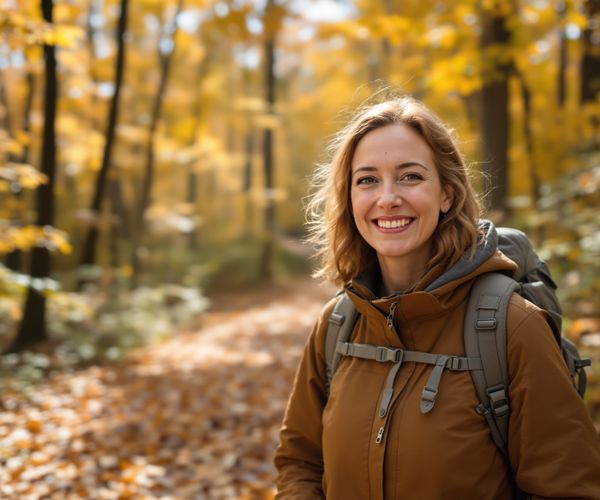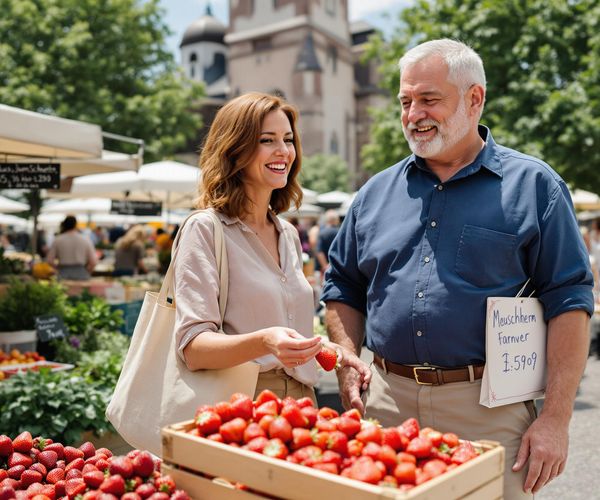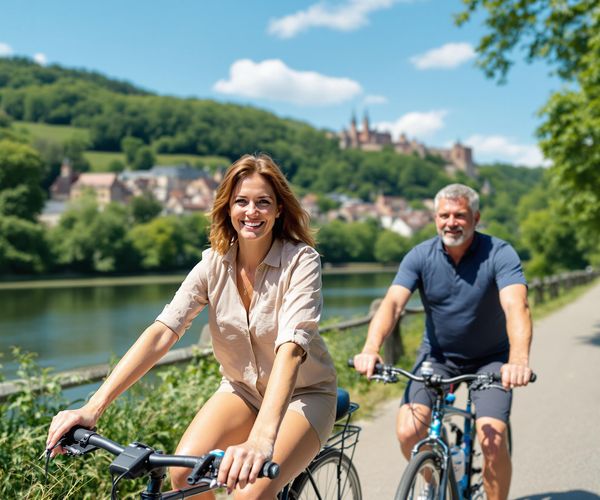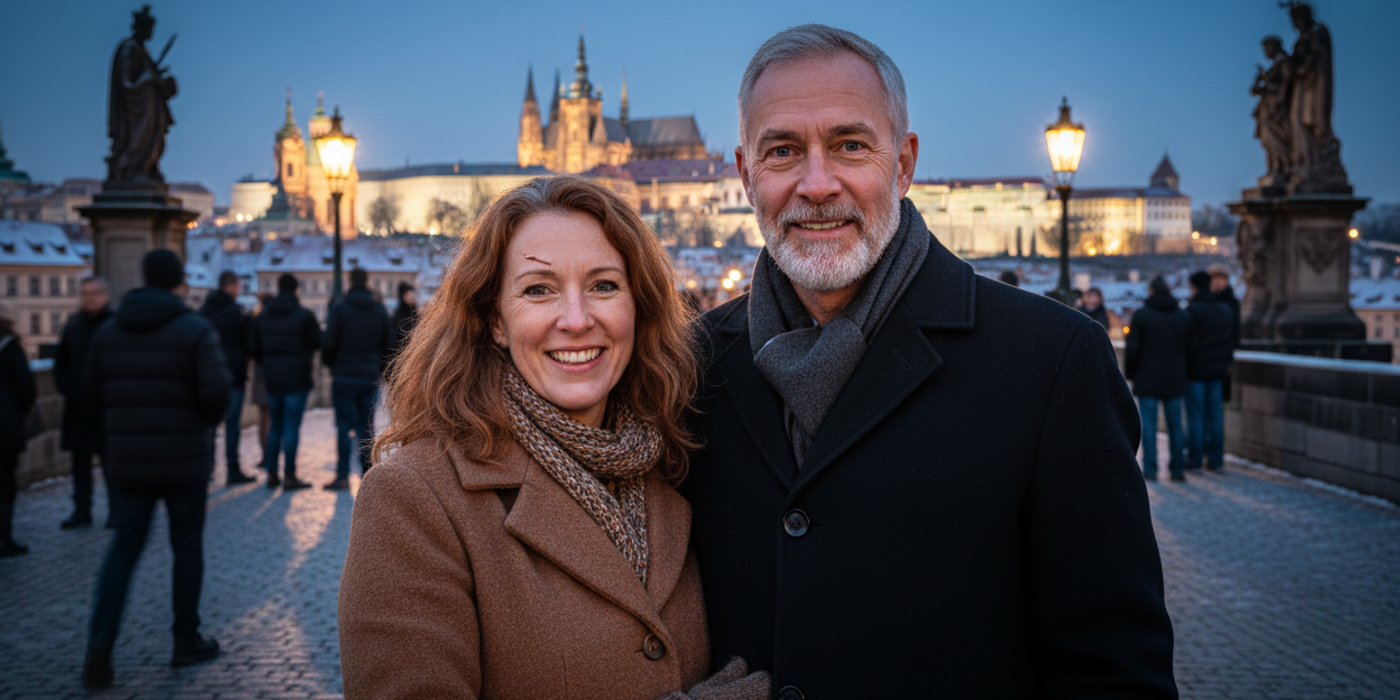
Hello fellow travelers! Michelle here, ready to share my passion for capturing the world through a lens. For me, travel isn't just about seeing new places; it's about preserving those precious moments and sharing them with others. So, grab your camera (or your phone!), and let's dive into the wonderful world of travel photography.
The Essence of Travel Photography
Travel photography is more than just taking pretty pictures; it's about documenting your journey, preserving memories, and sharing unique experiences with the world. It's a way to relive those incredible moments, feel the emotions again, and tell stories that words alone cannot capture. For me, photography has always been an integral part of my travels. Whether it's the vibrant colors of a bustling market in Marrakech or the serene beauty of a sunrise over the Swiss Alps, I want to capture it all.
In the digital age, travel photography has become incredibly accessible. With smartphones boasting impressive camera capabilities, anyone can become a travel photographer. The evolution of technology has democratized the art form, making it easier than ever to document your adventures and share them with the world.
Gear Essentials: What You Really Need
When it comes to gear, it's easy to get caught up in the latest and greatest equipment. However, the best camera is often the one you have with you. For travel photography, balancing quality and portability is key.
Smartphones have come a long way and can produce stunning images, especially in good lighting conditions. They're lightweight, convenient, and always with you. However, dedicated cameras offer more control over settings like aperture, shutter speed, and ISO, allowing for greater creative flexibility.
If you're considering a dedicated camera, I recommend a versatile zoom lens that can cover a range of focal lengths. A 24-70mm or 24-105mm lens is a great option for capturing landscapes, portraits, and everything in between. Personally, I'm a fan of my Sony Alpha series camera paired with a Tamron 28-200mm lens. It's lightweight, weather-sealed, and delivers excellent image quality.
Mastering Composition: Seeing the World Through a New Lens
Composition is the foundation of a great photograph. It's how you arrange the elements within your frame to create a visually appealing and engaging image. One of the most well-known composition techniques is the rule of thirds. Imagine dividing your frame into nine equal parts with two horizontal and two vertical lines. Placing key elements along these lines or at their intersections can create a more balanced and dynamic composition.
Leading lines are another powerful tool for guiding the viewer's eye through the image. Use roads, rivers, or fences to draw the viewer into the scene and create a sense of depth. Symmetry can also be used to create striking images, especially in architectural photography. Look for reflections, patterns, and repeating elements to create a sense of balance and harmony.
Don't be afraid to experiment with different perspectives. Get down low, climb up high, and try shooting from unusual angles. The more you experiment, the more you'll develop your own unique style. I remember once, in Iceland, I was trying to capture a waterfall. I wasn't happy with the standard shots everyone else was taking. So, I decided to wade into the freezing water (with waterproof boots, of course!) and shoot from a low angle, with the cascading water filling the frame. The resulting image was one of my favorites from that trip!
The Magic of Light: Capturing the Perfect Moment
Light is everything in photography. It can make or break an image. Understanding how to use natural light is essential for travel photography. The golden hour, the hour after sunrise and the hour before sunset, is a magical time for photography. The warm, soft light during these times creates a beautiful glow and adds a sense of warmth to your images. The blue hour, the period just before sunrise and after sunset, is another great time for photography. The cool, soft light during this time creates a sense of mood and atmosphere.
Harsh sunlight can be challenging, but there are ways to handle it. Try shooting in the shade or waiting for a cloudy day. You can also use a diffuser to soften the light. Low light can also be tricky, but you can use a tripod to stabilize your camera and use a slower shutter speed. I have a shot from Prague taken during blue hour that I am particularly proud of. The Charles Bridge was softly lit, and the Vltava River reflected the city lights, creating a dreamy, ethereal scene.
People and Culture: Capturing Authentic Moments
When photographing people and cultures, it's important to be respectful and ethical. Always ask for permission before taking someone's photo, and be mindful of cultural sensitivities. Interact with locals, learn about their customs, and show genuine interest in their lives. The more you connect with people, the more authentic your photos will be.
Portraits can be a powerful way to tell stories. Focus on capturing the subject's personality and emotions. Candid shots can also be incredibly revealing. Look for moments of genuine interaction and emotion. During a trip to India, I spent some time photographing a group of women making traditional crafts. I asked if I could take their photos, and they happily agreed. As I photographed them, they shared stories about their lives and their craft. It was a truly meaningful interaction, and the photos I took captured the essence of their culture and their spirit.
Post-Processing: Enhancing Your Images
Post-processing is an important part of the photography workflow. It allows you to enhance your images and bring out their full potential. However, it's important to avoid over-editing. The goal is to enhance the image, not to change it completely. Start with basic adjustments like exposure, contrast, and color balance. Then, you can fine-tune the details with adjustments like sharpening and noise reduction.
There are many user-friendly photo editing software and apps available. Adobe Lightroom and Photoshop are popular choices, but there are also many free options like GIMP and Darktable. For mobile editing, I recommend Snapseed and VSCO. My personal workflow involves importing my photos into Lightroom, making basic adjustments, and then exporting them for sharing. I try to keep my edits subtle and natural, focusing on enhancing the existing qualities of the image. I am also careful to adjust white balance and exposure to be as accurate as possible.
Preserving and Sharing Your Memories
Once you've captured and edited your travel photos, it's important to preserve them. Organize your photos into folders and back them up to multiple locations, such as an external hard drive and a cloud storage service. This will prevent you from losing your precious memories in case of a computer crash or other disaster.
Consider creating photo albums, prints, or other tangible mementos. There's something special about holding a physical print in your hand and reliving those memories. You can also share your travel photos on social media and engage with other photographers. Use relevant hashtags to reach a wider audience and connect with like-minded individuals. I personally love creating photo albums for each of my trips. It's a wonderful way to relive the memories and share them with friends and family. I also share my photos on my blog, where I can tell the stories behind the images and inspire others to travel. I also like to print my photos and frame them around my house to remind me of my travels.
Learn how to improve your travel photography with Michelle's tips on composition, lighting, and capturing genuine moments.