Understanding Sustainable Travel
Sustainable travel in 2026 means balancing our desire for adventure with the need to protect the environment and support local communities. It's about making choices that minimize our negative impact while maximizing the positive contributions we can make during our journeys. Tourism significantly impacts global CO2 emissions, and it's more critical than ever to adopt eco-conscious practices.
My journey into sustainable travel began years ago, sparked by a deep love for nature instilled during my upbringing in New Zealand. Witnessing firsthand the delicate balance of ecosystems, I felt a responsibility to travel in a way that respects and preserves the places I visit. Now living in Heidelberg, Germany, with my husband Klaus, I strive to integrate sustainable practices into every aspect of my life, including our travels.
Planning a Sustainable Trip: Before You Go
The foundation of sustainable travel lies in thoughtful planning. Start by choosing destinations wisely. Consider less-visited locations or travel during off-peak seasons to reduce overcrowding and support lesser-known economies. For example, instead of the bustling beaches of the Mediterranean in July, consider exploring the serene coast of Croatia in the shoulder seasons.
Accommodation choices matter significantly. Research eco-certified hotels and lodges that have implemented sustainable policies, such as water conservation, waste reduction, and energy efficiency. Many certifications exist, such as LEED or Green Globe, which ensure that the accommodations meet specific environmental standards.
Packing smart is another crucial step. Opt for eco-friendly toiletries, reusable water bottles, and lightweight luggage. Minimizing luggage weight not only reduces fuel consumption during transportation but also makes your journey more manageable. I always pack my bamboo toothbrush, solid shampoo bars, and a compact, reusable shopping bag.
Eco-Friendly Transportation Choices
Transportation is a major contributor to carbon emissions, so choosing low-carbon options is essential. Prioritize trains, buses, and cycling over flights whenever possible. Train travel, for instance, offers a scenic and often more relaxing alternative to flying, with a significantly lower carbon footprint.
When navigating cities, utilize public transportation such as electric buses and shared transport options. Many cities now offer comprehensive networks of electric buses and trams, making it easy to explore without relying on private vehicles. In Heidelberg, Klaus and I frequently use the Strassenbahn (tram) to get around, enjoying the city views along the way.
If renting a car is necessary, consider electric or hybrid models. Plan your routes carefully, taking into account the availability of charging stations. Apps like PlugShare can help you locate charging points along your journey, ensuring a smooth and sustainable road trip.
Responsible Tourism Practices
Responsible tourism is about supporting local economies and engaging with communities in a respectful and meaningful way. Choose locally-owned hotels, restaurants, and shops to ensure that your money directly benefits the people who live in the destination. Avoid international chains, which often extract profits from the local economy.
Engage with local communities by participating in community-led cultural programs and workshops. These experiences offer authentic insights into the local way of life and provide opportunities to support local artisans and entrepreneurs. During a trip to Peru, Klaus and I participated in a weaving workshop led by indigenous women, learning about their traditions and contributing to their economic empowerment.
Respect local customs and rules by being mindful of cultural etiquette and traditions. Research appropriate attire, greetings, and behaviors before your trip to avoid causing offense or disrespect. Simple gestures like learning a few basic phrases in the local language can go a long way in fostering positive interactions.
Minimizing Environmental Impact
Reducing waste is a fundamental aspect of sustainable travel. Avoid single-use plastics by bringing your own reusable water bottles, coffee cups, and shopping bags. Say no to plastic straws and opt for reusable alternatives. When possible, choose products with minimal packaging or packaging made from recycled materials.
Conserve resources by being mindful of water and energy consumption in your accommodations. Turn off lights and air conditioning when you leave your room, and take shorter showers to conserve water. Consider supporting accommodations that have implemented water and energy-saving measures.
Offsetting carbon emissions is another way to mitigate your environmental impact. Contribute to reforestation and sustainable energy projects that help to absorb carbon dioxide from the atmosphere. Several organizations offer carbon offsetting programs, allowing you to invest in projects that align with your values. I often donate to organizations that plant trees in the Amazon rainforest, helping to restore this vital ecosystem.
Tasting Local: Sustainable Food and Drink
Food and drink are integral parts of the travel experience, and choosing sustainable options can make a significant difference. Eat at local restaurants to support the community and avoid international chains. Local eateries often use fresh, locally sourced ingredients, reducing the carbon footprint of food transportation.
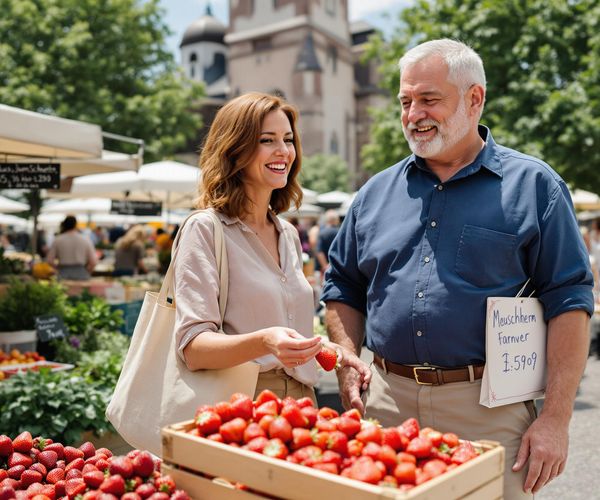
Choose seasonal and locally sourced foods to further minimize your environmental impact. Seasonal produce requires less energy to grow and transport, and buying local supports local farmers and producers. Visit farmers' markets to discover fresh, regional specialties and connect with the people who grow your food. In Heidelberg, I love exploring the Wochenmarkt (weekly market) for seasonal fruits, vegetables, and local cheeses.
Drink locally produced beverages to support local businesses and reduce waste from disposable cups. Opt for local wines, beers, and juices served in reusable glasses or bottles. Many regions have thriving craft beverage industries that offer unique and sustainable alternatives to mass-produced brands.
The Rise of Regenerative Travel
Regenerative travel goes beyond sustainability by actively restoring ecosystems and strengthening local resilience. It's about leaving a place better than you found it, contributing to its long-term well-being.
Choose destinations that prioritize regenerative practices, supporting tourism that funds biodiversity and cultural preservation. Look for accommodations and tour operators that actively engage in conservation efforts and community development. In Costa Rica, for example, many eco-lodges support reforestation projects and wildlife conservation programs.
Participate in conservation efforts by volunteering for reforestation projects or wildlife monitoring programs. These hands-on experiences offer opportunities to connect with nature and contribute to meaningful conservation outcomes. During a trip to Borneo, Klaus and I volunteered with a local organization that rehabilitates orphaned orangutans, helping to prepare them for release back into the wild.
Sustainable Travel with Technology
Technology can be a powerful tool for making eco-friendly choices while traveling. Utilize apps to find sustainable accommodations, restaurants, and transportation options. Apps like BookDifferent and HappyCow can help you identify eco-certified hotels and vegan-friendly restaurants.
Digital solutions can also help reduce waste. Opt for mobile passes and digital passports to avoid paper tickets and documents. Many airlines and transportation providers now offer digital boarding passes and tickets, making it easy to travel paper-free.
AI-powered personalization can tailor travel plans for efficiency and lower environmental impact. AI algorithms can optimize routes, suggest eco-friendly activities, and provide personalized recommendations based on your preferences and values. These technologies can help you make informed decisions and reduce your environmental footprint.
Explore the principles of sustainable travel with Michelle's practical tips on reducing your carbon footprint while exploring the world.