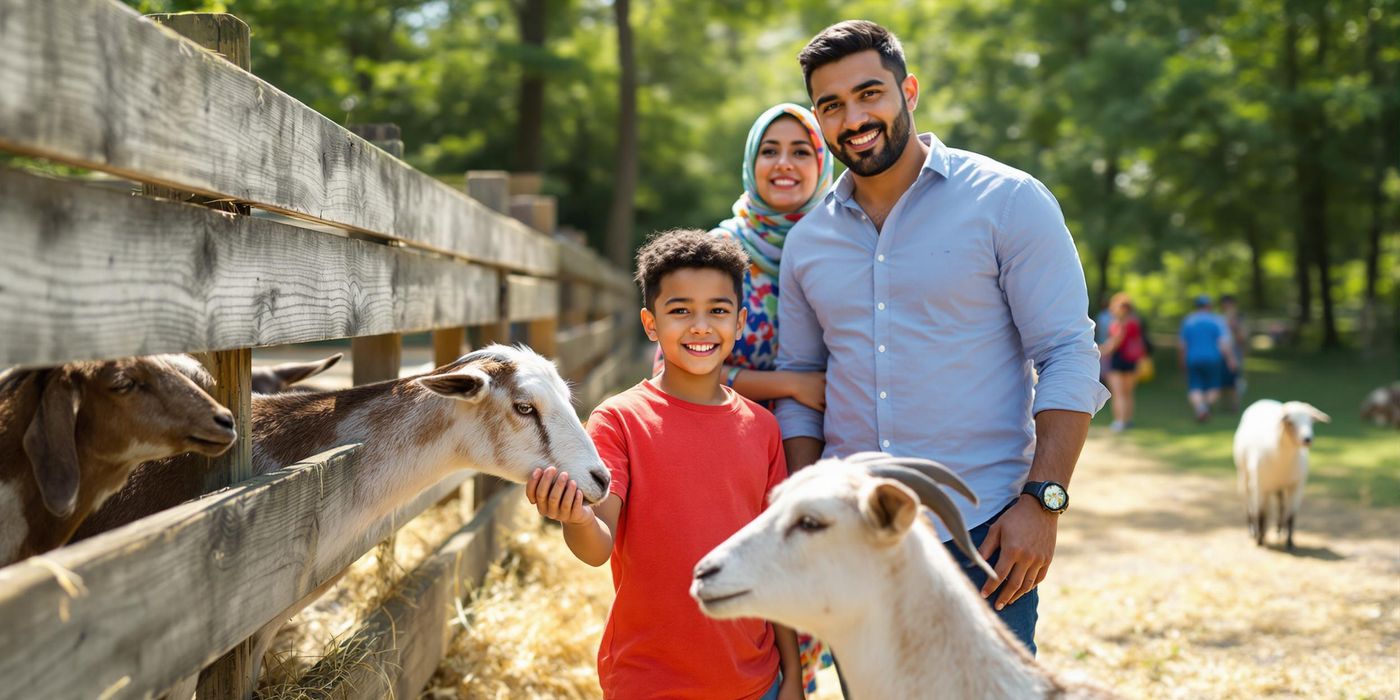
Family trips are more than just seeing new places; they're about creating lasting memories. As someone who cherishes these moments, I've learned that capturing them through photography is an art. It's not just about having a fancy camera; it's about telling a story. Here are some tips I've picked up over the years, hoping they'll help you document your own family adventures in a way that's authentic and meaningful.
Choosing the Right Camera for Your Family Adventures
Selecting the right camera for your family adventures is crucial. It’s got to be something that fits your lifestyle and travel style. Portability is key when you’re juggling kids and luggage. Durability is also important – let's face it, travel can be rough on equipment. And, of course, it needs to be easy to use so you don’t miss those precious, fleeting moments.
Let's break down the options: Smartphones are super convenient, always in your pocket. Compact cameras offer a step up in image quality and zoom capabilities. Mirrorless cameras strike a balance between size and performance, with interchangeable lenses. DSLRs are the big guns, offering the best image quality and control, but they can be bulky. For family travel, I often find a compact or mirrorless camera to be the sweet spot. But honestly, sometimes my smartphone is all I need, especially for quick snapshots.
For specific recommendations, the Canon PowerShot G7X Mark III is a fantastic all-rounder. The Fujifilm X100VI is great for street photography and has a retro feel. And the Sony Alpha series offers excellent image quality and versatility. Consider your budget and skill level when making your choice. Look for user-friendly features like image stabilization and fast autofocus, which are essential when photographing kids on the move – especially Omar!
Don't forget accessories! Extra batteries are a must. A versatile zoom lens can save you from carrying multiple lenses. A compact tripod can be useful for group shots or low-light situations. And a good camera bag or protective case will keep your gear safe.
Mastering Smartphone Photography for Travel
The saying goes, the best camera is the one you have with you. And these days, that's often your smartphone. Modern smartphones are incredibly capable, and you can capture some amazing travel photos with them. Don't underestimate the power of your phone's camera!
Get to know your smartphone's camera settings. HDR mode can balance bright and dark areas in high-contrast scenes. Panorama mode is perfect for sweeping landscapes. Portrait mode creates a shallow depth of field, blurring the background and making your subject stand out. Burst mode is great for capturing action shots – perfect for those unpredictable kid moments.
Natural light is your best friend. Avoid using the flash whenever possible, especially indoors. Flash can create harsh shadows and wash out colors. Instead, try to position yourself near a window or in a well-lit area.
There are some fantastic mobile photography apps available for editing on the go. Lightroom Mobile and Snapseed are two of my favorites. They allow you to make quick adjustments to brightness, contrast, and color, transforming your photos from good to great in seconds.
Consider investing in some accessories to enhance your mobile photography. A portable tripod can help you take steady shots in low light. Clip-on lenses can add wide-angle or macro capabilities to your phone's camera. And a phone stabilizer can help you capture smooth video footage.
Composition Techniques for Stunning Family Travel Photos
Composition is key to creating visually appealing photos. It's how you arrange the elements within your frame to tell a story and guide the viewer's eye. One of the most fundamental composition techniques is the Rule of Thirds.
Imagine dividing your frame into nine equal parts with two horizontal and two vertical lines. Place your subject at one of the intersections of these lines, or along one of the lines themselves. This creates a more balanced and interesting composition than simply placing your subject in the center of the frame.
Leading lines, symmetry, and framing can also add depth and interest to your photos. Leading lines draw the viewer's eye into the scene. Symmetry creates a sense of balance and harmony. Framing uses elements in the foreground to create a frame around your subject, adding depth and context.
Don't be afraid to experiment with different angles and perspectives. Get down low to capture a child's-eye view of the world. Shoot from above to create a sense of scale. Tilt your camera to create a dynamic, off-kilter composition.
Use foreground elements to create depth and context. A flower in the foreground of a landscape shot can add a pop of color and draw the viewer's eye into the scene. Including local elements, like architecture or street signs, can help capture the essence of a place.
Capturing Candid Moments: The Heart of Family Travel Photography
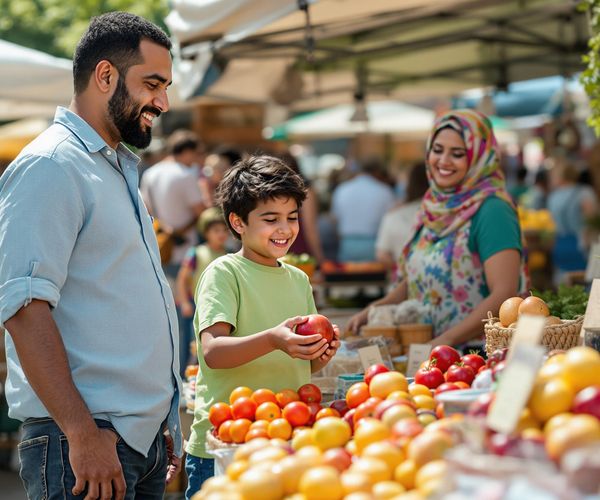
While posed photos have their place, candid moments are where the real magic happens. These are the photos that capture authentic emotions and spontaneous interactions, the ones that truly tell the story of your family's travels.
The key to capturing candid moments is to blend into the background and be ready to shoot at a moment's notice. Don't interrupt the scene or ask people to pose. Just observe and wait for the right moment to capture those genuine expressions.
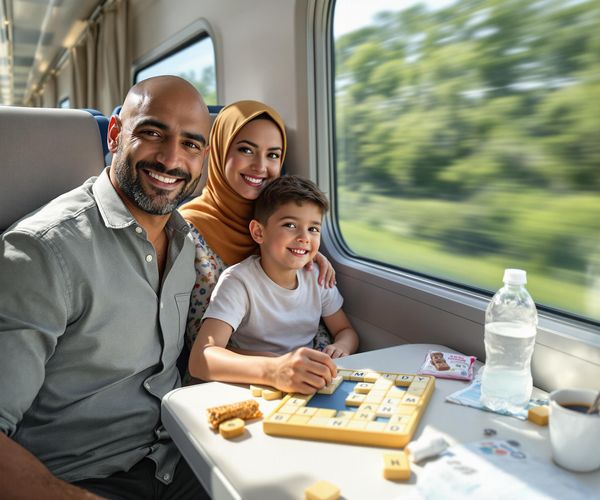
Sometimes, a little prompting can help encourage natural interactions. Ask your kids to tell you about what they're seeing, or play a game together. These activities can create opportunities for capturing candid moments without feeling forced.
Patience is key. It takes time to anticipate and capture genuine emotions. Be observant and watch for those fleeting moments of joy, wonder, or connection. When you see them, be ready to press the shutter.
Remember to be respectful when photographing people, especially in different cultures. Always ask for permission before taking someone's photo, and be mindful of their customs and traditions. A smile and a simple gesture can go a long way.
Technical Tips for Sharp and Well-Exposed Photos
Even with the best composition and the most candid moments, technical issues can ruin a photo. Focus is critical, especially when photographing moving subjects. Make sure your camera is focused on your subject's eyes, and use a fast shutter speed to freeze the action. This is especially important when trying to capture Omar's boundless energy!
Understanding the exposure triangle – aperture, shutter speed, and ISO – is essential for achieving optimal image quality in various lighting conditions. Aperture controls the depth of field, shutter speed controls the amount of motion blur, and ISO controls the sensitivity to light. Experiment with these settings to find the right balance for each scene.
The golden hour, the period shortly after sunrise and before sunset, is a photographer's dream. The light is soft, warm, and flattering, creating beautiful tones and shadows. Whenever possible, plan your outdoor activities around the golden hour for the best possible lighting conditions.
A tripod is essential for low-light situations and capturing flowing water scenes. It allows you to use a slower shutter speed without introducing camera shake. This is especially useful for capturing smooth, silky water effects in waterfalls or streams.
Keep your camera steady and avoid using the zoom function excessively. Zooming in too much can degrade image quality. Instead, try to get closer to your subject whenever possible. If you must zoom, use a high-quality zoom lens and a tripod to minimize camera shake.
Preserving and Sharing Your Travel Memories
Once you've captured your travel memories, it's important to preserve them. Back up your photos regularly using portable hard drives or cloud storage. This will protect your precious memories from loss or damage. I can't stress this enough – I've learned this the hard way!
Use editing software or apps to enhance your photos. Basic adjustments like brightness, contrast, and color correction can make a big difference. Don't overdo it, though. The goal is to enhance the natural beauty of your photos, not to create something artificial.
Organize your photos into albums or create photo books to preserve your memories. This will make it easier to find and share your photos with family and friends. Photo books also make great gifts.
Share your travel photos with family and friends through social media, prints, or personalized gifts. Create a slideshow for a family gathering, or print your favorite photos and frame them for your home. There are countless ways to share your travel memories and keep them alive.
I encourage you to print and frame your favorite travel photos and enjoy them in your homes. These photos will serve as a constant reminder of your family's adventures and the special moments you shared together. They're more than just pictures; they're windows to the past, portals to cherished memories.
Practical photography tips tailored for family trips, focusing on capturing candid and meaningful moments.