As a librarian specializing in historical archives, I've always believed that understanding a culture requires delving into its past. But beyond the grand narratives of history books, there's another, equally compelling way to connect with a place: through its food. For me, culinary travel isn't just about ticking off Michelin-starred restaurants; it's about savoring the stories, traditions, and human connections woven into every dish. Join me as I share my experiences and tips for exploring world cuisines through travel.
The Allure of Culinary Travel
Food is more than just sustenance; it's a cultural artifact, a living testament to a region's history and its people's ingenuity. Think of the hearty stews of Ireland, reflecting the country's agricultural past and the need to make the most of simple ingredients. Or consider the delicate pastries of Vienna, a legacy of the Austro-Hungarian Empire's refined tastes. Each dish tells a story, and by tasting it, we become part of that narrative.
During my travels, I've had countless memorable culinary experiences. One that stands out is a visit to a small family-run bistro in Lyon, France. The bouchon served traditional Lyonnaise cuisine, and I remember savoring every bite of the quenelle, a delicate fish dumpling in a rich sauce. The owner, a jovial man with a twinkle in his eye, shared stories of his grandmother's recipes, passed down through generations. It was more than just a meal; it was a connection to the heart of Lyon.
Even here in Switzerland, the traditional dishes reflect the country's agricultural history and regional variations. From the Älplermagronen (Alpine macaroni and cheese) in the mountains to the Zürcher Geschnetzeltes (sliced veal in cream sauce) in Zurich, each region boasts its own culinary identity.
Seeking Authentic Local Flavors
Finding authentic local restaurants can be a challenge, especially in touristy areas. My advice? Venture off the beaten path. Look for places where locals are dining, and don't be afraid to ask for recommendations. Online reviews can be helpful, but always take them with a grain of salt. Sometimes, the best culinary experiences are found in the most unassuming places.
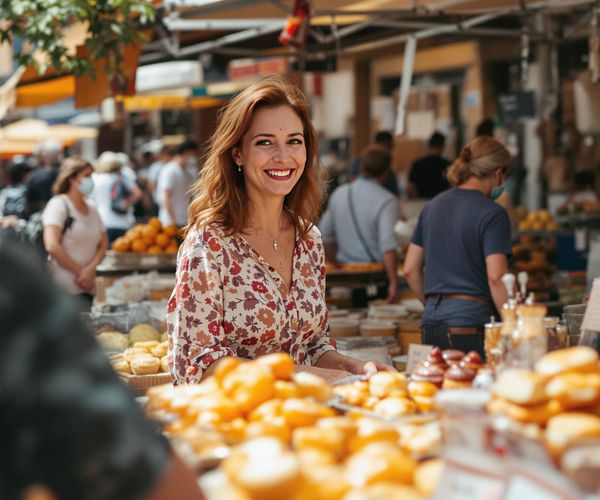
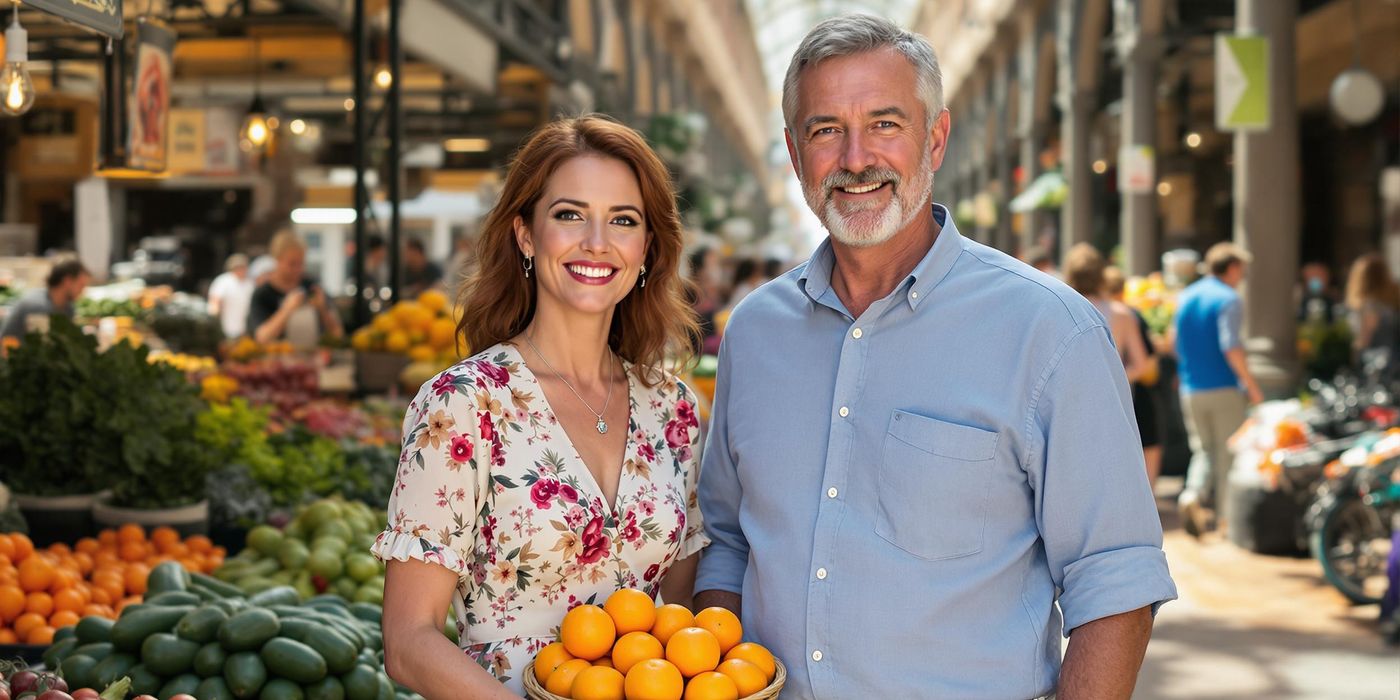
Local markets are a treasure trove of culinary delights. Exploring a bustling market, like the Markthalle Neun in Berlin or the Mercado Central in Valencia, is an experience in itself. You'll find fresh produce, local cheeses, artisanal breads, and a variety of street food vendors offering a genuine taste of the region.
Don't underestimate the power of a friendly conversation. As someone who enjoys chatting with locals, I've discovered some incredible hidden culinary gems simply by asking for recommendations. People are usually happy to share their favorite spots, and you might even get invited to a home-cooked meal! My open-mindedness and curiosity have led to some truly unforgettable culinary adventures.
Immersive Cooking Classes: A Hands-On Experience
Participating in a local cooking class is a fantastic way to immerse yourself in a culture and learn traditional recipes and techniques. You'll not only gain new culinary skills but also have the opportunity to interact with locals and learn about their culinary traditions firsthand.
I've taken cooking classes in several countries, from making pasta in Italy to rolling sushi in Japan. Each experience has been unique and enriching. In Tuscany, I learned the secrets to making perfect pappardelle from scratch, while in Thailand, I mastered the art of balancing sweet, sour, salty, and spicy flavors in a Tom Yum soup.
When searching for cooking classes, look for reputable schools or instructors with positive reviews. Consider the class size, the menu, and the level of instruction. Be prepared to get your hands dirty and don't be afraid to ask questions. Most importantly, have fun and embrace the experience!
The Joy of Food Festivals and Culinary Events
Food festivals are a celebration of local cuisine and culture, offering a vibrant and immersive experience for food lovers. From street food fairs to wine festivals, these events provide an opportunity to sample a wide variety of regional specialties and discover new culinary delights.
Before traveling, I always research local food festivals and culinary events. In France, I attended the Fête du Goût in Paris, a celebration of French gastronomy with stalls showcasing regional products from all over the country. In Switzerland, I enjoyed the Zibelemärit (Onion Market) in Bern, a traditional folk festival where farmers sell onions in artistic arrangements.
These events are not just about the food; they're about the atmosphere, the music, and the sense of community. You'll find locals and tourists alike, all sharing a passion for food and culture.
Wine and Food Pairings: Enhancing the Culinary Journey
As a wine enthusiast, I believe that pairing local wines with regional dishes can elevate the dining experience to a whole new level. The right wine can complement the flavors of a dish, enhancing its nuances and creating a harmonious balance.
The basic principle of wine and food pairing is to match the weight and intensity of the wine with the weight and intensity of the dish. Light-bodied wines pair well with light dishes, while full-bodied wines pair well with rich dishes. Consider the flavors and textures of both the wine and the food, and look for complementary or contrasting elements.
During my travels, I've discovered some exceptional wine and food pairings. In Burgundy, France, I savored a glass of Pinot Noir with a classic Boeuf Bourguignon, the earthy notes of the wine perfectly complementing the rich flavors of the beef stew. In the Swiss canton of Valais, I enjoyed a crisp Fendant with a traditional Raclette, the acidity of the wine cutting through the richness of the melted cheese.
Join Nathalie Bernard as she shares her experiences and tips for exploring world cuisines through travel, savoring the stories, traditions, and human connections woven into every dish.