Bonjour, fellow travelers! Nathalie here, ready to share some insights gleaned from my years of globetrotting and a lifelong love affair with languages. Whether you're a seasoned explorer or planning your first big adventure, knowing a few phrases in the local tongue can transform your trip from a simple vacation into an immersive cultural experience. Let's dive into the wonderful world of travel language basics!
Why Bother with the Basics?
Why indeed? In my experience, learning even a handful of phrases can unlock doors you never knew existed. It's about more than just convenience; it's about connection. Imagine ordering a coffee in Paris and being able to say Bonjour, un café s'il vous plaît instead of just pointing. The smile you receive in return is worth more than any guidebook.
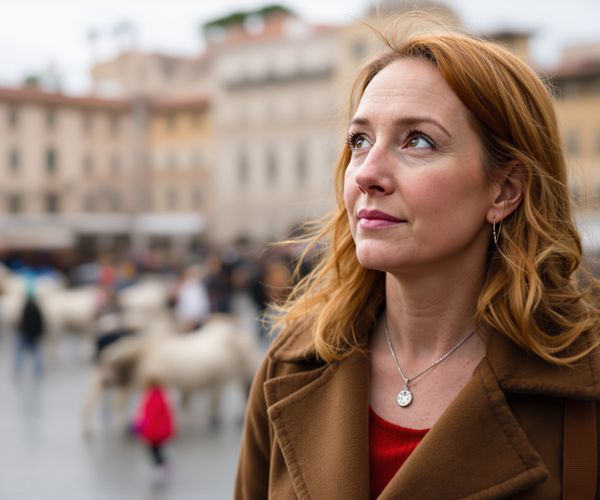
Knowing the basics enhances your travel experiences immeasurably. You're not just seeing a place; you're engaging with its people. It shows respect for their culture and customs, demonstrating that you've taken the time to learn something about them. I remember once being in a small village in Italy, trying to ask for directions. My attempts at Italian were clumsy, but the genuine appreciation from the locals was heartwarming. They went out of their way to help, and I ended up having a delightful conversation (albeit a broken one) about their village's history.
Pre-Trip Prep: Your Language Learning Toolkit
So, where do you start? Thankfully, we live in an age of incredible resources. My go-to recommendations include language learning apps like Duolingo, Memrise, and Babbel. Duolingo is fantastic for building vocabulary and grammar through gamified lessons. Memrise uses mnemonic devices and spaced repetition to help you memorize words and phrases more effectively. Babbel offers more in-depth courses focused on practical conversation skills.
Don't discount the charm of a good old-fashioned phrasebook or travel dictionary! They're still incredibly relevant, especially in areas with limited internet access. I always carry a small French-English dictionary with me, even when I'm just visiting family back home. It's comforting to have a tangible resource at hand.
Before you go, create a personalized phrase list based on your itinerary. If you're planning on spending a lot of time in restaurants, focus on phrases for ordering food and asking about ingredients. If you're visiting historical sites, learn vocabulary related to history and art. Prioritize essential phrases like greetings (Hello, Goodbye), directions (Where is…?), ordering food (I would like…), and asking for help (Can you help me?).
Effective Memorization Techniques
Memorizing new vocabulary can feel daunting, but there are techniques to make it easier. Spaced repetition is a scientifically proven method where you review words and phrases at increasing intervals. This helps move information from your short-term memory to your long-term memory.
Flashcards are another great tool, whether digital or physical. I personally prefer physical flashcards because I find the act of writing them out helps me remember the words better. Digital flashcards, however, are more convenient for travel.
Mnemonic devices can also be incredibly helpful. Create associations to remember words and phrases. For example, if you're trying to remember the French word for thank you (merci), you might associate it with the English word mercy. The sillier the association, the more likely you are to remember it!
Don't underestimate the power of immersive learning. Watch movies, listen to music, and read in the target language. Even if you don't understand everything, you'll start to pick up on patterns and rhythms. I love watching French films with English subtitles; it's a fun and relaxing way to improve my listening comprehension.
Language Learning on the Go
Travel time is precious, so make the most of it! Download podcasts and audio lessons to listen to on planes, trains, and buses. Language learning apps are also great for quick practice sessions during downtime.
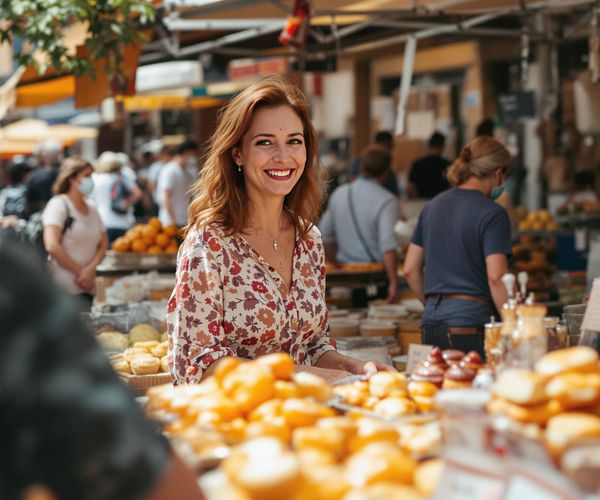
The best way to learn a language is to practice with native speakers. Seek out opportunities for conversation and immersion. Strike up conversations with locals in cafes, markets, or museums. Don't be afraid to make mistakes; it's all part of the learning process!
Embrace errors as part of the learning process. Everyone makes mistakes when learning a new language. The important thing is to learn from them and keep practicing. I still remember the time I accidentally ordered snails instead of salad in a French restaurant. It was embarrassing at the time, but now it's a funny story I love to tell!
Keep a language journal to track your progress and record new vocabulary. Write down new words and phrases you learn each day, along with their definitions and examples of how to use them in a sentence. Review your journal regularly to reinforce your learning.
Beyond Words: Cultural Tips for Effective Communication
Communication is about more than just words. Understanding non-verbal cues and body language is crucial for effective communication. Pay attention to how people use gestures, facial expressions, and body posture.
Respect cultural norms and etiquette. What is considered polite in one culture may be considered rude in another. Research local customs before you go, and be mindful of your behavior. For example, in Japan, it's customary to bow when greeting someone, while in some Middle Eastern countries, it's considered disrespectful to show the soles of your feet.
Be mindful of pronunciation and intonation. Even if you know the right words, mispronouncing them can lead to misunderstandings. Listen carefully to how native speakers pronounce words and try to imitate them. Pay attention to intonation, as well, as it can change the meaning of a sentence.
Learn about local customs and traditions related to communication. In some cultures, it's considered impolite to interrupt someone while they're speaking, while in others, it's perfectly acceptable. Understanding these nuances can help you avoid misunderstandings and build stronger relationships with locals.
Resources for Continued Learning
The journey of language learning never truly ends. There are countless resources available to help you continue your studies. Online language exchange partners and communities are a great way to practice your speaking skills with native speakers. Websites like HelloTalk and Tandem connect you with language learners from around the world.
Consider taking local language classes and workshops. Many community centers and language schools offer affordable courses for travelers. Immersion programs and language schools abroad are another option for intensive language learning. Spending time in a country where the language is spoken is the best way to truly master it.
And of course, never stop reading! Books and articles for further language study can provide valuable insights into grammar, vocabulary, and culture.
Nathalie shares her expertise on quickly learning essential phrases for travel, enhancing experiences and showing respect for local cultures.