Xin chào everyone! As someone who traded the vibrant coffee farms of Buon Ma Thuot for the bustling streets of Berlin, I know firsthand the transformative power of language. Learning German wasn't just about ordering a Currywurst (though that was definitely a perk!); it was about building a life, connecting with my community, and understanding a whole new culture. Today, I want to share my experiences and some practical tips for picking up languages while you travel, so you can unlock richer, more meaningful adventures.
Ngoc's Language Learning Journey: From Buon Ma Thuot to Berlin
Moving to Germany was a leap of faith. I had studied some German in Vietnam, but nothing prepared me for the rapid-fire conversations, the endless grammar rules, and the sheer exhaustion of trying to express myself in a new tongue. Simple tasks like grocery shopping or opening a bank account felt like climbing Mount Everest!
But I persevered. I understood that language was the key to integrating into my new home. It wasn't just about finding a job (though being a geriatric nurse certainly demanded fluency); it was about building relationships, understanding German humor (which, trust me, is an acquired taste!), and truly feeling like I belonged. Beyond German, I've dabbled in Spanish and Italian, driven by a passion for understanding the cultures behind the languages. Each new language opens a door to a new world, a new way of thinking.
Essential Language Resources for Travelers
Thankfully, we live in an age of incredible language learning resources. Whether you're a complete beginner or looking to brush up on your skills, there's something out there for everyone. Let's explore some popular options:
- Language Learning Apps:
- Duolingo: A fun, game-like app that's great for building vocabulary and basic grammar. It's free, which is a huge plus, but may not be enough for in-depth learning.
- Babbel: Offers more structured lessons and focuses on practical conversations. It's a paid subscription, but the quality of the content is generally high.
- Memrise: Uses mnemonics and flashcards to help you memorize words and phrases. It's particularly good for visual learners.
- Rosetta Stone: An immersive approach that avoids direct translations. It can be effective, but it's also one of the more expensive options.
- HelloTalk: Connects you with native speakers for language exchange. It's a fantastic way to practice your speaking and listening skills.
- iTalki: Offers online lessons with professional teachers. It's a great option if you want personalized feedback and guidance.
- Lingopie: Uses movies and TV shows to teach languages. It's a fun and engaging way to improve your comprehension skills.
- Preply: Similar to iTalki, Preply connects you with tutors for online lessons. You can find tutors for a wide range of languages and at different price points.
- Language Exchange Programs:
- HelloTalk & Tandem: These platforms are invaluable for practicing with native speakers. You can chat, video call, and even correct each other's grammar. It's a great way to make friends and learn about different cultures.
- Online Courses:
- Coursera, Skillshare & Lingoo: If you prefer a more structured learning environment, consider online courses. Platforms like Coursera and Skillshare offer courses in a wide variety of languages, often taught by university professors.
- Travel Phrasebooks & Translator Apps:
- These can be helpful in a pinch, but don't rely on them entirely. They're best used as supplementary tools for basic communication.
Immersion Techniques: Maximizing Language Learning on the Go
In my experience, the most effective way to learn a language is to immerse yourself in the culture. It's about more than just studying grammar rules; it's about experiencing the language in its natural habitat.
- Embrace Cultural Immersion:
- Attend local events, try traditional foods, and most importantly, engage with locals. Don't be afraid to strike up conversations, even if you only know a few words.
- Practice in Everyday Situations:
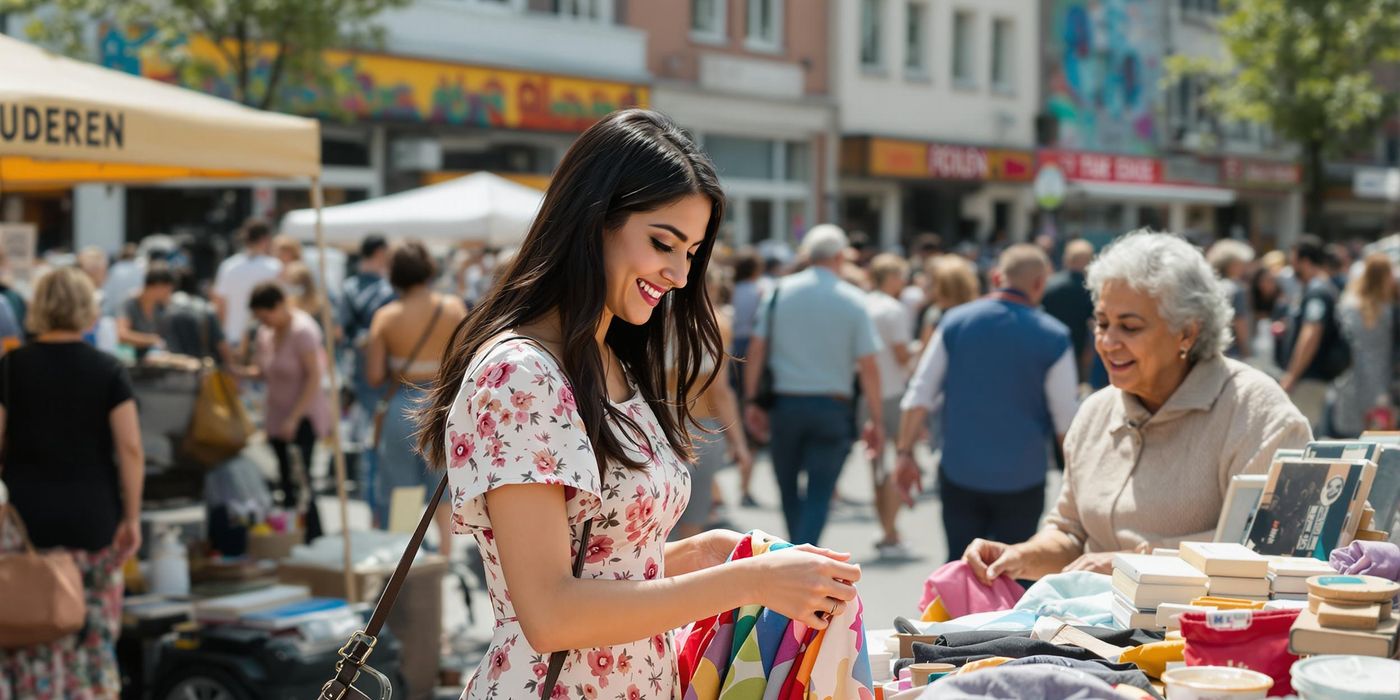
- Order food in the local language, ask for directions, and try shopping at local markets. These everyday interactions are invaluable learning opportunities.
- Don't Fear Mistakes:
- Making mistakes is part of the learning process. Don't be afraid to stumble over your words or mispronounce a phrase. Locals are usually very understanding and appreciative of the effort.
- Consume Local Media:
- Watch local TV shows and movies, listen to music, and read local newspapers and magazines. This will help you improve your listening and comprehension skills, and also give you insights into the local culture.
- Consider Language Exchange Programs & Homestays:
- These offer opportunities for deeper immersion. Living with a local family or participating in a language exchange program will expose you to the language and culture in a more intimate way.
Sustainable Language Learning: Integrating Language into Daily Life
Learning a language is a marathon, not a sprint. It requires consistent effort and dedication. Here are some tips for integrating language learning into your daily life:
- Set Achievable Goals:
- Start small and set realistic goals. Don't try to learn everything at once. Focus on mastering a few key phrases or grammar concepts each week.
- Incorporate Language Practice into Your Routine:
- Label household items with their names in the target language, listen to language podcasts during your commute, or change your phone language settings.
- Keep a Language Journal:
- Write down new words and phrases, track your progress, and reflect on your learning experiences. This will help you stay motivated and identify areas where you need to improve.
- Find Language Partners:
- Look for language partners for regular conversation practice, either online or in person. Many cities have language exchange groups where you can meet native speakers and practice your skills.
The Rewards of Language Learning: Enhanced Travel Experiences
Learning a language is an investment that pays off in countless ways. It's not just about being able to communicate; it's about opening yourself up to new cultures, perspectives, and experiences.
- Authentic & Meaningful Travel:
- Knowing the local language can lead to more authentic and meaningful travel experiences. You'll be able to connect with locals on a deeper level, understand their culture, and discover hidden gems that you might otherwise miss.
- Facilitated Connections:
- I've had so many incredible experiences thanks to my language skills. From sharing a home-cooked meal with a family in rural Vietnam to getting insider tips from a local in Berlin, language has opened doors to unique opportunities and unforgettable connections.
- Increased Confidence & Independence:
- Being able to communicate in a foreign language gives you a sense of confidence and independence. You'll feel more comfortable navigating new situations and exploring unfamiliar places.
- Sustainable Tourism & Cultural Exchange:
- Language learning plays a vital role in sustainable tourism and cultural exchange. By making an effort to communicate in the local language, you show respect for the local culture and contribute to a more positive and enriching travel experience for everyone.
So, pack your bags, download a language app, and get ready to embark on a journey of linguistic discovery. The world is waiting to be explored, one word at a time! Chúc may mắn! (Good luck!)
Explore methods and strategies for learning new languages on the go, enhancing travel experiences through communication.