Family travel isn't just about ticking destinations off a list; it's about creating shared memories that will last a lifetime. As a Bermudian now living in Toronto, I've learned that blending cultural immersion with fun activities is the key to a successful family adventure. Join me as I share some tips and personal anecdotes to help you plan your next unforgettable family trip.
Choosing the Right Destination: Balancing Interests
Selecting a destination that appeals to both adults and children can seem daunting, but it's entirely achievable. The trick is to find a place that offers a mix of cultural experiences for the grown-ups and engaging activities for the kids. Think historical sites with nearby parks, or museums with interactive exhibits.
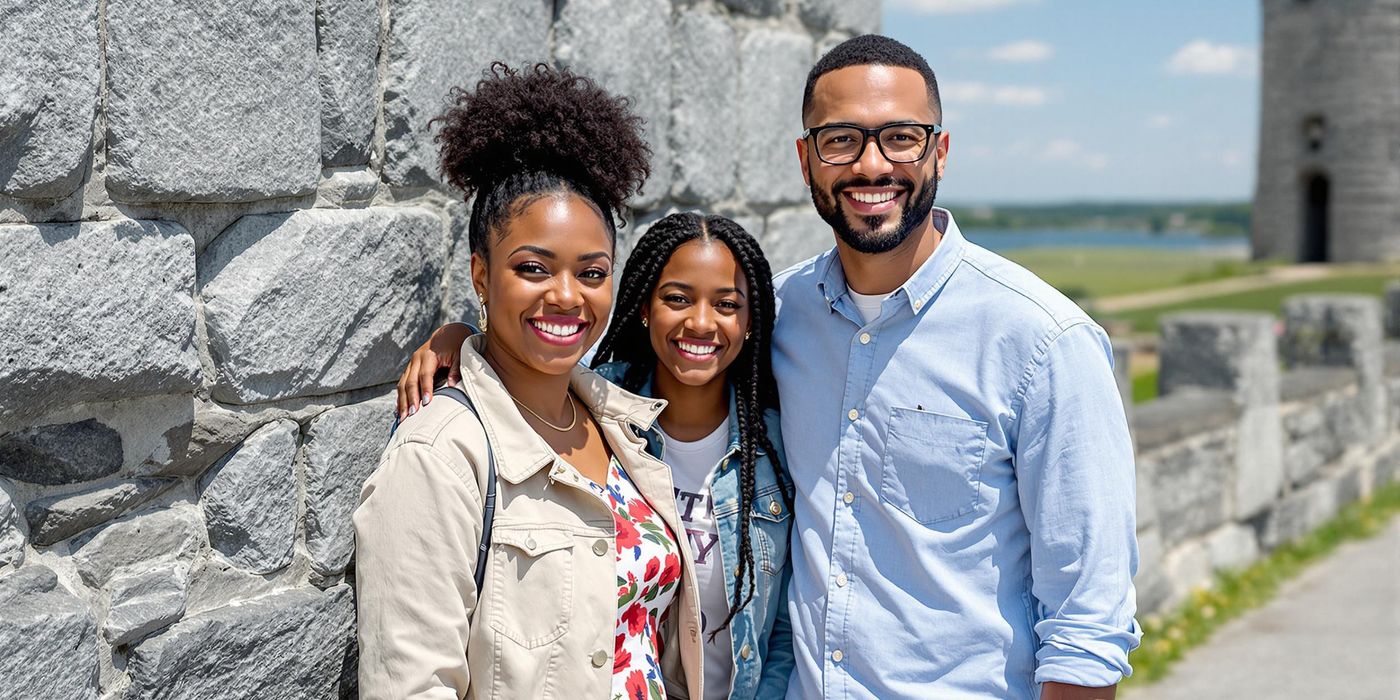
One of our most successful trips was to Quebec City. David and I were eager to explore the historic Old Town, while Jasmine, then younger, needed something more stimulating. We found the perfect balance by visiting the Citadelle of Quebec, a fascinating historical site, followed by a visit to the Plains of Abraham, where she could run around and play. Another time, in Mexico, we combined exploring ancient Mayan ruins with afternoons spent swimming in cenotes. The key is research! Look for destinations that offer a variety of experiences to cater to everyone's interests.
Before you book anything, involve the whole family in the decision-making process. Get their input on what they'd like to see and do, and try to incorporate at least some of their suggestions into the itinerary. This will make them feel valued and excited about the trip.
Planning for Cultural Immersion: Making it Fun for Kids
Introducing cultural elements in a way that's engaging for children is crucial. Forget dry lectures; think storytelling, interactive museum exhibits, and hands-on workshops. We've found that kids respond best when they can actively participate in the experience.
For example, when we visited Italy, we took a pizza-making class in Naples. Jasmine loved getting her hands dirty and learning about the history of pizza while creating her own masterpiece. Similarly, a visit to a local market in Marrakech turned into a treasure hunt, as we challenged her to find different spices and ingredients.
Before you travel, spend some time preparing your children for the cultural differences they'll encounter. Read books together, watch documentaries, or even learn a few basic phrases in the local language. This will help them feel more comfortable and confident in new surroundings.
Incorporating Fun Activities: Keeping Everyone Engaged
While cultural immersion is important, it's equally essential to incorporate fun activities that cater to different age groups. Water parks, amusement parks, outdoor adventures – the possibilities are endless. The goal is to keep everyone engaged and entertained.
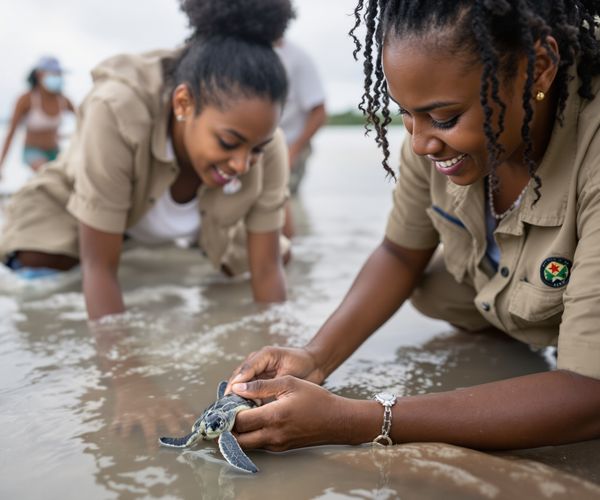
One of Jasmine's favorite activities is hiking. We've explored trails in national parks across Canada and the US, and she always enjoys the challenge of reaching the summit and taking in the breathtaking views. Another hit has been kayaking. We've paddled through mangrove tunnels in Bermuda and along the coast of Croatia, spotting wildlife and enjoying the tranquility of the water.
When planning your itinerary, be sure to strike a balance between structured activities and free time. Kids need time to relax, unwind, and simply be kids. Don't overschedule your days, and allow for spontaneous adventures along the way.
Making Travel Educational: Learning on the Go
Travel provides countless opportunities for learning. Visiting historical sites, learning about local wildlife, practicing a new language – these experiences can be incredibly enriching for children. Turn your trips into educational adventures.
During a trip to Costa Rica, we visited a sloth sanctuary and learned about the importance of protecting these gentle creatures. Jasmine was fascinated by the sloths and asked countless questions about their habitat and behavior. Similarly, a visit to the Anne Frank House in Amsterdam sparked a meaningful conversation about history, tolerance, and human rights.
Encourage your children to ask questions and explore their surroundings. Bring along a journal or sketchbook for them to record their observations and reflections. And don't be afraid to deviate from your planned itinerary if something particularly interesting catches their eye.
Practical Tips for Stress-Free Family Travel
Planning a family trip can be stressful, but it doesn't have to be. With a little preparation and flexibility, you can minimize the challenges and maximize the fun. Here are a few practical tips to help you along the way.
Pack efficiently. Create a packing list for each family member and stick to it. Bring along familiar snacks and comfort items to help children feel more at home. And don't forget to pack a first-aid kit with all the essentials.
Manage screen time. While it's tempting to rely on screens to keep kids entertained during long flights or car rides, try to find alternative forms of entertainment. Bring along books, games, or art supplies. Encourage them to look out the window and observe the world around them.
Plan for downtime. Kids need time to relax and recharge, especially after a busy day of sightseeing. Schedule some downtime into your itinerary, whether it's an afternoon at the pool, a quiet evening at the hotel, or a lazy morning in bed. Remember, the goal is to create lasting memories, not to exhaust yourselves!
Tips for planning family trips that balance cultural immersion and fun activities for all ages.