Hello fellow wanderers! Róisín here, ready to share a travel philosophy that has transformed the way my husband, Jan, and I experience the world. It's called slow travel, and it's about savoring every moment, every interaction, and every hidden gem along the way. Forget rushing from one tourist hotspot to another; slow travel is about connecting deeply with the places you visit and the people you meet.
What is Slow Travel?
Slow travel is a conscious decision to move away from the whirlwind pace of conventional tourism. Instead of trying to cram as many sights as possible into a short period, it emphasizes the quality of your travel experiences over the quantity. Think of it as the antithesis of the 'snap-and-go' mentality that dominates much of modern tourism.
The concept of slow travel actually has its roots in the Slow Food movement, which began in Italy in the 1980s as a protest against fast food. Just as Slow Food encourages us to appreciate the origins and preparation of our meals, slow travel invites us to immerse ourselves fully in the culture, history, and natural beauty of our destinations. It's about shifting from a checklist approach to travel towards a more immersive, enriching journey.
The Benefits of Slowing Down
The rewards of embracing slow travel are manifold. For me, one of the greatest benefits is the opportunity for deeper cultural immersion. When you spend more time in a place, you have the chance to connect with local communities on a meaningful level. You're not just a tourist passing through; you become a temporary resident, participating in daily life and building relationships with the people who call that place home.
Another significant advantage of slow travel is its reduced environmental impact. By choosing slower modes of transportation, such as trains or bicycles, and by supporting local businesses, you can minimize your carbon footprint and contribute to sustainable tourism practices. It's about respecting the resources of the places you visit and leaving as little trace as possible.
Beyond the cultural and environmental benefits, slow travel also offers opportunities for personal growth and reflection. When you slow down, you create space for mindfulness and self-discovery. You have time to contemplate your experiences, to learn from your surroundings, and to gain new perspectives on the world and your place in it. And, let's not forget, a slower pace means less stress and a more relaxed travel experience overall!
Finally, slow travel is about supporting local businesses and economies. Instead of just ticking off the hotspots recommended in every guidebook, you have the time to explore local markets, family-owned restaurants, and artisan shops. You're investing in the community and helping to preserve its unique character and traditions.
Róisín's Personal Experiences with Slow Travel
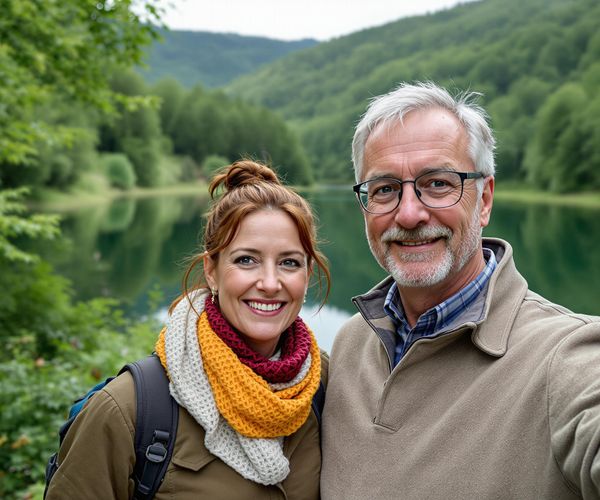
Jan and I have had some truly unforgettable experiences thanks to slow travel. One that springs to mind is our trip to Poland a few years ago. Instead of rushing through the major cities, we spent several weeks exploring the lesser-known regions, like the Masurian Lake District. We rented a small cottage by a lake and spent our days hiking, cycling, and kayaking. We visited local farms, sampled regional cuisine, and learned about the area's rich history and folklore.
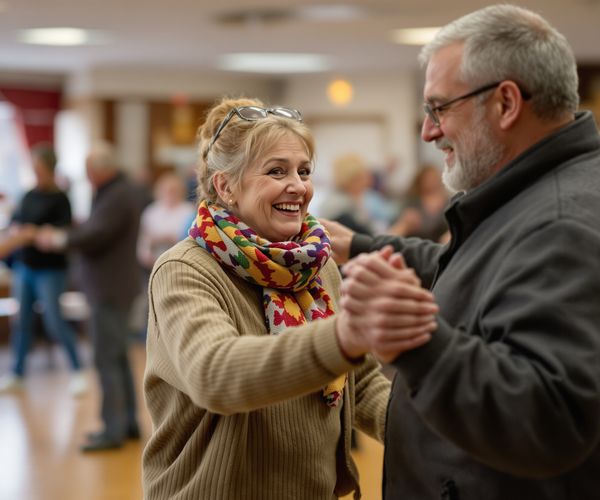
Another memorable adventure was when we toured my homeland, Ireland. We spent a month driving the Wild Atlantic Way, stopping at every charming village and scenic overlook along the way. We attended traditional music sessions in cozy pubs, learned a few steps of Irish folk dances, and listened to the stories of the locals. These experiences enriched our understanding of the deep connections between Polish and Irish culture.
The joy of slow travel lies in discovering hidden gems and savoring the quieter, lesser-known places. It's about allowing yourself to be surprised, to be spontaneous, and to embrace the unexpected. It's about creating memories that will last a lifetime.
Practical Tips for Embracing Slow Travel
If you're ready to embrace slow travel, here are a few practical tips to get you started:
- Choose destinations that are easily accessible without flying. Consider taking a train, bus, or even a boat to your destination.
- When possible utilize alternative transportation options like bikes or even by foot.
- Stay in one place for longer. Instead of hopping from city to city, choose a base and explore the surrounding area at a leisurely pace.
- Integrate with the local community. Rent an apartment or stay in a guesthouse, shop at local markets, and strike up conversations with the locals.
- Be flexible with your itinerary. Don't try to plan every minute of your trip. Allow yourself to be spontaneous and to follow your curiosity.
- Prioritize local experiences over tourist attractions. Attend a local festival, take a cooking class, or visit a family-owned restaurant.
- Support eco-friendly accommodations. Look for hotels or guesthouses that are committed to sustainability and minimizing their environmental impact.
- Minimize single-use plastics. Bring your own water bottle, reusable shopping bag, and toiletries in refillable containers.
Mindful and Sustainable Travel Practices
Slow travel goes hand in hand with mindful and sustainable travel practices. Here are a few ways to travel more responsibly:
- Choose eco-friendly accommodations and transport options. Look for accommodations that use renewable energy, conserve water, and recycle waste. Opt for public transportation, cycling, or walking whenever possible.
- Respect local resources and minimize waste. Be mindful of your water and energy consumption, and avoid single-use plastics.
- Support local economies and businesses. Shop at local markets, eat at family-owned restaurants, and buy souvenirs from local artisans.
- Offset your carbon emissions. If you do need to fly, consider offsetting your carbon emissions by donating to a reputable carbon offset program.
- Practice 'Leave No Trace' principles. Pack out everything you pack in, and leave the natural environment as you found it.
- Engage in responsible tourism. Learn about the local culture and customs, and be respectful of the local people and their traditions.
- Contribute to conservation efforts. Volunteer your time or donate to organizations that are working to protect the environment and preserve cultural heritage.
By embracing slow travel and mindful travel practices, we can transform the way we experience the world. We can create deeper connections with the places we visit, reduce our environmental impact, and enrich our own lives in the process. So, the next time you plan a trip, consider slowing down and embracing the journey. You might be surprised at what you discover.
Discover the art of slow travel with Róisín Boyle. Learn how to immerse yourself in local cultures, reduce your environmental impact, and create meaningful travel experiences.