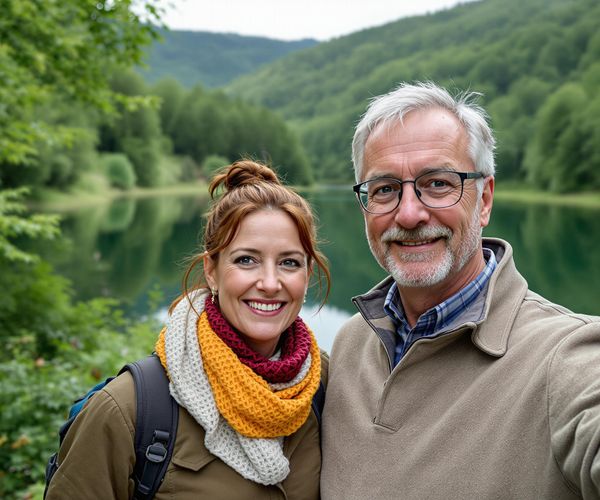
Have you ever felt a pull towards the past, a curiosity about the lives of those who came before you? I know I have. For me, and my husband Jan, that curiosity has blossomed into a passion for genealogical travel – a journey to connect with our family history and explore the lands of our ancestors. Let me share some insights from our adventures, in the hopes of inspiring you to embark on your own quest.
The Allure of Ancestral Journeys
There's something profoundly moving about walking in the footsteps of your ancestors. It's more than just ticking off a destination on a travel list; it's about understanding where you come from, piecing together the puzzle of your identity, and feeling a sense of belonging that transcends time and place.
I remember one particular moment during our trip to Ireland. We were in County Mayo, searching for records of my great-great-grandmother, Bridget. After hours poring over dusty parish registers, we finally found her marriage certificate. The thrill of that discovery was immense, but what truly struck me was the realization that I was standing in the same church where she had stood, generations before. It was a tangible connection to my past, a moment that resonated deep within my soul. Similarly, Jan experienced a powerful connection while visiting his ancestral village in Poland. He met distant relatives he never knew existed, sharing stories and traditions that had been passed down through generations. These experiences solidified our belief in the importance of understanding your roots.
Understanding your roots isn't just about names and dates; it's about understanding the forces that shaped your family's journey, the struggles they overcame, and the values they held dear. It's about gaining a deeper appreciation for the sacrifices they made, which ultimately paved the way for your existence. It's about finding your place within a larger narrative, a story that stretches back through time and connects you to something far greater than yourself.
Laying the Groundwork: Pre-Trip Research
Before you pack your bags and book your flights, remember that thorough research is the cornerstone of a successful genealogical trip. The more you know before you go, the more rewarding your experience will be. Fortunately, we live in an age where vast amounts of genealogical information are readily available online.
Here are some key resources that I've found invaluable in my own research:
- Ancestry.com: A subscription-based website with a vast collection of records, including census data, vital records, and immigration documents.
- FamilySearch: A free website run by the Church of Jesus Christ of Latter-day Saints, offering access to billions of records from around the world.
- MyHeritage: Another subscription-based website with a strong focus on DNA testing and connecting with living relatives.
- FindAGrave: A website dedicated to cemetery records, allowing you to locate the final resting places of your ancestors.
- JewishGen: A comprehensive resource for Jewish genealogy, with databases, research tools, and community forums.
These websites offer a treasure trove of information, from census records that reveal your ancestors' occupations and living conditions to vital records that document births, marriages, and deaths. Immigration records can provide insights into when and why your ancestors left their homeland, while military records can shed light on their service and sacrifices. Don't underestimate the power of these resources; they can unlock hidden chapters in your family's story.
Beyond online resources, consider joining genealogical societies and online forums. These communities are filled with experienced researchers who can offer guidance, support, and valuable insights. They can also help you decipher old documents, navigate language barriers, and overcome research roadblocks. Networking with fellow genealogists can be incredibly rewarding and can significantly enhance your research efforts.
Crafting Your Itinerary: Key Destinations and Activities
Once you've gathered sufficient information about your ancestors, it's time to start planning your travel itinerary. Prioritize locations based on your research findings, focusing on places where your ancestors lived, worked, and worshipped. Visiting these ancestral towns and villages can be a profoundly moving experience, allowing you to connect with the landscape and culture that shaped their lives.
Consider including the following destinations and activities in your itinerary:
- Ancestral towns and villages: Explore the streets, visit local landmarks, and imagine what life was like for your ancestors in these places.
- Historical societies: These organizations often hold valuable records and artifacts related to local history and genealogy.
- Local libraries and archives: These institutions can provide access to unique documents, such as newspapers, maps, and photographs, that can shed light on your family's history.
- Churches and cemeteries: These places often hold vital records and can provide clues about your ancestors' religious affiliations and burial locations.
Before you travel, try to contact local historians, genealogists, and even distant relatives who may live in the area. They can offer invaluable insights, share family stories, and provide access to resources that you might not otherwise find. Building these connections can enrich your travel experience and deepen your understanding of your family's history.
While tracing your family history is the primary focus of your trip, don't forget to explore the local culture, cuisine, and traditions. Immerse yourself in the sights, sounds, and flavors of the region, and try to gain a deeper understanding of the world your ancestors inhabited. Consider hiring a local guide or translator to help you navigate language barriers and access local resources.
Navigating Challenges and Unexpected Discoveries
Genealogical travel is not without its challenges. Language barriers, limited access to records, and conflicting information can all pose obstacles to your research. However, with patience, persistence, and a willingness to adapt, you can overcome these challenges and make significant progress in your quest.
Here are some strategies for navigating potential difficulties:
- Learn basic phrases in the local language: Knowing how to say hello, thank you, and please can go a long way in building rapport with locals and accessing resources.
- Be persistent in your research: Don't give up easily if you encounter a roadblock. Try different search strategies, consult with other researchers, and explore alternative sources of information.
- Verify information from multiple sources: Cross-reference information from different sources to ensure its accuracy and reliability. Be wary of relying solely on anecdotal evidence or unverified claims.
Be prepared for the possibility of encountering unexpected discoveries along the way. You might uncover previously unknown relatives, surprising family stories, or even skeletons in the closet. Approach these discoveries with empathy, respect, and a willingness to understand the complexities of human history. Not all family stories are easy to hear, but they are all part of your heritage.
Documenting Your Journey: Preserving Family History
Finally, remember to document your genealogical travel experience for future generations. Your journey is not just about uncovering the past; it's about preserving it for those who will come after you. By documenting your research, sharing your stories, and creating a lasting record of your discoveries, you can ensure that your family's history will be remembered for years to come.
Here are some ways to document your journey:
- Keep a detailed travel journal: Record your daily activities, observations, and reflections. Include photographs, maps, and other mementos to create a rich and evocative record of your experience.
- Take photographs and videos: Capture the sights, sounds, and faces of your journey. These visual records can help bring your family's history to life for future generations.
- Collect documents and artifacts: Gather copies of vital records, photographs, letters, and other documents that shed light on your family's history. Collect small artifacts that represent your ancestors' lives and culture.
Organize and preserve your research findings by creating a family tree, writing a family history narrative, and sharing your discoveries with relatives. Consider utilizing digital tools and platforms for creating online family archives and collaborative genealogy projects. By sharing your research with others, you can help ensure that your family's history will be preserved and celebrated for generations to come.
Genealogical travel is a deeply personal and rewarding experience. It's a journey of discovery, connection, and remembrance. I encourage you to embark on your own quest to trace your roots and connect with your heritage. You never know what you might discover.
Embark on a genealogical journey to uncover your family's history. Learn tips, resources, and personal stories to inspire your own adventures. Discover the emotional and educational aspects of connecting with your heritage.