Choosing the Right Gear for Family Adventures
When it comes to family travel photography, the best camera is the one you have with you! While professional gear can be amazing, it's not always practical when you're juggling kids, snacks, and everything else that comes with family travel. Let's explore some user-friendly options:
- Smartphones: The cameras on modern smartphones are incredibly capable. They're convenient, easy to use, and often produce stunning images, especially in good lighting. Plus, you likely already have one!
- Compact Cameras: These offer a step up in image quality and features compared to smartphones, while still being relatively small and lightweight. Look for models with good zoom capabilities and user-friendly interfaces.
- Mirrorless Cameras: For those wanting more control and higher image quality, a mirrorless camera is a great option. They're more compact than traditional DSLRs and offer interchangeable lenses for versatility. Consider models known for their autofocus speed and ease of use.
- Action Cameras: If your family adventures involve water sports, hiking, or other active pursuits, an action camera like a GoPro or Insta360 is a must-have. They're durable, waterproof, and capture unique perspectives.
Don't forget accessories! A waterproof case can protect your camera from splashes and spills, while a durable strap will keep it secure while you're on the go. And remember, the most important thing is to choose gear that you're comfortable using and that fits your family's needs and budget.
Mastering Composition with Kids in Tow
Composition is the art of arranging elements within your frame to create a visually appealing image. It might sound complicated, but it's actually quite simple! Here are a few basic techniques to keep in mind, even when you're dealing with wiggly kids:
- Rule of Thirds: Imagine dividing your frame into nine equal parts with two horizontal and two vertical lines. Place your subject at one of the intersections of these lines for a more balanced and interesting composition.
- Leading Lines: Use lines (roads, fences, rivers) to draw the viewer's eye into the scene and towards your subject.
- Framing: Use elements in the foreground (trees, arches, doorways) to frame your subject and add depth to your image.
When photographing children, it's important to be flexible and patient. Get down low to their level to capture their perspective. Don't be afraid to experiment with different angles and perspectives. Shooting from above can create a fun and playful image, while shooting from below can make your subject appear larger and more imposing. And don't forget about depth of field! Using a shallow depth of field (blurring the background) can help to isolate your subject and create a more intimate portrait.
Capturing Candid Moments and Authentic Emotions
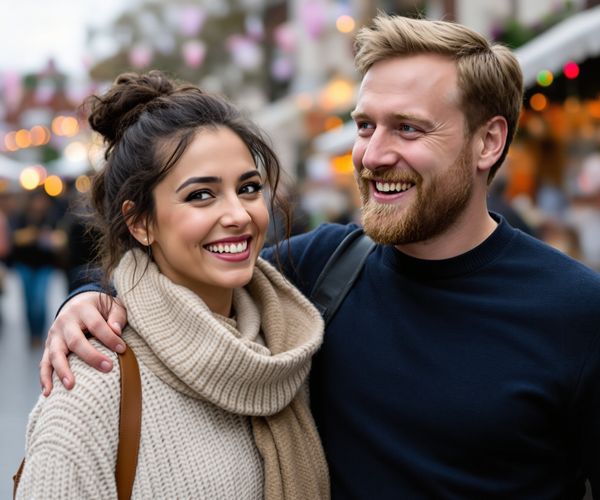
The best family travel photos are the ones that capture genuine emotions and interactions. Forget posed smiles and forced expressions. Instead, focus on capturing candid moments: the laughter, the tears, the silly faces, and the quiet moments of connection.
Here are a few tips for capturing those authentic emotions:
- Be Ready: Keep your camera handy and be ready to capture fleeting moments as they happen.
- Observe: Pay attention to the interactions between family members. Look for moments of connection and emotion.
- Let Them Be: Resist the urge to constantly pose and direct your family. Let them be themselves and capture their natural interactions.
Don't be afraid to embrace imperfection! Blurry images, funny faces, and unexpected moments can tell a story just as effectively as perfectly posed portraits. These 'imperfect' photos often become the most cherished memories.
Lighting Tips for Flattering Family Photos
Lighting can make or break a photograph. Understanding how to use light to your advantage is essential for capturing flattering family photos. Here are a few tips:
- Natural Light is Your Friend: Whenever possible, use natural light. It's soft, flattering, and creates a more natural-looking image.
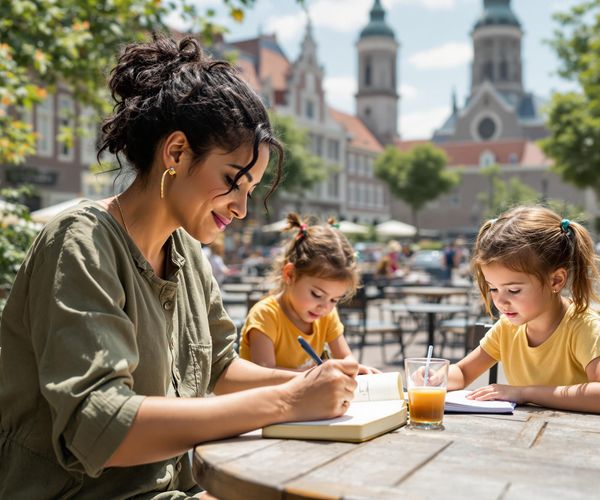
- Avoid Harsh Midday Sun: The midday sun can create harsh shadows and unflattering highlights. If you must shoot during this time, seek out open shade.
- The Golden Hour: The hour after sunrise and the hour before sunset, known as the golden hour, offers the most beautiful and flattering light. Plan your family activities around this time for stunning photos.
- Open Shade: Look for areas where the sun is blocked but there is still plenty of ambient light. This creates a soft, even light that is perfect for portraits.
If you're shooting indoors, try to position your subjects near a window for natural light. You can also use fill flash or reflectors to bounce light and brighten up shadows.
Involving Kids in the Photography Process
One of the best ways to make family travel photography more fun and engaging is to involve your kids in the process. Here are a few ideas:
- Give Them Their Own Camera: Even a simple point-and-shoot camera can empower kids to express their creativity and capture their own perspectives.
- Ask for Their Input: Involve kids in choosing locations, poses, and activities for photos. Their ideas might surprise you!
- Turn it into a Game: Make photography fun by turning it into a game. Give kids challenges, like finding specific colors or shapes to photograph.
Not only will this make the experience more enjoyable for everyone, but it will also ensure that the parent who is usually behind the camera gets to be in some photos too!
Storytelling Through Travel Photos: Capturing the Essence of a Place
Your travel photos should tell a story about your adventures. Think beyond the typical tourist snapshots and focus on capturing the essence of a place: its culture, history, environment, and people.
Here are a few ideas for capturing the essence of a place:
- Photograph Local Architecture: Capture the unique buildings and structures that define the local landscape.
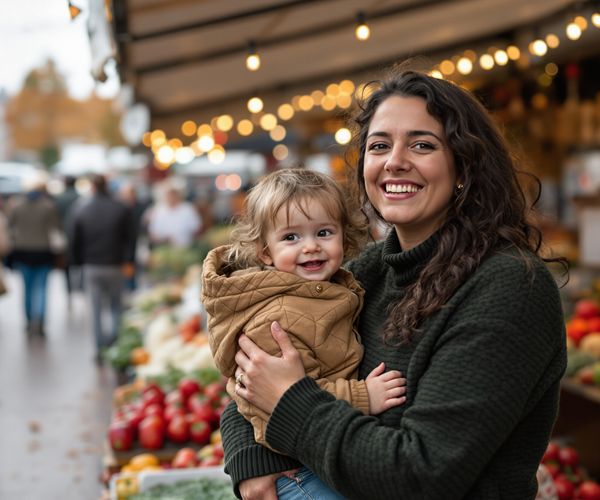
- Document Street Scenes: Capture the everyday life of the local people, from bustling markets to quiet residential streets.
- Photograph Local Food: Capture the flavors of the region by photographing local dishes and ingredients.
- Photograph the People: Capture portraits of the local people, showcasing their unique personalities and stories.
Don't forget to photograph both iconic landmarks and everyday moments. Both are important for telling the story of your travels. And most importantly, capture the connections between your family members and the places you visit.
Preserving and Sharing Your Family Travel Memories
Once you've captured your family travel memories, it's important to preserve and share them! Here are a few ideas:
- Create Photo Books: Photo books are a wonderful way to tell the story of your travels and preserve your memories for years to come.
- Print and Frame Images: Print your favorite images and frame them to display in your home. This is a great way to relive your adventures every day.
- Share on Social Media: Share your photos on social media to connect with friends and family and inspire others to travel.
- Make Slideshows or Videos: Create slideshows or videos with music and captions to share your adventures in a dynamic way.
Don't forget to back up your photos to prevent loss! And consider creating a family travel blog or online album to share your adventures with friends and family in more detail.
Tips for capturing beautiful family moments on your travels, inspired by Sofia's passion for photography.