Ciao amici! Sofia here, ready to whisk you away on a journey that's close to my heart: cultural travel with family. Growing up in Matera, Italy, steeped in history and tradition, instilled in me a deep appreciation for experiencing the world beyond the typical tourist trail. Now, as a mother living in the Netherlands, I'm passionate about sharing that love with my daughter, Alessia, and husband, Pieter. Let's explore how you can turn your next family vacation into an immersive cultural adventure.
Planning for Cultural Immersion: Setting the Stage
The key to a successful cultural trip lies in the planning. Don't just pick a destination; research it! Delve into the history, culinary arts, and local customs. For example, before our trip to Kyoto, we watched documentaries about samurai culture and learned basic Japanese phrases. Involve the whole family in the process. Ask your children what interests them – maybe it's ancient castles, vibrant festivals, or trying new foods. When we planned our trip to Mexico, Alessia was fascinated by the Day of the Dead celebrations, which became a central focus of our visit.
Learning a few basic phrases in the local language goes a long way. It shows respect and opens doors to more meaningful interactions. Even a simple “hello” or “thank you” can make a difference. Before you go, discuss local customs and etiquette with your family. What is considered polite? What should you avoid doing? This helps prevent misunderstandings and ensures you’re respectful of the local culture.
Engaging with Local Communities: Beyond Tourist Attractions
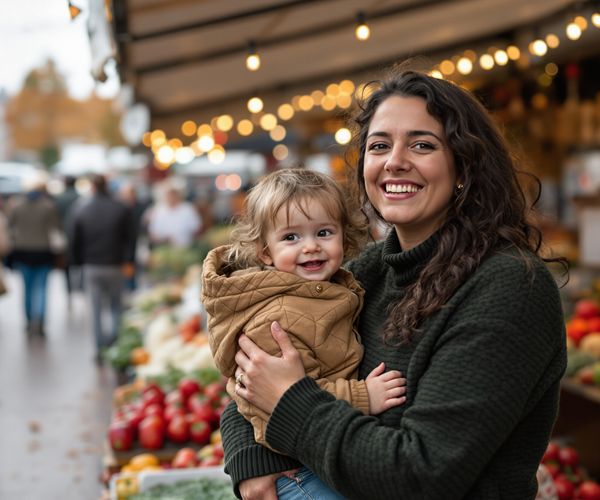
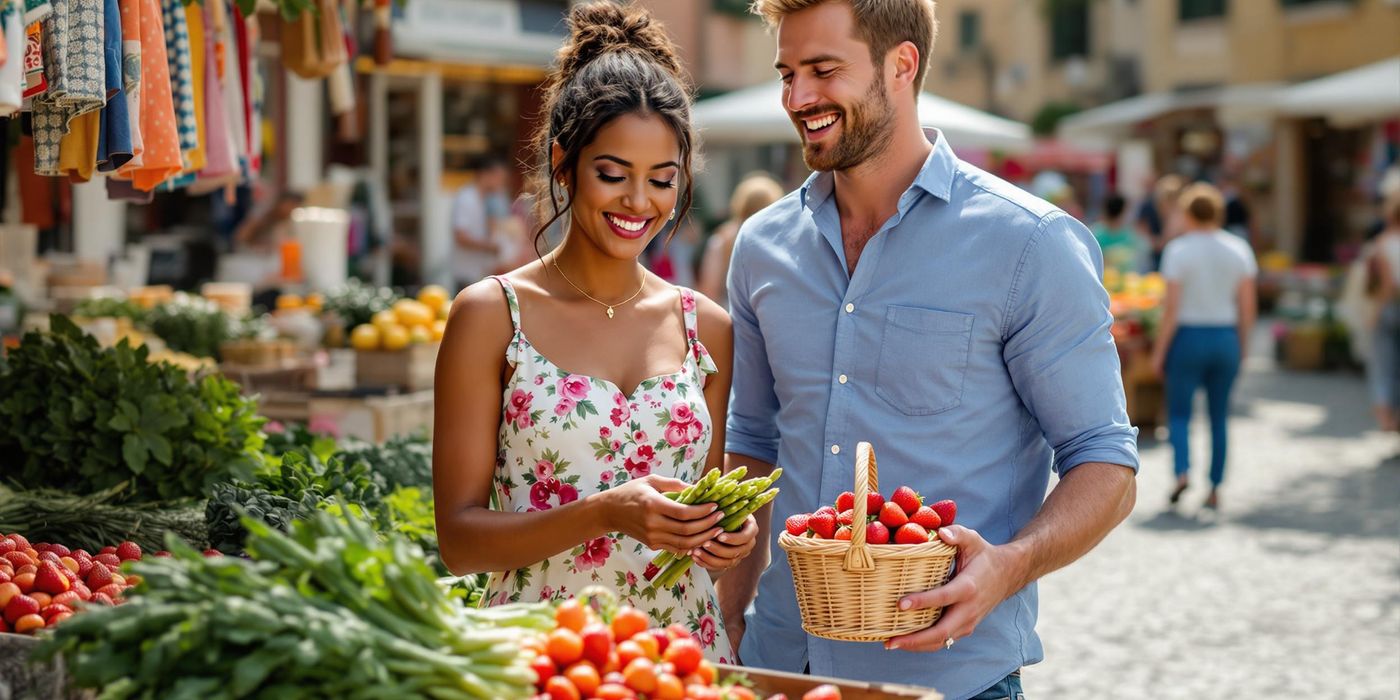
Ditch the big chain hotels and opt for locally-owned accommodations like B&Bs or guesthouses. You'll not only support the local economy but also experience authentic hospitality. During our stay in a small village in Tuscany, we learned so much about Italian family life from our hosts. Visiting local markets is a feast for the senses. Sample regional foods, purchase handcrafted goods, and chat with the vendors. It's a great way to immerse yourselves in the local atmosphere. We always make it a point to buy our souvenirs from local artisans, ensuring our money directly benefits the community.
Participate in local festivals and celebrations to witness cultural traditions firsthand. Whether it's a religious procession, a harvest festival, or a traditional dance performance, these events offer a unique glimpse into the heart of the culture. Don't be afraid to join in the fun! Taking guided tours led by local experts can provide deeper insights into the history and culture of the area. They can share stories and anecdotes that you won't find in any guidebook. Look for tours that focus on specific aspects of the culture, such as food tours or historical walking tours.
Creating Meaningful Interactions: Connecting with Locals
Encourage your children to interact with local children through play or organized activities. Language barriers often melt away when kids are playing together. Look for playgrounds or parks where your children can mingle with local kids. Seeking out opportunities to share meals with local families is a truly enriching experience. Ask your hosts if they would be willing to invite you for dinner, or look for cooking classes where you can learn to prepare traditional dishes together. During our trip to Vietnam, we were invited to a traditional family dinner, where we learned about their customs and shared stories about our own lives.
Volunteering for a local cause or project is a fantastic way to contribute to the community and build relationships. Whether it's helping out at a local farm, cleaning up a park, or assisting at a community event, your efforts will be greatly appreciated. Attending local cultural events, such as music performances, dance shows, or storytelling sessions, provides a window into the artistic expressions of the culture. These events often offer a chance to interact with local artists and performers.
Embracing Culinary Traditions: A Taste of Local Culture
Food is an integral part of any culture, so don't be afraid to indulge in the local cuisine. Taking cooking classes is a fun and interactive way to learn how to prepare traditional dishes and understand the significance of local ingredients. You'll also gain valuable skills that you can take back home with you. Dining at family-run restaurants and street food stalls is a great way to sample authentic cuisine and support local businesses. Ask the owners for recommendations and be open to trying new things. Some of our best culinary experiences have been at small, unassuming eateries.
Visiting local farms or food producers allows you to learn about the origins of regional specialties. You can see how the food is grown or made and gain a deeper appreciation for the local ingredients. Trying new and unusual foods with an open mind is essential for a cultural culinary adventure. Encourage your children to do the same. You might be surprised at what they discover! Alessia, who is usually a picky eater, tried and loved escargots in France!
Exploring Historical Sites and Museums: Uncovering the Past
Visiting historical sites and museums is a must for understanding the history, art, and culture of the region. Do some research beforehand so you can appreciate what you're seeing. Engage children with interactive exhibits, scavenger hunts, or guided tours designed for families. Many museums offer special programs for kids that make learning fun and engaging. Reading stories and legends related to the historical sites can bring the past to life. Look for local books or ask your tour guide to share some tales. Discussing the significance of the historical sites and museums with children helps them to foster a deeper understanding of the local culture. Ask them what they learned and what they found interesting.
Reflecting on the Experience: Making Memories Last
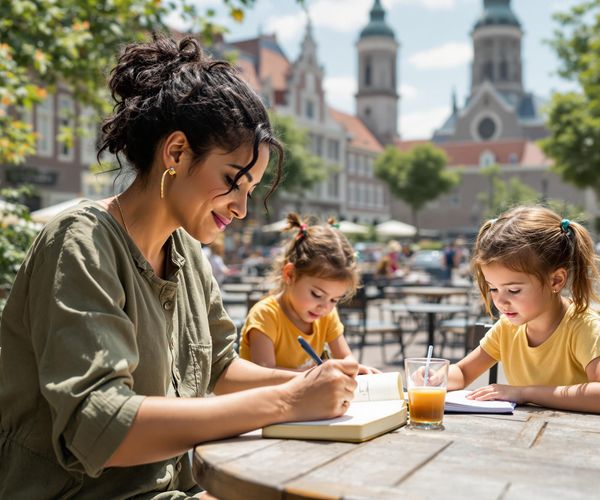
Keeping a travel journal is a wonderful way to document your experiences, observations, and reflections. Encourage each family member to write down their thoughts and feelings about the trip. Creating a scrapbook or photo album helps to preserve memories and share them with others. Include photos, ticket stubs, maps, and other mementos. Encouraging children to share their favorite moments and lessons learned from the trip can solidify their understanding of the culture. Ask them what they enjoyed most and what they learned. Using souvenirs as reminders of the cultural experiences can spark conversations and keep the memories alive long after you've returned home. Choose items that are meaningful and representative of the culture.
Cultural travel with family is more than just ticking off destinations on a list; it's about creating lasting memories, fostering empathy, and broadening horizons. It's about stepping outside your comfort zone and embracing the beauty and diversity of the world. Ciao!
Discover how to enrich your family travels by immersing yourselves in local cultures. Learn practical tips for engaging with traditions and creating lasting memories.