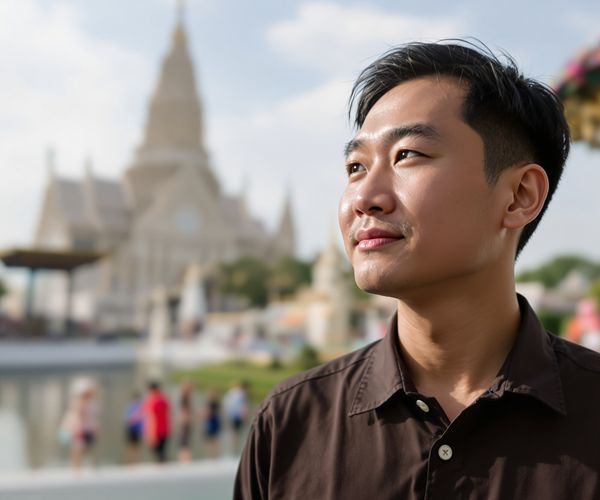
Traveling is more than just seeing famous landmarks; it's about connecting with the people who call a place home. As a Thai expat living in Berlin, I've learned that the most enriching travel experiences come from genuine cultural exchange. So, pack your bags, open your mind, and let's explore how to forge meaningful connections with locals on your next adventure.
Embracing the Local Mindset
Before you even set foot in a new place, do your homework. Researching local customs and traditions is crucial. What's considered polite in one culture might be offensive in another. For example, in Thailand, pointing your feet at someone is seen as disrespectful. Being aware of these nuances shows respect and a willingness to learn.
Approach each new experience with an open mind. Leave your stereotypes and preconceived notions at home. Every culture has its unique values and beliefs, and embracing these differences can lead to incredible discoveries. I remember when I first moved to Berlin, I was surprised by how direct Germans can be. It took some getting used to, but I eventually learned to appreciate their honesty.
In my early days in Berlin, I often felt like an outsider. The language barrier and cultural differences were challenging. However, I made a conscious effort to learn about German culture and participate in local events. Over time, I built friendships and found a sense of belonging. My experiences taught me the importance of patience, empathy, and a willingness to step outside my comfort zone.
Learning the Language of Connection
You don't need to be fluent, but learning a few basic phrases in the local language can go a long way. Saying hello, thank you, and please in the native tongue shows respect and a genuine interest in the culture. Plus, it can open doors to conversations and experiences you might otherwise miss.
There are tons of great language learning apps and resources available for travelers. Duolingo, Babbel, and Memrise are all excellent options. Even a few minutes of practice each day can make a big difference. Don't be afraid to make mistakes – locals will appreciate your effort.
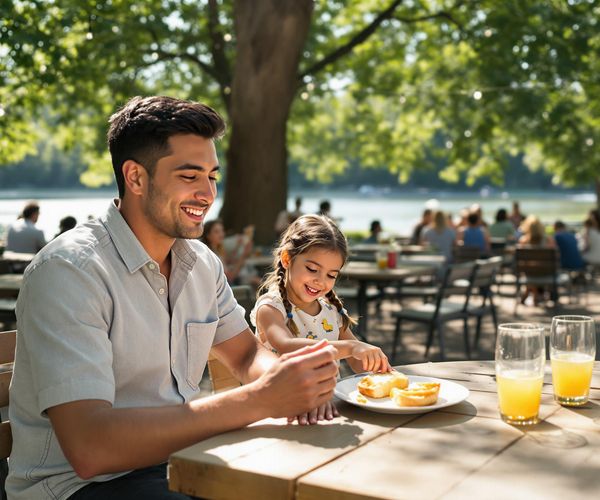
I've always made an effort to teach Lila some Thai phrases before our family trips back to Thailand. It's heartwarming to see her interact with our relatives and friends in their native language. Even simple greetings can create a sense of connection and warmth.
Immersing Yourself in Daily Life
One of the best ways to experience local life is to use public transportation. Riding the bus or train allows you to observe how people interact, what they read, and how they go about their daily routines. It's a window into the everyday rhythms of a place.
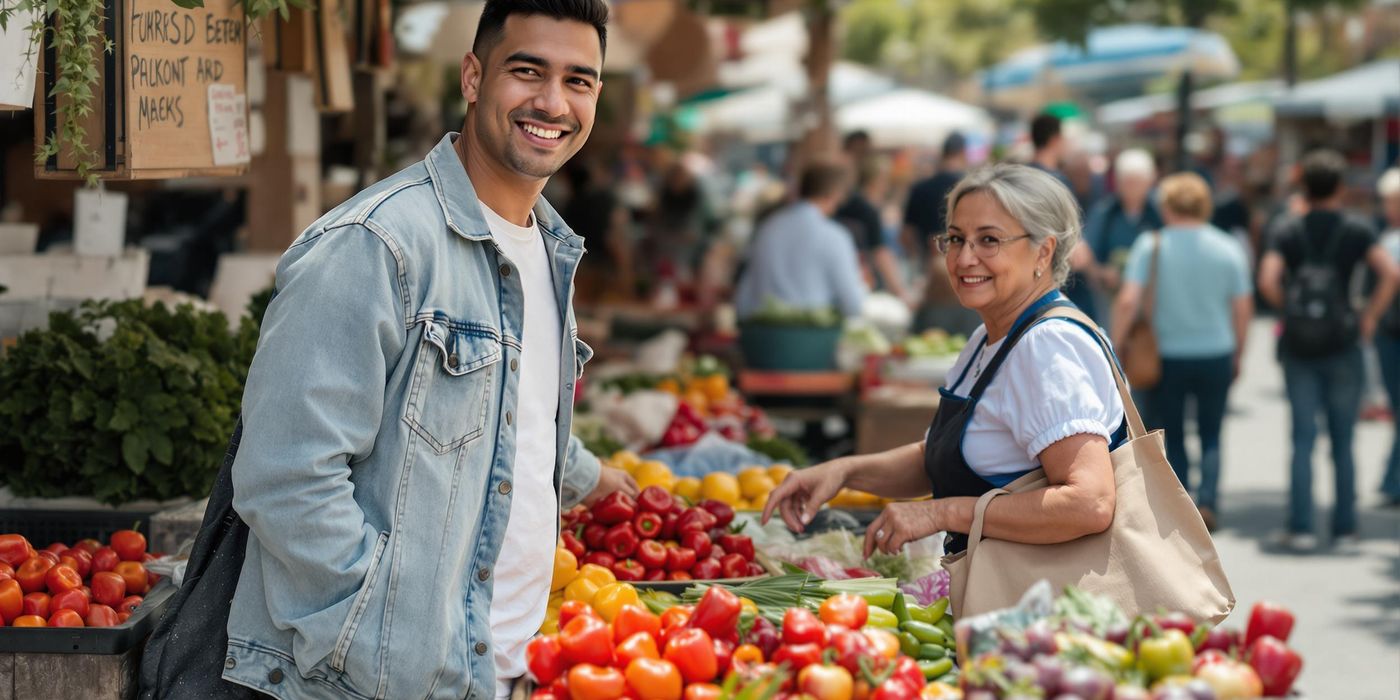
Skip the tourist traps and head to local markets. Shopping at markets is not only a great way to support local businesses, but also an opportunity to sample regional specialties and chat with vendors. You might even discover a new favorite food or souvenir.
Check out local festivals and events. Whether it's a religious celebration, a music festival, or a food fair, participating in local events is a fantastic way to immerse yourself in the culture and meet new people. Just remember to be respectful and mindful of local customs.
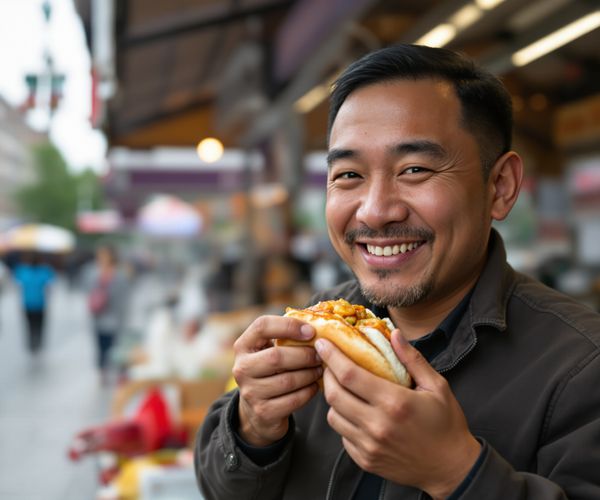
Trying local cuisine is an essential part of any travel experience. Be adventurous and sample dishes you've never heard of before. Don't be afraid to ask locals for recommendations – they'll be happy to share their favorite spots. Also, pay attention to dining customs. In some cultures, it's customary to eat with your hands, while in others, it's considered impolite to finish all the food on your plate.
Berlin's culinary scene is incredibly diverse, reflecting the city's multicultural population. I love exploring different neighborhoods and trying foods from all over the world. Of course, I also make sure to attend Thai cultural events in Berlin, where I can connect with my heritage and share it with others.
Respectful Interaction and Etiquette
Before interacting with locals, take the time to understand their etiquette and social norms. What's considered polite in one culture might be rude in another. For example, in some countries, it's customary to bargain when shopping, while in others, it's considered offensive.
When visiting religious or sacred sites, be mindful of dress codes and customs. Cover your shoulders and knees, remove your shoes if required, and speak in a quiet voice. Showing respect for these places is essential.
Be aware of personal space and privacy. Some cultures are more touch-oriented than others. Pay attention to body language and cues to avoid making people feel uncomfortable. Also, avoid taking photos of people without their permission.
Cultural appropriation is a sensitive topic. Avoid wearing clothing or accessories that are sacred or culturally significant to a particular group without understanding their meaning. Be mindful of your words and actions, and avoid making insensitive jokes or comments.
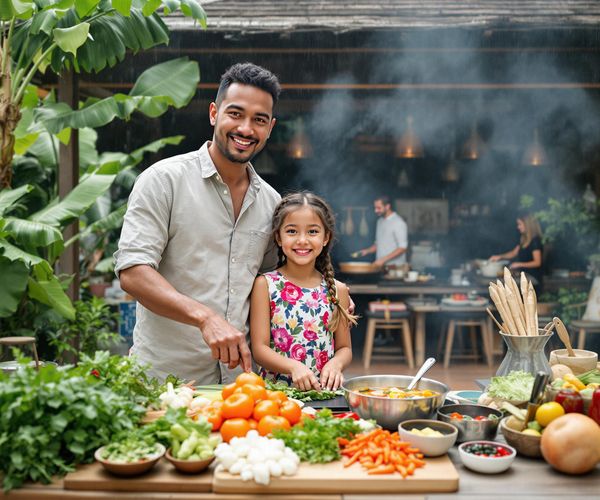
Traveling with Greta and Lila has taught me a lot about respectful behavior. I always make sure to explain to Lila the importance of respecting other cultures and being mindful of our actions. It's important to me that she grows up to be a global citizen.
Creating Meaningful Exchanges
Engage in conversations with locals and show genuine interest in their lives. Ask them about their families, their work, and their hobbies. Listen attentively and be respectful of their opinions, even if they differ from your own. Remember, the goal is to learn from each other.
Don't just be a tourist – share your own culture and experiences as well. Tell locals about your home country, your traditions, and your values. This exchange of information can lead to a deeper understanding and appreciation of different cultures.
Consider volunteering or participating in local projects. This is a great way to give back to the community and make a positive impact. You might help build a school, clean up a park, or teach a skill to local residents.
If you have a particular skill or talent, offer to share it with the community. You might teach a language, play a musical instrument, or repair bicycles. This is a valuable way to contribute to the local economy and build relationships.
When I first arrived in Berlin, I volunteered to teach English to refugees. It was an incredibly rewarding experience. Not only did I help them learn a new language, but I also learned a great deal about their cultures and their struggles. The cultural exchange that ensued was invaluable.
Learn how to foster genuine connections with locals and immerse yourself in the culture of your travel destination.