Understanding Your Camera: The Basics
Whether you're wielding a DSLR, a mirrorless marvel, or simply your trusty smartphone, understanding your camera settings is key. Aperture, shutter speed, ISO – these might sound intimidating, but they're your best friends when it comes to controlling how your photos look. Think of aperture as the eye of your camera, controlling how much light enters. Shutter speed dictates how long the camera's sensor is exposed to light, and ISO adjusts the camera's sensitivity to light.
Don't worry, you don't need to become a technical guru overnight! Start by exploring the different modes on your camera – Auto, Portrait, Landscape, etc. – and see how they affect your images.
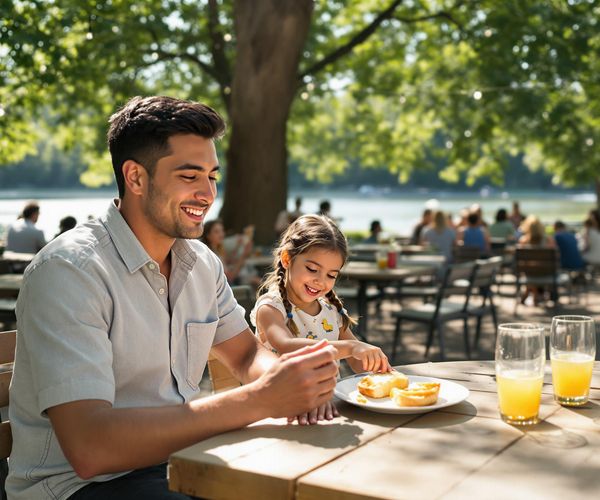
There are tons of online courses and e-books that can help you demystify these settings. I remember when I first started, I was completely lost! But with a little patience and practice, I gradually got the hang of it. Now, I can confidently adjust my settings to capture the perfect shot, whether I'm chasing the sunrise in the Thai countryside or exploring the bustling streets of Berlin with Greta and Lila.
Mastering Composition: Framing the World
Composition is the art of arranging elements within your frame to create a visually appealing image. It's what separates a snapshot from a photograph. One of the most fundamental rules of composition is the Rule of Thirds. Imagine dividing your frame into nine equal parts with two horizontal and two vertical lines. The Rule of Thirds suggests placing key elements of your scene along these lines or at their intersections. This creates a more balanced and engaging image than simply centering your subject.
I often use the Rule of Thirds when photographing landscapes. For example, if I'm capturing a mountain range, I might place the horizon line along the top or bottom third of the frame, depending on whether I want to emphasize the sky or the foreground.
Leading lines are another powerful compositional tool. These are lines that draw the viewer's eye into the scene, creating a sense of depth and perspective. They could be roads, rivers, fences, or even rows of trees. Symmetry and patterns can also add visual interest to your photos. Look for repeating shapes, colors, or textures and use them to create a sense of harmony and balance. And don't be afraid to experiment with different perspectives! Try shooting from high above or down low to add dynamism to your shots. Perspective can drastically change the way your subject is perceived.
The Golden Hour and Beyond: Utilizing Light
Ah, the golden hour! This magical time of day, shortly after sunrise and before sunset, is a photographer's dream. The light is soft, warm, and flattering, creating a beautiful glow that enhances any scene. The blue hour, which occurs just before sunrise and after sunset, is another great time to shoot, with its cool, ethereal light.
To make the most of natural light, pay attention to the direction and intensity of the sun. Position yourself so that the light is hitting your subject at a flattering angle. Avoid shooting in direct sunlight, which can create harsh shadows and blown-out highlights. If you must shoot during midday, look for shade or use a diffuser to soften the light.
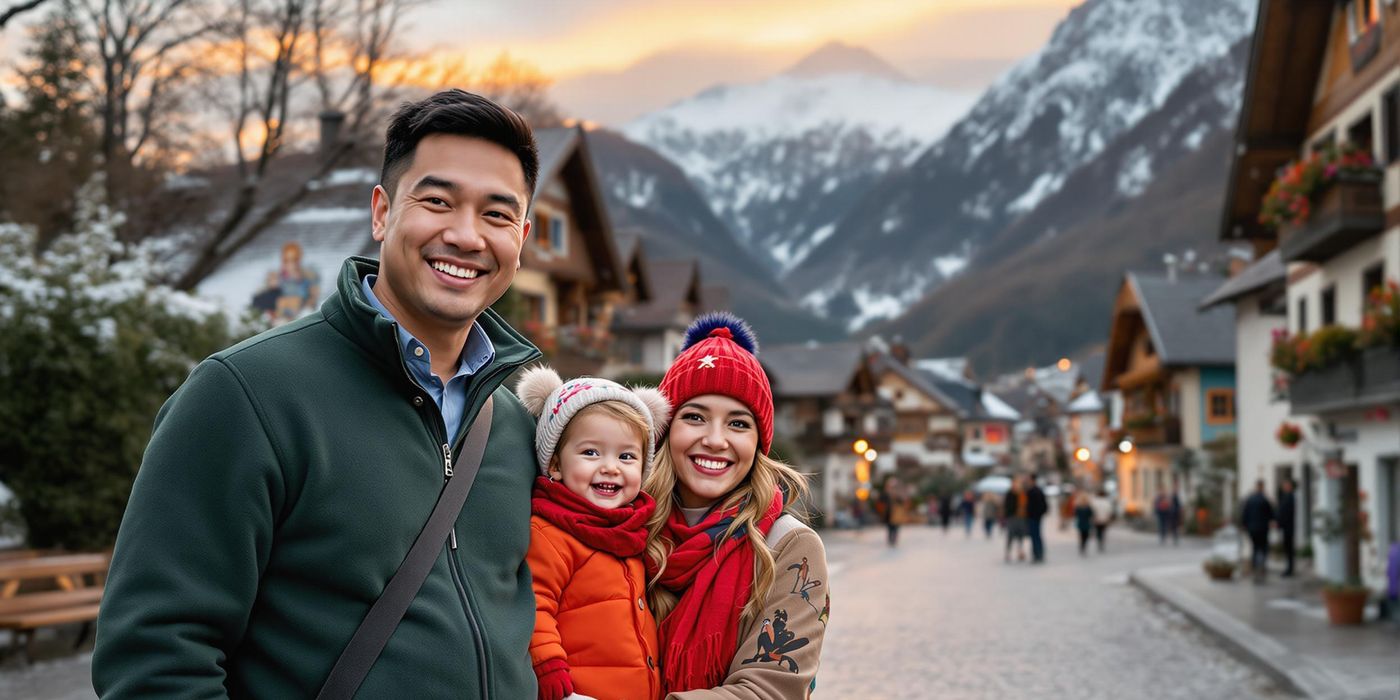
I remember once, while traveling through the German Alps with my family, we stumbled upon a picturesque village just as the sun was setting. The golden light bathed the houses in a warm glow, creating a scene that looked straight out of a fairy tale. I quickly grabbed my camera and captured some of my favorite travel photos ever. Always remember that the sun should be the brightest spot in your picture to properly expose the shot.
Telling Stories Through Images: Capturing Culture and Emotion
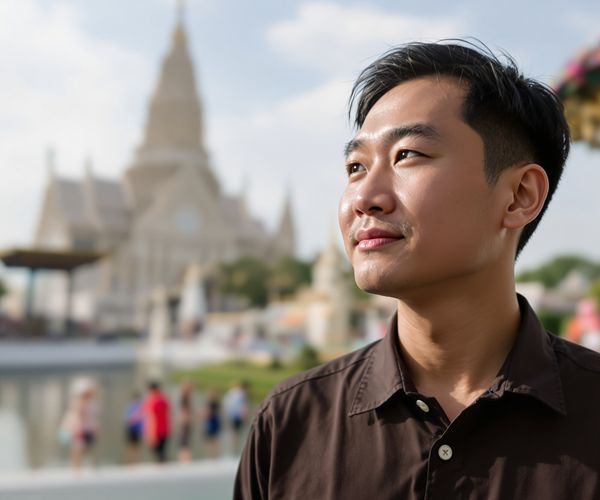
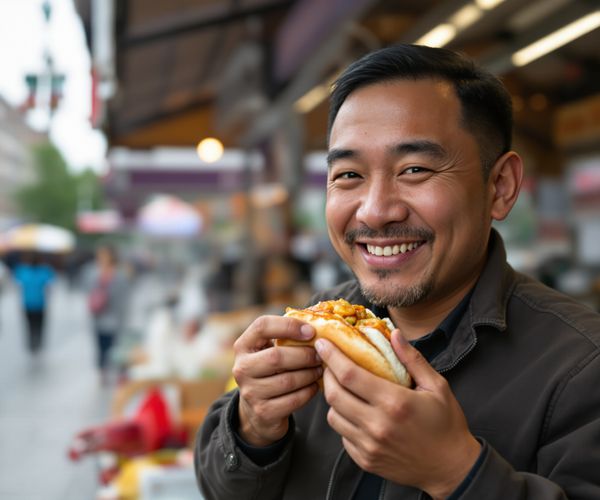
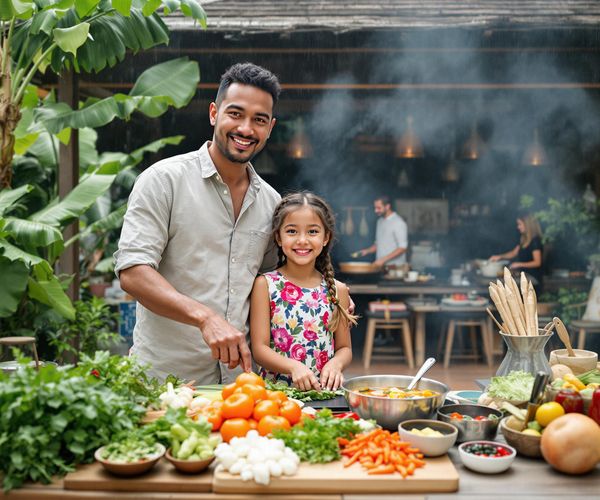
Travel photography is about more than just capturing pretty landscapes. It's about telling stories, documenting cultures, and capturing emotions. When you travel, take the time to immerse yourself in the local culture. Photograph the people, the food, the architecture, the celebrations. Capture the essence of the place and share it with the world.
Candid shots and portraits are a great way to capture emotions and connect with the viewer. Don't be afraid to approach people and ask if you can take their photo. A simple smile and a gesture of respect can go a long way. I've had some of the most rewarding experiences simply by connecting with locals and sharing a moment with them.
Before you start snapping away, take the time to research local customs and traditions. Be respectful of people's privacy and ask for permission before photographing them, especially in culturally sensitive areas. When traveling in Thailand, I always make sure to dress respectfully when visiting temples and avoid pointing my camera directly at people's faces without their consent. It’s important to show both the old and the new, the traditional and the globalized, to honestly record a culture.
Essential Gear: What You Really Need
While fancy equipment can be nice, you don't need it to take great travel photos. In fact, some of my favorite shots were taken with my smartphone! The most important thing is to have a camera that you're comfortable using and that you can take with you everywhere you go.
If you're looking to invest in some gear, I recommend a versatile zoom lens, such as a 24-70mm. This will allow you to capture a wide range of subjects, from landscapes to portraits. A good camera bag is also essential for protecting your gear while you're on the go. And don't forget extra batteries and memory cards! There's nothing worse than running out of power or storage space in the middle of a shoot. Other useful accessories include a tripod, a polarizing filter, and a remote release.
Personally, I prefer to travel light, so I usually stick to my camera, a couple of lenses, and a few essential accessories. I also love using my smartphone for quick snapshots and behind-the-scenes photos. Greta always jokes about how much gear I try to sneak into our luggage!
Post-Processing: Enhancing Your Photos
Post-processing is the final step in the photography process. It's where you can fine-tune your images and bring out their full potential. Simple editing techniques, such as adjusting exposure, contrast, and colors, can make a big difference. There are many user-friendly photo editing apps and software available for beginners. I personally use Adobe Lightroom, but there are plenty of free options as well.
The key to good post-processing is to be subtle. Don't over-edit your photos! The goal is to enhance the natural beauty of the scene, not to create something artificial. I like to think of post-processing as adding the finishing touches to a painting. It should complement the image, not overpower it.
I always try to get it right in the camera as much as possible, rather than relying solely on post-processing. But a little bit of editing can go a long way in bringing out the best in your images.
Being Culturally Sensitive: Respecting People and Places
As travel photographers, we have a responsibility to be culturally sensitive and ethical in our work. This means respecting people's privacy, seeking consent before photographing them, and avoiding any behavior that could be considered offensive or disrespectful.
Before you start photographing people, take the time to learn about their culture and customs. Understand what is considered appropriate and what is not. If you're unsure, it's always best to ask. A simple gesture of respect can go a long way in building trust and rapport.
I always try to interact with locals and communicate my intentions, even if I don't speak their language. A smile, a nod, or a simple hello can break down barriers and create a connection. I also make sure to dress appropriately and avoid any behavior that could be seen as disrespectful. Responsible photography is responsible travel, emphasizing the need for knowledge, interest, and respect. Remember, we are guests in their home, and we should act accordingly.
So there you have it – my simple techniques for capturing stunning travel photography. Remember, it's not about the gear you have, but how you use it. So get out there, explore the world, and start capturing your own amazing travel memories!
Discover the art of travel photography with easy-to-follow tips that will help you capture breathtaking moments and memories using simple techniques. Learn from Somchai's experiences.