Planning a trip should be an exciting adventure in itself, not a stressful puzzle. As a software developer and avid traveler, I've learned that the secret to a truly memorable journey lies in striking the perfect balance between thrilling escapades and moments of serene relaxation. My wife, Élodie, a talented pastry chef, shares my love for exploration, but we also value our downtime. Together, we've crafted itineraries that cater to both our adventurous spirits and our need for tranquility. Let's dive into how you can design your own balanced travel itinerary.
Understanding Your Travel Style: A Foundation for Balance
Before you even begin to look at destinations or activities, it's crucial to understand your travel style. Are you an adrenaline junkie who thrives on extreme sports and fast-paced sightseeing? Or do you prefer a more leisurely pace, soaking in the local culture and enjoying the simple pleasures of life? Perhaps you fall somewhere in between, craving a mix of both.
Different travel styles include:
- Adventure-focused: Emphasizes thrilling activities and outdoor adventures.
- Relaxation-focused: Prioritizes rest, relaxation, and rejuvenation.
- Cultural immersion: Focuses on experiencing local culture, cuisine, and traditions.
Take some time to reflect on your past travel experiences. What did you enjoy the most? What did you find draining or unfulfilling? If you're traveling with a partner or group, it's essential to have an open and honest conversation about everyone's preferences. Élodie and I, for example, always make sure to include both a challenging hike (for me) and a visit to a local patisserie (for her) in our plans. Understanding your travel style, and those of your companions, is the foundation upon which a balanced itinerary is built.
The Art of Prioritization: Defining 'Must-Dos' and 'Nice-to-Haves'
Once you have a good understanding of your travel style, it's time to start prioritizing. With so many incredible things to see and do in the world, it's easy to get overwhelmed. That's why it's essential to create a 'must-do' list – a curated selection of activities and experiences that are non-negotiable for your trip.
Here are a few methods for creating your 'must-do' list:
- Brainstorming: Jot down every activity or experience that comes to mind, no matter how big or small.
- Voting: If you're traveling with a group, have everyone vote on their top choices.
- Categorizing: Group activities by interest (e.g., food, history, nature) to ensure a well-rounded itinerary.
Next, differentiate between essential and optional activities. Your 'must-dos' are the experiences that will make your trip truly special, while 'nice-to-haves' are those that would be enjoyable but aren't critical. This distinction will help you make informed decisions when it comes to time allocation and activity sequencing. On a trip to Italy, Élodie and I had a 'must-do' of visiting the Colosseum and a 'nice-to-have' of taking a cooking class. We made sure the Colosseum was a priority, and if we had time, we'd fit in the cooking class.
Time Allocation: Structuring Your Days for Optimal Enjoyment
Now that you have your prioritized list, it's time to allocate time for each activity. This is where careful planning comes into play. Consider how much time each activity will realistically take, including travel time, potential delays, and buffer time for spontaneous exploration or relaxation.
Tips for estimating travel times:
- Use online mapping tools to get an estimate of travel times between locations.
- Factor in potential delays, such as traffic, construction, or public transportation issues.
- Add buffer time to your schedule to account for unexpected events or simply to allow yourself to relax and enjoy the moment.
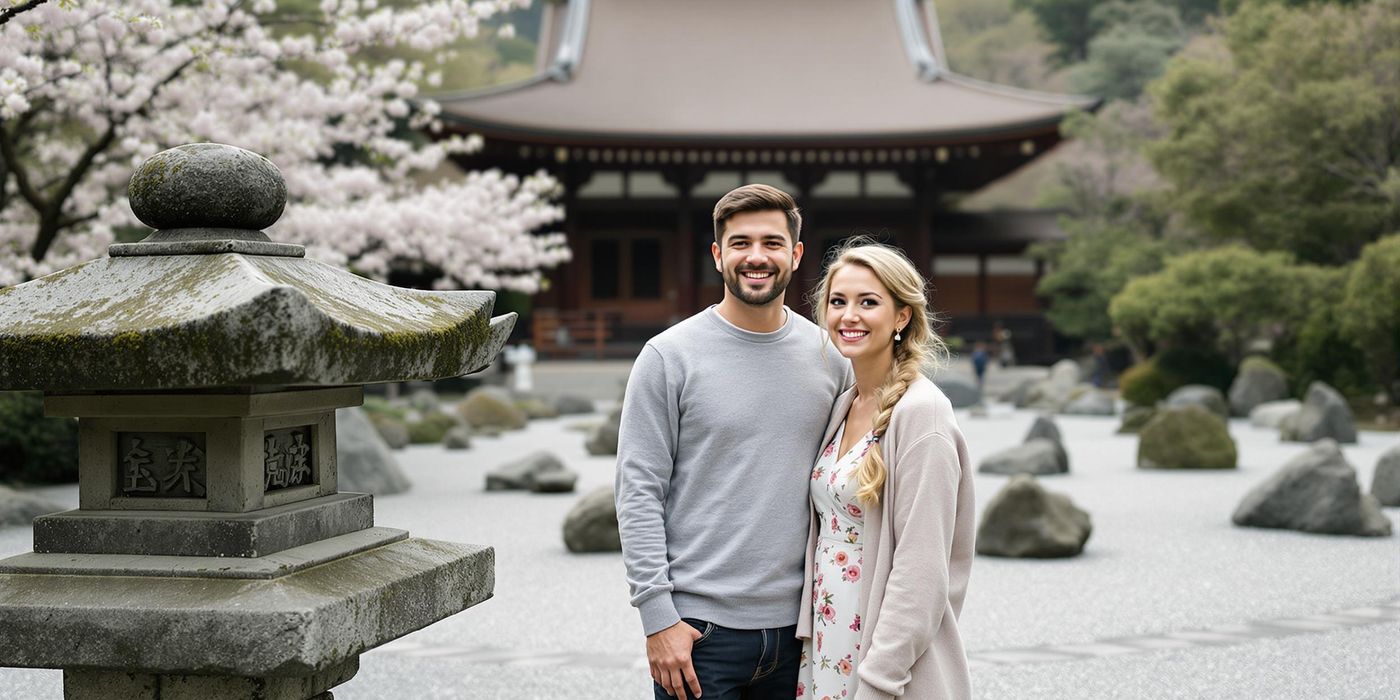
Effective time allocation can significantly enhance your travel experience. For example, on a recent trip to Japan, we allocated an entire day to explore Kyoto's temples and gardens. By allowing ourselves ample time, we were able to fully immerse ourselves in the serene atmosphere and appreciate the intricate details of each site. We weren't rushing from one place to the next, and that made all the difference.
Activity Sequencing: Creating a Rhythm of Excitement and Calm
Activity sequencing refers to the order in which you schedule your activities. It's not just about filling your days with things to do; it's about creating a rhythm of excitement and calm that keeps you engaged and energized throughout your trip. Alternating high-energy activities with periods of relaxation is a great way to achieve this balance.
Examples of effective activity sequences:
- Hiking followed by a spa day.
- Sightseeing in the morning, followed by a relaxing afternoon at a café.
- A cooking class followed by a leisurely dinner.
Building anticipation for upcoming adventures can also enhance your travel experience. For example, if you have a particularly exciting activity planned for the end of the week, tease it throughout the week by sharing photos or stories related to it. This will keep you motivated and engaged, even during periods of downtime. When Élodie and I went to Peru, we scheduled our trek to Machu Picchu for the end of our trip. The anticipation built throughout our journey, making the experience even more rewarding.
Location Considerations: Selecting Destinations that Offer Variety
The destination you choose plays a significant role in your ability to create a balanced itinerary. Some destinations naturally lend themselves to a mix of adventure and relaxation, while others may require a bit more creativity.
Examples of destinations that cater to both adventure and relaxation:
- Costa Rica: Offers rainforests, volcanoes, beaches, and opportunities for surfing, hiking, and wildlife viewing.
- Bali: Known for its beautiful beaches, lush rice paddies, ancient temples, and yoga retreats.
- New Zealand: Boasts stunning landscapes, from snow-capped mountains to pristine beaches, and offers a wide range of activities, from bungee jumping to wine tasting.
Before booking your accommodations, research local activities and attractions. Look for destinations that offer a diverse range of experiences, from natural landscapes to urban environments. Exploring both can add depth and richness to your travel itinerary. We found this to be true in Thailand, where we spent time both in the bustling city of Bangkok and on the tranquil beaches of Phuket.
Accommodation Choices: Finding the Perfect Home Base
Your choice of accommodation can significantly impact your overall travel experience. Consider factors such as location, amenities, and ambiance when making your decision. Do you prefer to stay in a bustling city center, close to the action? Or do you prefer a more secluded location, surrounded by nature?
Examples of accommodations that cater to different travel styles:
- Boutique hotels: Offer a unique and stylish experience, often with personalized service.
- Eco-lodges: Provide a sustainable and immersive experience in nature.
- Resorts: Offer a wide range of amenities and activities, perfect for relaxation and recreation.
Don't forget to read reviews and compare prices before making your final decision. Online travel platforms offer a wealth of information to help you find the perfect home base for your trip. Élodie always insists on reading reviews before we book anything. It's saved us from some potential disasters!
Sample Itineraries: Inspiration for Balanced Travel
To give you a better idea of how to put these principles into practice, here are a few sample itineraries that demonstrate the art of balanced travel:
Itinerary 1: Costa Rica (7 days)
- Day 1: Arrive in San José, transfer to La Fortuna (Arenal Volcano area).
- Day 2: Hiking in Arenal Volcano National Park, soak in hot springs.
- Day 3: Ziplining through the rainforest canopy.
- Day 4: Transfer to Manuel Antonio National Park, relax on the beach.
- Day 5: Wildlife viewing in Manuel Antonio National Park.
- Day 6: Surfing lessons or simply relax on the beach.
- Day 7: Depart from San José.
Itinerary 2: Bali (10 days)
- Day 1: Arrive in Denpasar, transfer to Ubud.
- Day 2: Explore Ubud's rice paddies and temples.
- Day 3: Yoga and meditation retreat.
- Day 4: Cooking class and market tour.
- Day 5: Transfer to Seminyak, relax on the beach.
- Day 6: Surfing lessons or spa day.
- Day 7: Explore Seminyak's shops and restaurants.
- Day 8: Day trip to Uluwatu Temple.
- Day 9: Relax on the beach or explore more of Bali.
- Day 10: Depart from Denpasar.
Remember, these itineraries are just a starting point. Feel free to adapt them to your own preferences and interests. The key is to find a balance that works for you and allows you to fully enjoy your travel experience.
Learn how to craft a travel itinerary that perfectly balances thrilling adventures with serene relaxation. Discover tips and examples for a fulfilling journey.