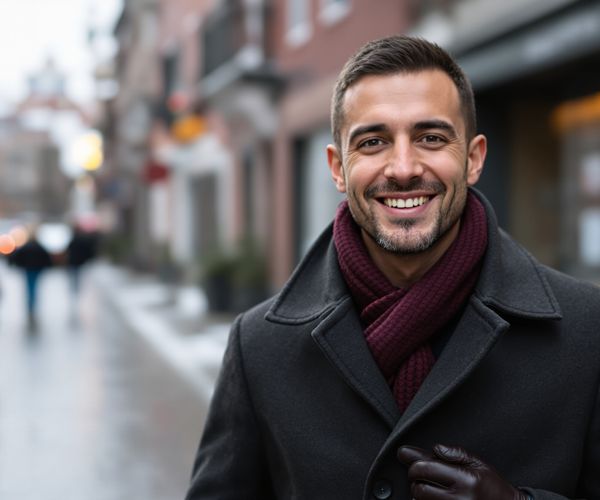
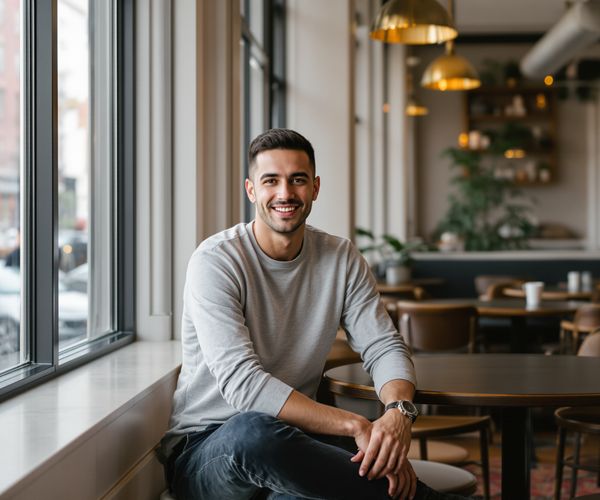
Bonjour, fellow travelers! Thomas here, ready to share some insights on how to truly capture the soul of a place through your lens. As a software developer by day and a passionate photographer by hobby, I've learned a thing or two about blending technical skills with artistic vision, especially when exploring new cultures and landscapes. So, grab your camera, and let's dive into some practical tips to make your travel photos more than just snapshots – let's make them stories.
Pre-Trip Planning and Preparation
Before even thinking about f-stops and shutter speeds, a bit of preparation can make all the difference. Think of it as laying the groundwork for your visual storytelling.
- Researching the Destination: Immerse yourself in the culture before you even pack your bags. Understand the local customs, traditions, and key attractions. Read blogs, watch documentaries, and maybe even try a local dish at a restaurant near you to get a feel for the place.
- Creating a Shot List: A shot list isn't about being rigid; it's about having a vision. Jot down the scenes, landmarks, or moments you'd love to capture. This will help you stay focused and ensure you don't miss out on key opportunities.
- Understanding Local Laws and Regulations: Nobody wants a run-in with the authorities while on vacation. Check the local laws regarding photography, especially concerning drone usage and permits. Respecting these rules is crucial.
- Essential Camera Gear for 2025: In 2025, the camera landscape is diverse. Mirrorless cameras offer a great balance of size and performance, DSLRs provide robust options, and even compact cameras pack a punch. Consider what fits your style and needs.
- Choosing the Right Lenses: Versatility is key. A wide-angle lens is perfect for landscapes, a standard lens is great for everyday shots, and a telephoto lens lets you zoom in on distant details. If you can only bring a few, these three are a solid start.
- Packing Essential Accessories: Don't forget the essentials! A tripod is indispensable for low-light shots and long exposures. Filters can enhance colors and reduce glare. And, of course, bring extra batteries and memory cards – you never want to run out of juice mid-adventure.
Mastering Composition Techniques
Composition is the art of arranging elements within your frame to create a visually appealing image. Here are a few techniques to elevate your photos:
- Applying the Rule of Thirds: Imagine dividing your frame into nine equal parts with two horizontal and two vertical lines. Place key elements along these lines or at their intersections to create balanced and engaging images.
- Using Leading Lines: Use lines—roads, rivers, fences—to draw the viewer's eye into the scene. Leading lines create depth and guide the viewer through your photo.
- Framing Subjects: Use natural elements like trees, archways, or windows to frame your subject, adding depth and context to the image.
- Utilizing Symmetry and Reflections: Symmetry can create striking and visually pleasing compositions. Look for reflections in water or symmetrical architecture to add a unique touch.
- Creating Depth: Incorporate foreground, midground, and background elements to create a sense of depth in your photos. This makes the image feel more immersive.
- Experimenting with Different Perspectives: Don't be afraid to change your vantage point. Shooting from high and low angles can reveal new and interesting perspectives.
- Capturing a Mix of Shots: Tell a complete story by capturing a variety of shots. Wide shots establish the scene, mid shots provide context, and close-ups highlight details.
- Using Shapes and Patterns: Look for interesting shapes and patterns in your environment. They can create abstract and visually appealing images.
Capturing Cultural and Scenic Elements Authentically
The most rewarding travel photos are those that capture the true essence of a place. Here’s how to do it:
- Interacting with Locals: Engage with the people you meet. Ask about their lives, traditions, and stories. These interactions can lead to some of the most meaningful and authentic photos.
- Photographing Local Markets, Festivals, and Cultural Events: Immerse yourself in the local culture by attending markets, festivals, and events. These are great opportunities to capture vibrant and authentic moments.
- Documenting Traditional Architecture and Landmarks: Capture the unique architectural styles and landmarks that define a place. These images can tell a story about the history and culture of the destination.
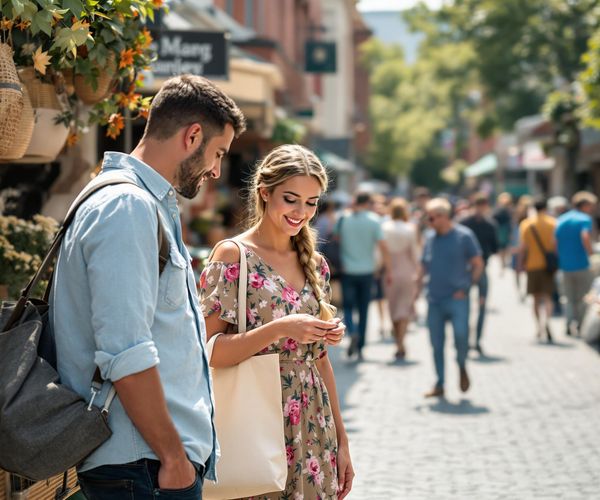
- Capturing Candid Moments: Candid shots often reveal the most genuine emotions and interactions. Be patient and observant, and you'll capture some truly special moments.
- Showcasing the Local Cuisine: Food is an integral part of any culture. Photograph local dishes, markets, and culinary traditions to showcase the gastronomic side of your travels.
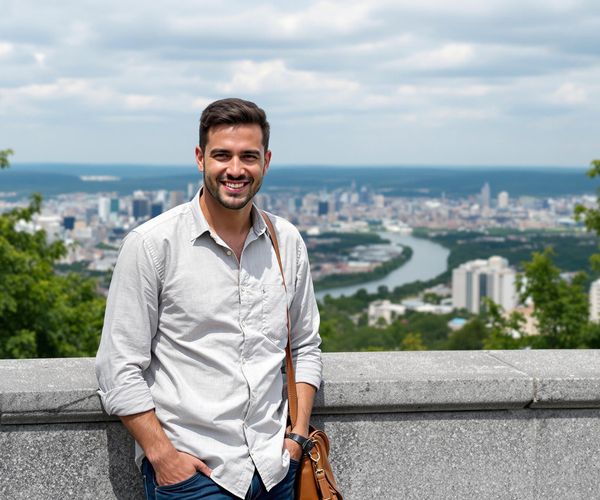
- Highlighting the Natural Beauty: Don't forget to capture the natural beauty of the landscape. Whether it's mountains, forests, or coastlines, these images can showcase the unique environment of your destination.
Technical Tips for Travel Photography
Now, let's talk about the technical aspects of photography. Understanding your camera settings is essential for capturing high-quality images.
- Understanding Camera Settings: Learn how to adjust aperture, shutter speed, and ISO to control the exposure and depth of field in your photos.
- Shooting in RAW Format: Shooting in RAW format gives you greater flexibility in post-processing, allowing you to make more adjustments without sacrificing image quality.
- Utilizing Different Shooting Modes: Experiment with aperture priority, shutter priority, and manual mode to gain more control over your camera settings.
- Mastering Focus Techniques: Learn how to use autofocus and manual focus to ensure your images are sharp and in focus.
- Using a Tripod: A tripod is essential for capturing sharp images in low light and long exposures. It also helps stabilize your camera for landscape shots.
- Shooting at Sunrise and Sunset: The golden hour (sunrise and sunset) provides the best light for photography. The warm, soft light can enhance colors and create a magical atmosphere. Don't forget the blue hour just before sunrise or just after sunset for a different mood.
- Utilizing Filters: Polarizing filters can reduce glare and enhance colors, while ND filters can help you capture long exposures in bright light.
- Adjusting White Balance: Adjusting white balance ensures that your colors are accurate, especially when shooting in different lighting conditions.
Ethical Considerations and Cultural Sensitivity
As travelers and photographers, it’s our responsibility to be respectful and ethical in our interactions. Here are some key considerations:
- Seeking Permission: Always ask for permission before photographing people, especially in sensitive situations. A simple gesture and a smile can go a long way.
- Respecting Local Customs: Be mindful of local customs and traditions. Dress appropriately and avoid behaviors that may be considered disrespectful.
- Avoiding Stereotypes: Be conscious of how you portray different cultures. Avoid stereotypes and misrepresentations.
- Being Mindful of Privacy: Respect people's privacy and portrait rights. Avoid photographing people in private or intimate situations without their consent.
- Avoiding Exploitation: Be mindful of vulnerable populations and avoid exploiting them for your photography.
- Practicing Responsible Wildlife Photography: Respect wildlife and their habitats. Avoid disturbing animals or damaging their environment.
- Understanding 'No Photography' Signs: Always respect 'no photography' signs, especially in religious sites or ceremonies.
- Being Aware of Cultural Sensitivities: Be aware of cultural sensitivities around religious sites or ceremonies. Some places may have restrictions on photography, and it's important to respect these rules.
Post-Processing Techniques
Post-processing is the final step in the photography process. It's where you can fine-tune your images and bring out their full potential.
- Basic Editing Techniques: Adjust exposure, contrast, and white balance to enhance the overall look of your photos.
- Enhancing Colors and Details: Use editing tools to enhance colors and bring out fine details in your images.
- Removing Distractions: Remove any distracting elements or blemishes from your photos to create a cleaner and more polished look.
- Cropping and Straightening: Crop your images to improve composition and straighten any tilted horizons.
- Using Selective Editing: Use selective editing tools to highlight specific areas or elements in your photos.
- Converting to Black and White: Experiment with converting your images to black and white to create a timeless and artistic look.
- Maintaining Authenticity: Avoid over-editing your photos. The goal is to enhance the story, not alter it.
- Enhancing the Story: Use post-processing to enhance the story you're trying to tell without altering its essence.
So, there you have it – a few tips to help you capture the essence of your travels. Remember, photography is about more than just taking pictures; it's about telling stories and preserving memories. Now, go out there and capture the world!
Practical photography tips tailored to travelers, focusing on capturing cultural and scenic elements authentically. Advice on equipment and composition included.