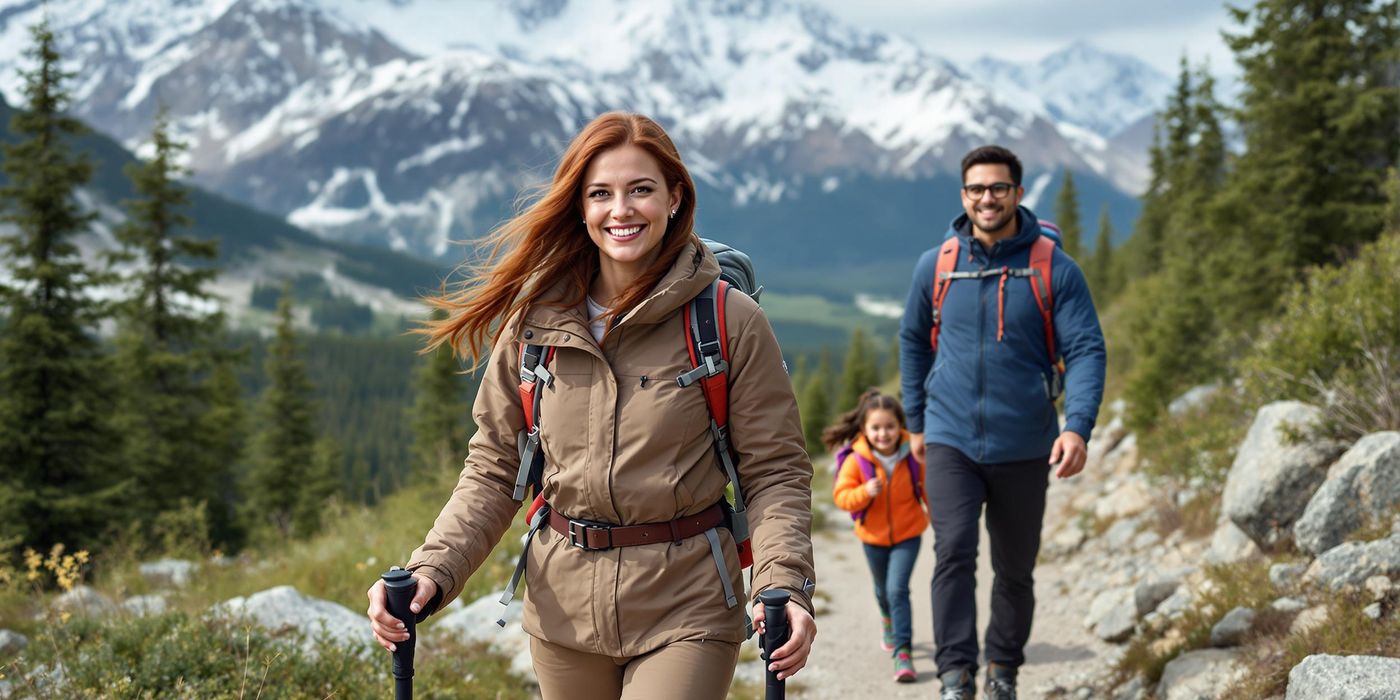
Planning Your Hike: Location, Weather, and Difficulty
Choosing the right trail is the first step to a successful hike. Consider everyone's experience level, especially when hiking with family. Sophie, my daughter, has been joining us on hikes since she was little, but we always opt for trails that are suitable for her age and stamina. Start with shorter, well-maintained paths and gradually increase the difficulty as your family's confidence grows.
Before you even lace up your boots, check the weather forecast. Mountain weather can change rapidly, and it's crucial to be prepared for potential hazards like sudden rain, temperature drops, or even thunderstorms. Understanding the forecast will help you choose the right clothing and gear.
Never underestimate the importance of trail maps and navigation tools. While GPS devices are incredibly useful, it's wise to carry a traditional map and compass as a backup. Knowing how to use them is essential, especially in areas with limited cell service. Before heading out, study the trail map, identify landmarks, and familiarize yourself with the route. Several apps are available that allow you to download offline maps.
Always inform someone about your hiking plans, including your intended route and expected return time. This simple step can be a lifesaver in case of an emergency. Leave a detailed itinerary with a trusted friend or family member, and be sure to check in with them upon your return.
Essential Gear: The Hiking Checklist
Having the right gear can make all the difference between a pleasant hike and a miserable experience. Here's a comprehensive checklist of hiking essentials:
- Backpack: Choose a backpack that fits your torso length and has enough capacity for your gear. Consider a smaller pack for day hikes and a larger one for overnight trips.
- Footwear: Hiking boots provide ankle support and traction on uneven terrain, while trail runners are lighter and more flexible. Proper fit is crucial to prevent blisters. Break in your boots before hitting the trail to avoid discomfort.
- Clothing: Dress in layers to adapt to changing weather conditions. A moisture-wicking base layer, an insulating mid-layer (like fleece), and a waterproof and windproof outer shell are essential.
- Navigation: A map, compass, and GPS device are crucial for staying on course. Learn how to use them effectively before your hike.
- Hydration: Carry enough water for your hike, and consider bringing a water filter or purification tablets to replenish your supply from natural sources.
- Nutrition: Pack high-energy snacks like trail mix, energy bars, and dried fruit to keep your energy levels up. For longer hikes, bring a lightweight, nutritious meal.
- First-aid kit: Include essential items for treating common hiking injuries like blisters, cuts, and sprains. Know how to use each item in your kit.
- Sun protection: Sunscreen, sunglasses, and a hat are essential for protecting yourself from the sun's harmful rays, even on cloudy days.
- Emergency shelter: A lightweight tarp or bivy sack can provide protection from the elements in case of an unexpected overnight stay.
- Headlamp or flashlight: With extra batteries, is crucial for hiking in low light conditions or in case you get delayed on the trail.
- Knife or multi-tool: For various tasks such as cutting rope, repairing gear, or preparing food.
- Fire starter: Waterproof matches or a lighter can be essential for warmth and signaling in emergencies.
- Repair kit: Duct tape, cordage, and basic repair tools can help you fix damaged gear on the trail.
- Whistle: For signaling in emergencies. Six short blasts followed by a minute of silence is the proper way to signal for help.
Safety Tips for a Worry-Free Hike
Safety should always be your top priority when hiking. Here are some tips to help you have a worry-free experience:
- Stay on marked trails and avoid shortcuts. Getting lost is one of the most common hiking emergencies.
- Be aware of wildlife and take necessary precautions. Research the area you'll be hiking in and learn about potential wildlife encounters. Store food properly and carry bear spray in bear country.
- Practice Leave No Trace principles to minimize your impact on the environment. Pack out everything you pack in, stay on established trails, and avoid disturbing vegetation or wildlife.
- Learn how to deal with common hiking injuries like blisters, sprains, and cuts. A well-stocked first-aid kit and basic knowledge of first aid are essential.
- Know what to do if you get lost. Stay calm, stay put, and use your whistle to signal for help. Use your map and compass to try and determine your location.
- Recognize and avoid hypothermia and heatstroke. Dress appropriately for the weather, stay hydrated, and take breaks in the shade when needed.
Family-Friendly Hiking: Tips for Hiking with Children
Hiking with children can be a rewarding experience for the whole family. Here are some tips for making it fun and safe:
- Choose age-appropriate trails and distances. Start with shorter, easier hikes and gradually increase the difficulty as your children's stamina improves.
- Pack extra snacks and water for kids. Children tend to get hungry and thirsty more often than adults.
- Make hiking fun with games and activities. Play I Spy, go on a scavenger hunt, or tell stories along the way.
- Teach children about trail safety and Leave No Trace principles. Involve them in the planning process to build excitement and a sense of responsibility.
- Involve children in the planning process to build excitement.
Swiss Hiking Traditions and Influences
Growing up in Switzerland, hiking wasn't just an activity; it was a way of life. From a young age, I was taught the importance of preparedness and respect for nature – values that I carry with me to this day. Swiss hiking traditions emphasize meticulous planning, carrying high-quality gear, and leaving no trace behind. This upbringing instilled in me a deep appreciation for the mountains and a commitment to responsible outdoor recreation.
One specific Swiss tradition I incorporate into my hikes is the use of sturdy hiking poles. They provide extra stability on steep terrain and help reduce strain on my knees. I also always carry a Swiss Army knife, a versatile tool that has come in handy on countless occasions.
Ultimately, whether you're exploring the Swiss Alps or the Canadian Rockies, the key to a safe and enjoyable hike is preparation. By following these tips and embracing a spirit of adventure, you can create lasting memories on the trail.
A comprehensive guide on how to prepare for a safe and enjoyable hike. Includes a checklist for hiking essentials and tips for planning hikes in family-friendly locations.