In today's fast-paced world, the allure of ticking off destinations can overshadow the beauty of truly experiencing a place. As a Swiss native living in Toronto, I've always valued a deeper connection to nature and culture. This is why I'm a passionate advocate for slow travel – a mindful approach that prioritizes sustainability, cultural immersion, and meaningful experiences. Join me as we explore the art of slowing down and discovering the world in a more profound way.
What is Slow Travel?
Slow travel is more than just a leisurely vacation; it's a conscious choice to embrace a more sustainable and culturally rich way of exploring the world. It's about savoring each moment, connecting with local communities, and understanding the essence of a place, rather than rushing through a checklist of tourist spots. It's a shift from quantity to quality, from superficial sightseeing to genuine immersion.
Think of it as the travel equivalent of the slow food movement, which emphasizes fresh, local ingredients and traditional cooking methods. Just as slow food nourishes the body and soul, slow travel nourishes the mind and spirit. Growing up in Sarnen, Switzerland, surrounded by stunning landscapes, instilled in me a deep appreciation for nature and a desire to travel in a way that respects the environment and local cultures.
The Benefits of Slowing Down
The advantages of slow travel extend far beyond a more relaxed pace. One of the most significant benefits is the reduced environmental impact. By choosing slower modes of transportation, staying longer in one place, and supporting local businesses, we can minimize our carbon footprint and contribute to a more sustainable tourism industry.
Slow travel also offers the opportunity for deeper cultural connections. When we take the time to engage with locals, learn about their traditions, and participate in community events, we gain a richer understanding of the world around us. This immersion can lead to transformative experiences and a sense of belonging that is often missing from traditional tourism.
Beyond the environmental and cultural benefits, slow travel can also reduce stress and enhance well-being. By slowing down, we allow ourselves to fully appreciate the present moment, disconnect from the pressures of daily life, and reconnect with ourselves. Plus, longer stays and living like a local can often lead to cost savings, making travel more accessible and sustainable in the long run.
During my own slow travels, I've had the chance to learn new recipes from around the world, pick up basic phrases in different languages, and gain a deeper appreciation for the diversity of human experience. These are the moments that stay with me long after the trip is over.
Reducing Your Travel Carbon Footprint
One of the key principles of slow travel is minimizing our environmental impact. There are many ways to reduce your travel carbon footprint, starting with choosing slower modes of transportation. Trains, buses, and cycling are all excellent alternatives to flying, allowing you to enjoy the scenery and reduce your emissions.
If flying is unavoidable, opt for direct flights whenever possible. Layovers significantly increase fuel consumption. Packing light is another simple way to reduce fuel consumption, as every extra pound contributes to the overall weight of the aircraft.
Once you arrive at your destination, make use of public transportation or consider renting an electric vehicle. When choosing accommodations, look for eco-friendly hotels or guesthouses that prioritize sustainability. Similarly, when selecting activities, opt for eco-tours and experiences that support conservation efforts.
Traveling with my family, I've learned to be mindful of our environmental impact. We bring reusable water bottles and shopping bags, avoid single-use plastics, and choose accommodations that have strong sustainability practices. These small changes can make a big difference.
Engaging with Local Communities
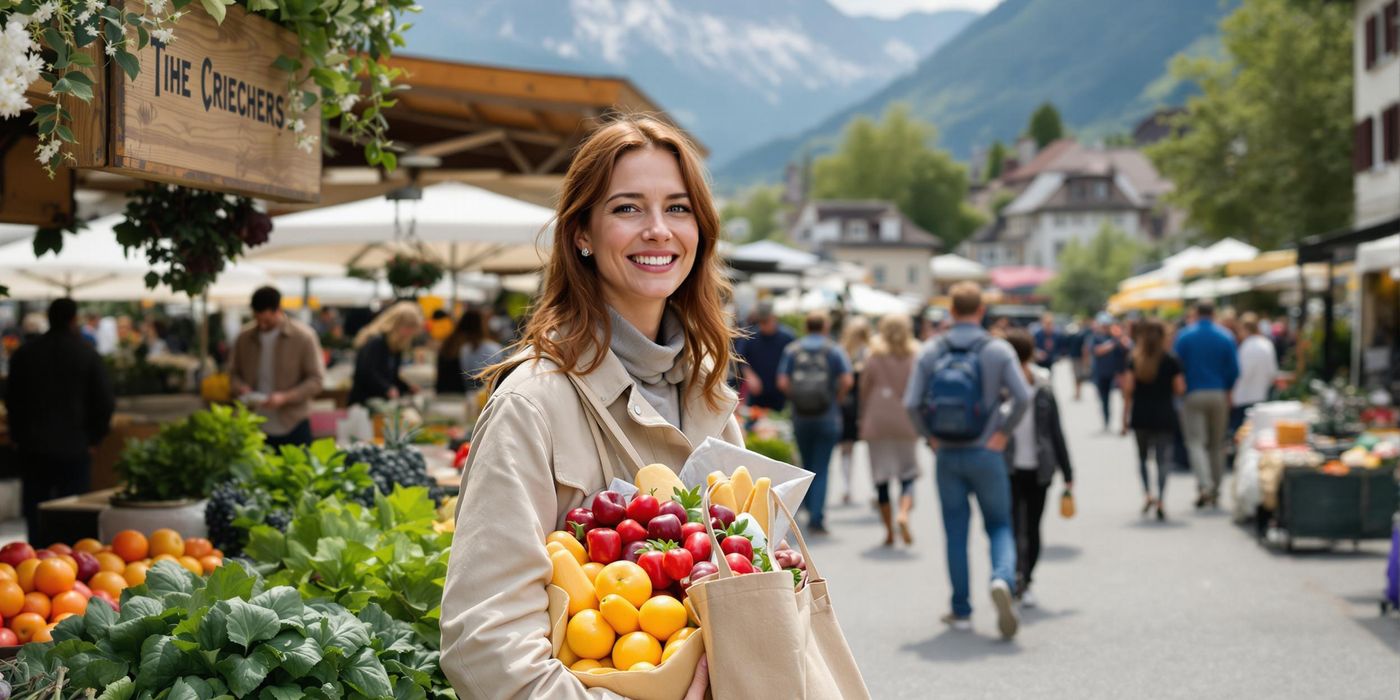
One of the most rewarding aspects of slow travel is the opportunity to connect with local communities. By supporting local businesses and artisans, we can help to sustain local economies and preserve traditional crafts. Seek out family-run restaurants, independent shops, and local markets.
Participating in local festivals, workshops, and events is another great way to immerse yourself in the culture. These experiences offer a glimpse into the traditions, customs, and values of the community. Learning a few basic phrases in the local language can also go a long way in building connections and showing respect.
Consider volunteering or supporting community projects during your travels. This can be a meaningful way to give back and make a positive impact on the lives of others. Remember to always respect local culture and traditions, even if they differ from your own. Dress modestly when visiting religious sites, be mindful of local customs, and avoid making assumptions or judgments.
Living in Toronto, I've had the opportunity to attend numerous cultural festivals that celebrate the city's diverse communities. These experiences have reinforced the importance of cultural understanding and respect. I also try to incorporate Swiss values, such as punctuality and respect for nature, into my travels.
Sustainable Practices to Embrace
Sustainability is at the heart of slow travel. By adopting sustainable practices, we can minimize our impact on the environment and contribute to a more responsible tourism industry. Reducing waste is a simple but effective way to make a difference. Bring reusable water bottles, coffee cups, and shopping bags to avoid single-use plastics.
Conserving water and energy is also crucial. Take shorter showers, turn off lights when you leave a room, and avoid wasting resources. Choose accommodations that have water and energy-saving measures in place. Be a responsible consumer by purchasing locally made products and supporting businesses that prioritize ethical practices.
When exploring natural habitats, respect wildlife and avoid disturbing their environment. Stay on marked trails, avoid feeding animals, and dispose of waste properly. As someone committed to sustainable living, I always try to integrate these practices into my travel plans. Whether it's choosing eco-friendly excursions or volunteering with local conservation groups, there are countless ways to travel more responsibly.
Explore the concept of slow travel, emphasizing how it can lead to more meaningful travel experiences while supporting local economies. Discover the benefits of sustainable travel.