Cultural Exploration of Ayacucho with Family
Day 5: Reflecting on Remembrance and Art in Ayacucho
A day of reflection in Ayacucho exploring the depths of memory and vibrant artistry with family in the heart of Peru.

Echoes of the Past, Visions of the Future
Today in Ayacucho was a powerful blend of somber reflection and vibrant artistic expression. I wanted to immerse myself and Mateo in the complex history of this region, while also celebrating its enduring creativity. It was a day of contrasts, one that touched our hearts and minds deeply.
Our day began with a hearty breakfast at Nina Andina. Sophie and Mateo both enjoyed some delicious salitas. Mateo was particularly excited about the maracuya sauce. I opted for a more traditional offering, a strong coffee and some fresh bread. Fueled up, we set off to confront some difficult truths at the Museo de la Memoria.
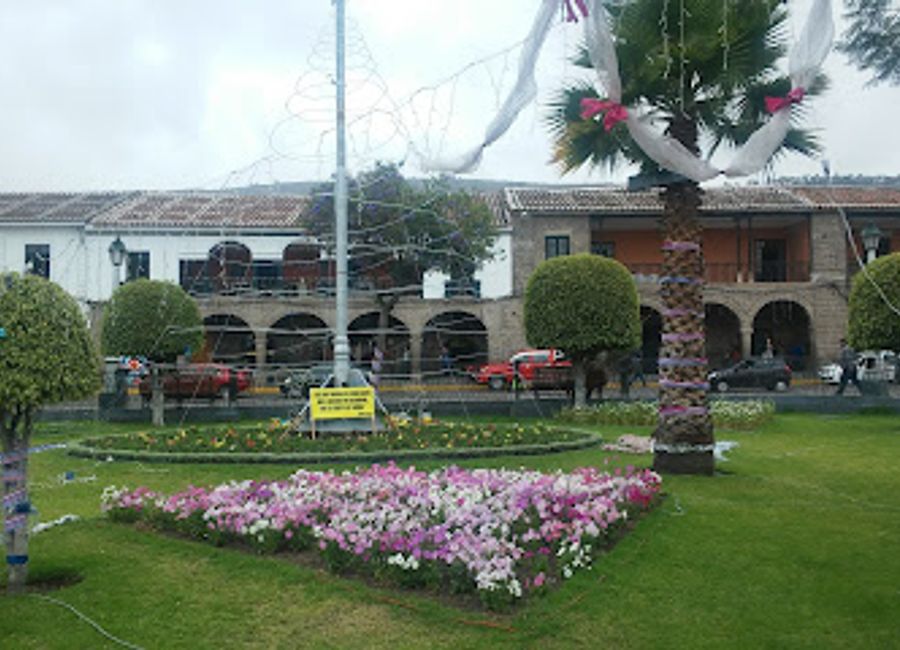
Explore the profound history of Peru at Museo de la Memoria, a heartfelt tribute to resilience and remembrance in Ayacucho.
The Museo de la Memoria, or Memory Museum, stands as a stark reminder of Peru's internal conflict from 1980 to 2000. As someone born in Huancavelica, the stories of those years are not distant history; they are woven into the fabric of my being. Walking through the exhibits with Mateo, I felt a profound responsibility to ensure he understands this part of our heritage. The museum meticulously chronicles the causes, events, and aftermath of the conflict, primarily through the eyes of the victims. It's a difficult experience, but a necessary one.
The museum is not lavish; it's a humble space filled with powerful testimonies and objects. Mateo was particularly moved by the recreations of torture chambers and mass graves, stark reminders of the atrocities committed. I tried to explain to him the importance of remembering these events, of learning from them so that history does not repeat itself. It was a heavy conversation for a ten-year-old, but I believe it's crucial for him to understand the complexities of our past.
One exhibit that struck me deeply was the collection of photographs of the disappeared. Each face represented a life stolen, a family torn apart. I found myself lingering there, trying to imagine the stories behind those eyes, the hopes and dreams that were extinguished. It was a stark reminder of the human cost of conflict, a cost that continues to resonate in communities across Peru.
Those who do not remember the past are condemned to repeat it.
Leaving the Museo de la Memoria, we needed a change of pace. So, we headed to Casa Museo Joaquín López Antay.

Explore the Casa Museo Joaquín López Antay in Ayacucho, where rich history and exquisite handicrafts come alive, offering a unique glimpse into local culture.
The contrast was stark, moving from the depths of sorrow to the heights of artistic expression. Joaquín López Antay was a celebrated artisan from Ayacucho, known as the creator of the retablo ayacuchano. A retablo is an ornamental, traditionally religious, art piece displayed inside the churches. But López Antay innovated, incorporating costumbrista motifs depicting traditional festivities and daily life in the Andes.
The Casa Museo is a charming space, filled with López Antay's original tools, sketches, and finished retablos. It felt like stepping back in time, into the workshop of a master craftsman. Mateo was fascinated by the intricate details of the retablos, the tiny figures and vibrant colors that brought the scenes to life. The museum showcases the evolution of the retablo, from its religious origins to its more secular and costumbrista forms.
I was particularly drawn to the retablos depicting scenes of everyday life in the Andes: farmers tending their fields, families celebrating festivals, musicians playing traditional instruments. These were not just works of art; they were snapshots of a culture, a way of life that López Antay was determined to preserve. It reminded me of my own childhood in Huancavelica, of the traditions and customs that shaped me.
The Casa Museo also highlights López Antay's role in elevating indigenous art and culture. In 1975, he was the first folk artist to receive the Premio Nacional de Cultura, a recognition that sparked a national debate about the value of indigenous art versus academic art. It was a victory for the indigenist movement, a recognition of the importance of preserving and celebrating our cultural heritage. Mateo was particularly interested in the story of how López Antay started making retablos, how he learned from his grandmother and how he was inspired by the world around him. It was a reminder that art can come from anywhere, from any background.
After immersing ourselves in art and history, we took a break for lunch at Restaurante Carbon y Vino.

Experience the rich flavors of Peru at Restaurante Carbon y Vino in Ayacucho - where tradition meets culinary artistry.
The restaurant had a cozy, welcoming atmosphere, and the menu featured a mix of traditional Peruvian dishes and international cuisine. I opted for the fish stew, which was highly recommended. It was a hearty, flavorful dish that warmed us from the inside out. Sophie enjoyed a steak and Mateo devoured a pizza. It was the perfect way to refuel after a day of exploring.
In the afternoon, we visited Artesanías Textiles Ayacucho.
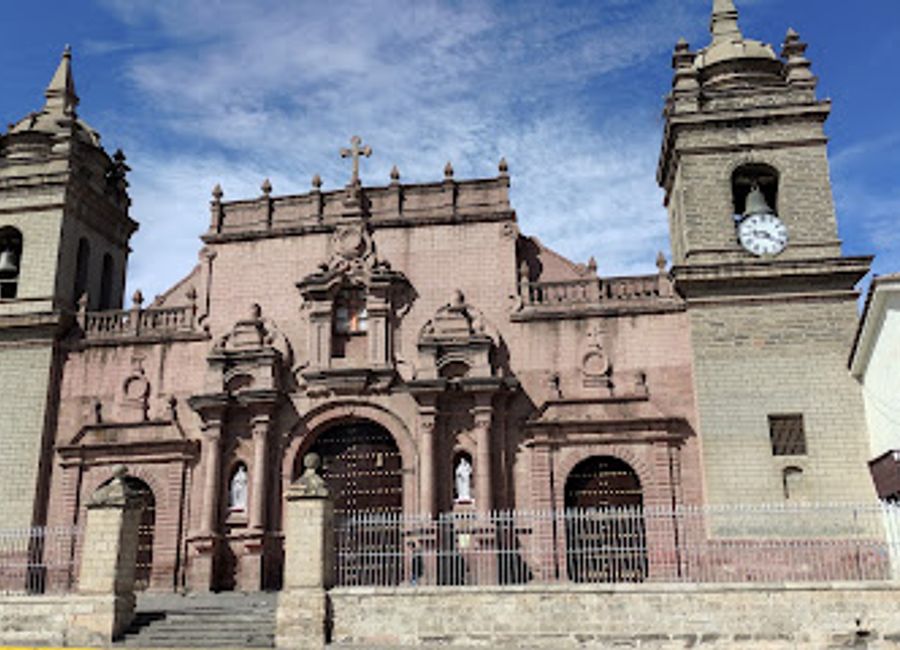
Explore the vibrant world of Peruvian textiles at Artesanías Textiles Ayacucho – a treasure trove of handcrafted artistry and cultural heritage.
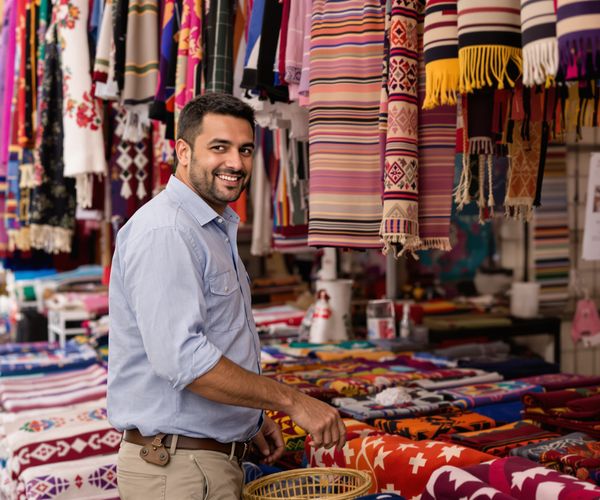
A local shop showcasing the region's rich textile traditions. Ayacucho is known for its vibrant textiles, handwoven using traditional techniques passed down through generations. The shop was filled with colorful tapestries, ponchos, and other handcrafted items. It was a feast for the eyes, a celebration of the skill and artistry of the local weavers.
I was particularly interested in the process of natural dyeing, using plants and other natural materials to create the vibrant colors. The shop owner explained to me the different techniques and the significance of the various patterns and designs. Each textile told a story, a reflection of the region's history and culture. Mateo was fascinated by the looms, watching the weavers skillfully create intricate patterns with their hands.
We purchased a few small items as souvenirs, a reminder of our visit to Ayacucho and a way to support the local artisans. I chose a small tapestry with a traditional Andean design, while Sophie picked out a colorful poncho for Mateo. It was a way to bring a piece of Ayacucho back home with us, to keep the memories of our trip alive.
As the day drew to a close, we headed to Fuziones Restaurante for dinner.

Discover exquisite Peruvian cuisine at Fuziones Restaurante in Ayacucho – where tradition meets innovation in every bite.
The restaurant was located on a hill overlooking the city, offering stunning views of the surrounding landscape. The atmosphere was relaxed and inviting, the perfect place to unwind after a long day. We enjoyed a delicious meal, savoring the flavors of Peruvian cuisine while watching the sunset over Ayacucho. The food was delicious, with a modern take on Peruvian classics.
I reflected on the day, on the contrasts between the Museo de la Memoria and the Casa Museo Joaquín López Antay, between the somber reminders of the past and the vibrant expressions of the present. Ayacucho is a city of resilience, a city that has endured much suffering but has never lost its spirit. It's a city that celebrates its culture, its art, and its traditions, a city that is determined to build a better future.
Tomorrow, we venture outside the city to explore the natural wonders of Bosque de Piedras de Huaraca and Caños de Qorihuilca. I'm eager to show Mateo the beauty of the Andean landscape, to connect him with the natural world that has shaped our culture. But for now, I'm content to savor the memories of today, to reflect on the lessons learned and the beauty experienced. Tonight, I think I will take out my Quena and play a few tunes.
Ayacucho is a testament to the enduring power of the human spirit, a reminder that even in the face of adversity, beauty and hope can prevail.
Good night from Ayacucho.


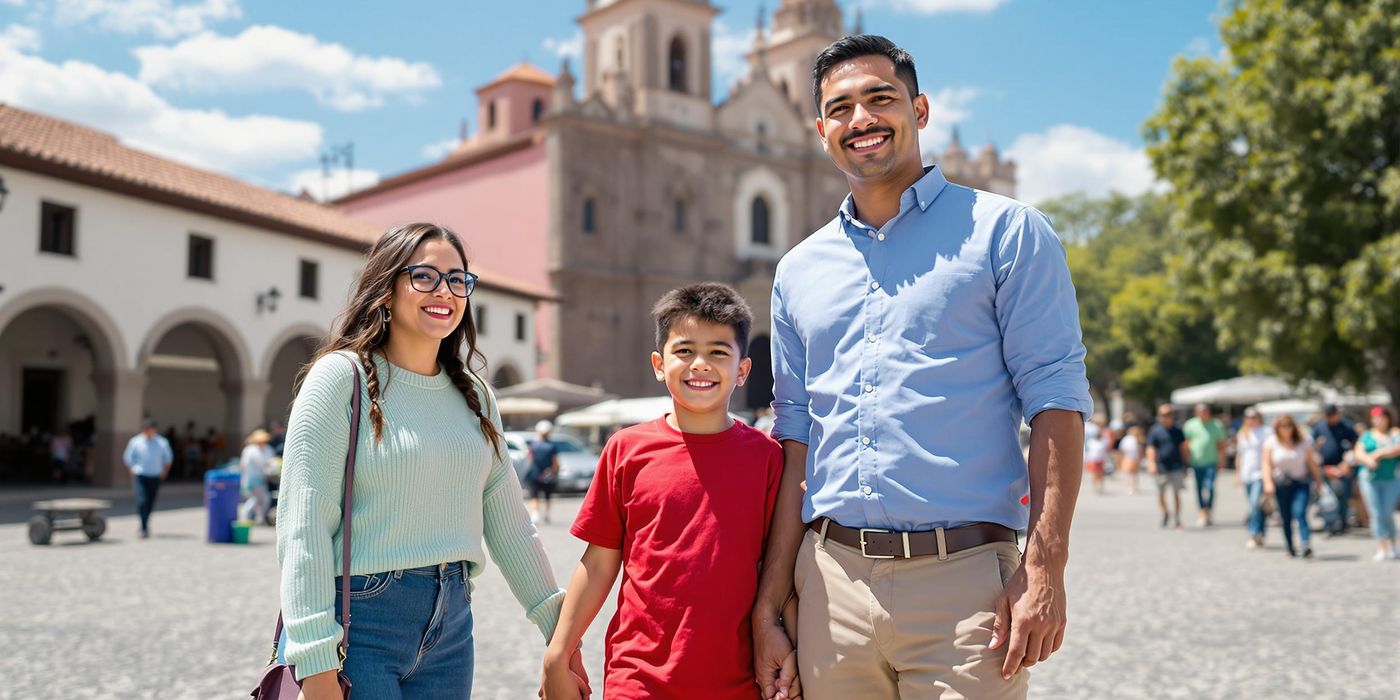
Join Juan Quispe and family on an enriching journey through Ayacucho's historical and cultural wonders in the heart of Peru.
Meet this Featured Explorer
-
 Occupation:
Restoration Technician specializing in historical buildings
Occupation:
Restoration Technician specializing in historical buildings
-
 Country:
Canada
Country:
Canada
-
 Age:
42
Age:
42
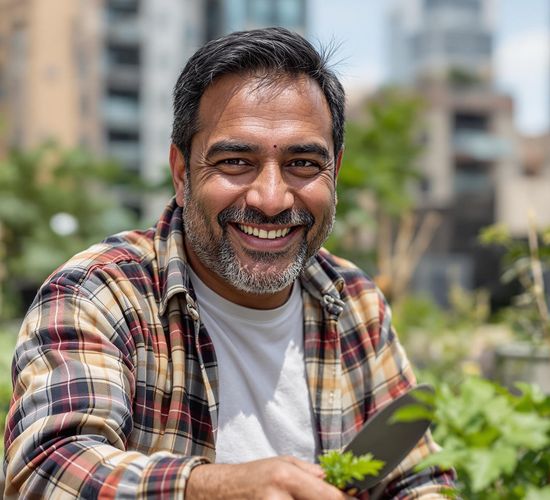
¡Hola, amigos! I'm Juan Quispe, a Peruvian-born restoration technician living in Montreal. My journey has taken me from the Andean highlands of Huancavelica to the vibrant streets of Montreal, and along the way, I've developed a deep appreciation for history, culture, and craftsmanship. Through this blog, I share my passion for travel, exploring historical sites, savoring South American cuisine, and preserving cultural heritage. Join me as I recount my adventures with my wife, Sophie, and our son, Mateo, as we explore the world, one historical site and delicious meal at a time.
- History
- Architecture
- Cultural preservation
- South American cuisine
- Hiking
Find Similar Travel Diaries
Explore locations from this diary
-
Museo de la Memoria
Explore the profound history of Peru at Museo de la Memoria, a heartfelt tribute to resilience and remembrance in Ayacucho.
-
Casa Museo Joaquín López Antay
Explore the Casa Museo Joaquín López Antay in Ayacucho, where rich history and exquisite handicrafts come alive, offering a unique glimpse into local culture.
-
Nina Andina
Experience authentic Peruvian flavors at Nina Andina in Ayacucho – where every dish tells a story.
-
Restaurante Carbon y Vino
Experience the rich flavors of Peru at Restaurante Carbon y Vino in Ayacucho - where tradition meets culinary artistry.
-
Fuziones Restaurante
Discover exquisite Peruvian cuisine at Fuziones Restaurante in Ayacucho – where tradition meets innovation in every bite.
-
Artesanías Textiles Ayacucho
Explore the vibrant world of Peruvian textiles at Artesanías Textiles Ayacucho – a treasure trove of handcrafted artistry and cultural heritage.