Babur Garden, Arachosia Travel Guide
Discover Kabul's serene Mughal garden, Bagh-e Babur, the final resting place of Emperor Babur, offering a tranquil escape and a glimpse into Afghanistan's rich history and culture.
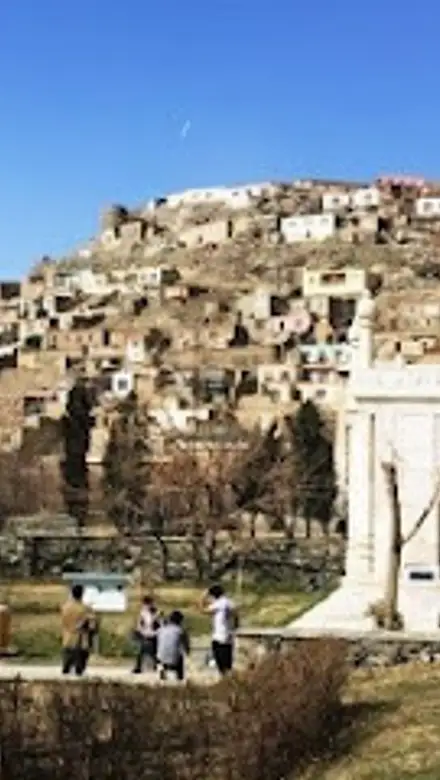
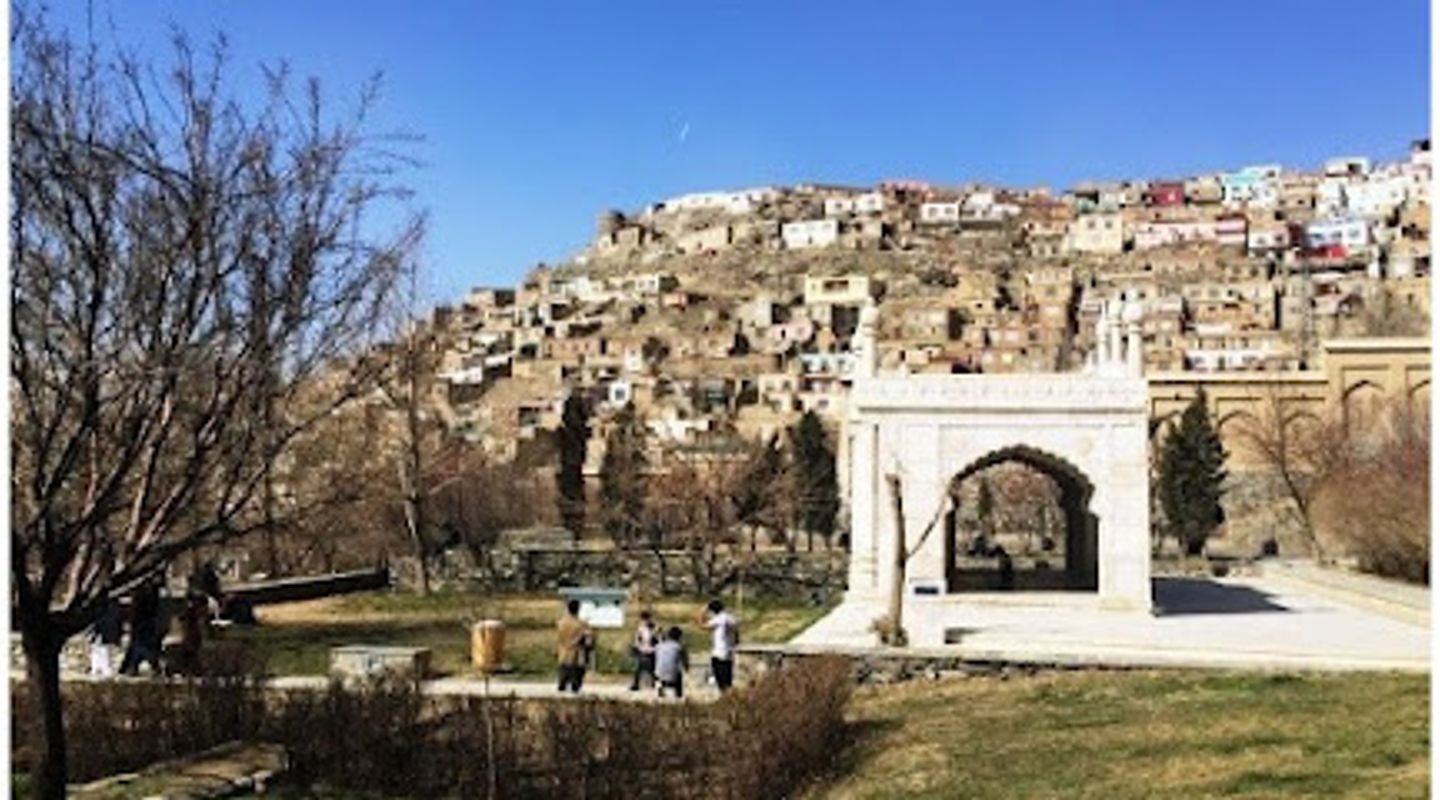
Escape the bustle of Kabul in the serene Bagh-e Babur, a historic garden showcasing Mughal design and acting as the final resting place of Emperor Babur. Wander through fifteen terraced levels adorned with meticulously replanted flora, reflecting Babur's deep appreciation for nature, as noted in his memoirs, the Baburnama. Explore the delicate white marble mosque built by Shah Jahan, reminiscent of the Taj Mahal, and discover the caravanserai, once a haven for weary travelers. Ascend to the top terrace to pay respects at Babur's tomb, left open to the sky according to his wishes, and soak in panoramic views of Kabul. Bagh-e Babur offers a tranquil retreat and a glimpse into Afghanistan's rich cultural heritage, drawing locals and tourists alike.
A brief summary to Babur Garden
- 34.503°N 69, Block 157-158 Walkway, Kabul, AF
- Click to display
- Monday 8 am-4 pm
- Tuesday 8 am-4 pm
- Wednesday 8 am-4 pm
- Thursday 8 am-4 pm
- Friday 8 am-4 pm
- Saturday 8 am-4 pm
- Sunday 8 am-4 pm

Know before you go
Hi, I'm Eve. Here are a few practical things to know before exploring Babur Garden.
- Visit early in the morning to avoid crowds and enjoy the garden's peaceful atmosphere.
- Wear comfortable shoes, as you'll be doing a lot of walking on the terraced grounds.
- Dress modestly out of respect for local customs.
- Bring a camera to capture the stunning views and intricate details of the garden's architecture.
- Check for any special events or cultural performances taking place during your visit to enhance your experience.
Do you manage this location?
Take control to get all the benefits, like improved information, better appearance, and stronger visibility across AI-powered discovery. Learn more about listing your business on Evendo
Activate your presenceOther nearby places you may find interesting
The closest places of the same kind, if this one is not quite what you had in mind.
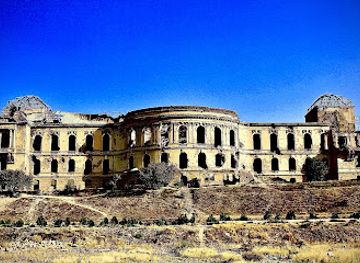
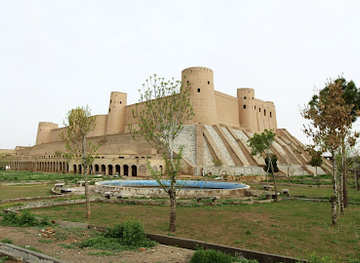
Explore Babur Garden on the Map
A handpicked selection of must-see spots near Babur Garden, mapped for you.
Getting There
-
Taxi/Ride-Share
From most locations within Kabul, the most convenient way to reach Bagh-e Babur is by taxi or ride-sharing service. Direct the driver to 'Bagh-e Babur' or Block 157-158 Walkway in the Chelsatun area. A typical taxi ride from the city center (e.g., near the Kabul City Center shopping mall) to Bagh-e Babur will cost approximately 470 AFN to 712 AFN, depending on traffic and the exact starting point. Confirm the fare with the driver before starting your journey or ensure the meter is running. Some taxi services may charge a higher rate for non-local passengers, so it's advisable to negotiate the price beforehand.
-
Public Transport
While Kabul does have a public bus system, it may not be the most direct or convenient option for reaching Bagh-e Babur. However, if you're near a bus route that passes close to the Chelsatun area, you can take the bus and then walk or take a short taxi ride to the garden. A single bus fare costs approximately 98 AFN. Be aware that bus routes and schedules can be unreliable, and some walking may be required to reach the final destination.
Discover more about Babur Garden













Your all‑in‑one travel companion app
Explore expert travel guides, compare and book tours, experiences, hotels, and more—all from the palm of your hand. Download now for seamless trip planning wherever your wanderlust takes you.


Explore More of Arachosia
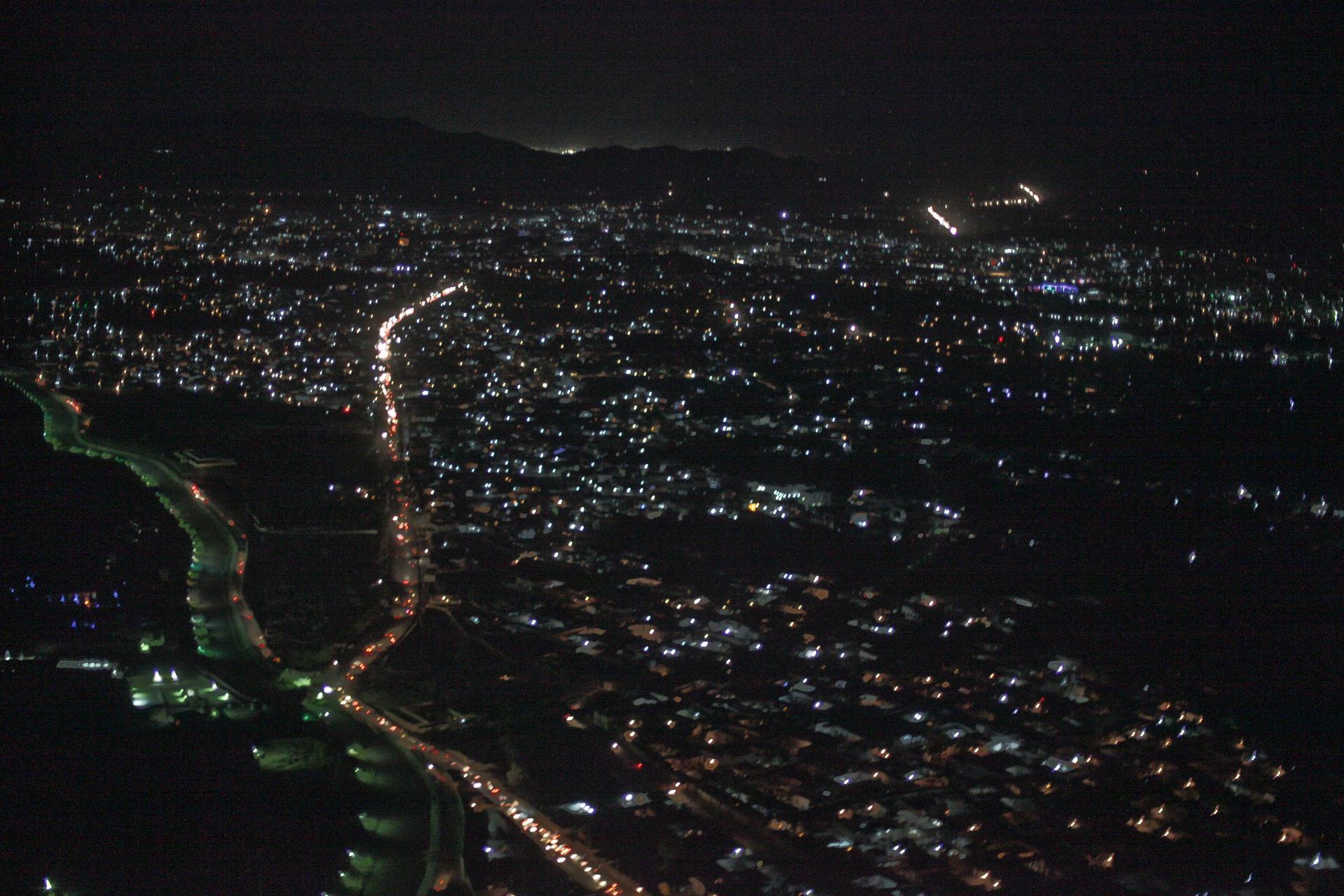
Looking beyond Babur Garden? Discover Arachosia for broader travel guides, local hot-spots, and regional highlights.
Explore Arachosia
Experience Afghan celebrations at Marriot Wedding Hall in Kabul, a blend of modern elegance and traditional culture in the heart of Kart-e-Char.
Explore the historical charm of Kochah Aghasahib Ha in Kabul, reflecting Afghanistan's rich cultural heritage and artistic legacy.