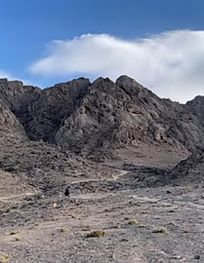
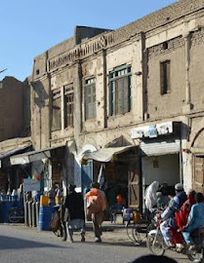
Kharqa Sharif, Helmand Travel Guide
Discover the Kherqa Sharif in Kandahar, Afghanistan: a sacred shrine housing the Prophet Muhammad's cloak, steeped in history and cultural significance.
Kherqa Sharif, located in Kandahar, Afghanistan, is a significant Islamic shrine housing a cloak believed to have belonged to the Prophet Muhammad [5, 6, 8]. Built in 1776, the shrine is not only a religious site but also a symbol of Afghan political legitimacy and cultural identity [4, 5].
A brief summary to Kharqa Sharif
- JP95+V5H, Kandahar, AF

Know before you go
Hi, I'm Eve. Here are a few practical things to know before exploring Kharqa Sharif.
- Dress modestly when visiting the shrine, covering shoulders and legs. Women may consider wearing a headscarf [6].
- Be mindful of the cultural significance of the site and the religious sentiments associated with it [6].
- Remove footwear before entering certain areas of the shrine [6].
- Ask for permission before taking photographs, especially inside the shrine [6].
- Check locally for current opening hours, as they may vary [6].
Do you manage this location?
Take control to get all the benefits, like improved information, better appearance, and stronger visibility across AI-powered discovery. Learn more about listing your business on Evendo
Activate your presenceOther nearby places you may find interesting
The closest places of the same kind, if this one is not quite what you had in mind.
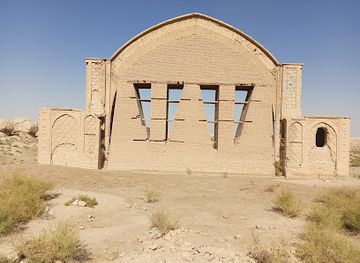
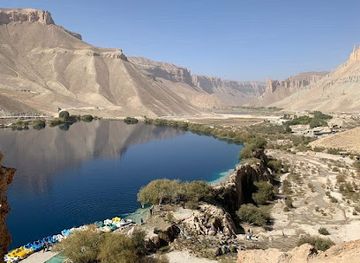

Explore Kharqa Sharif on the Map
A handpicked selection of must-see spots near Kharqa Sharif, mapped for you.
Getting There
-
Walking
Kherqa Sharif is located in central Kandahar [4]. If you are already in the central area, walking is a viable option. Be aware of your surroundings and local customs. Remember to dress modestly [6].
-
Taxi
Taxis are a common mode of transport in Kandahar [11]. From anywhere in Kandahar, you can hire a taxi to take you to Kherqa Sharif. A 5km ride in Kandahar costs about 350 AFN [9, 18]. Ensure to negotiate the fare beforehand [19]. It's advisable to arrange secure transportation through your accommodation [11].
Discover more about Kharqa Sharif













Your all‑in‑one travel companion app
Explore expert travel guides, compare and book tours, experiences, hotels, and more—all from the palm of your hand. Download now for seamless trip planning wherever your wanderlust takes you.


Explore More of Helmand
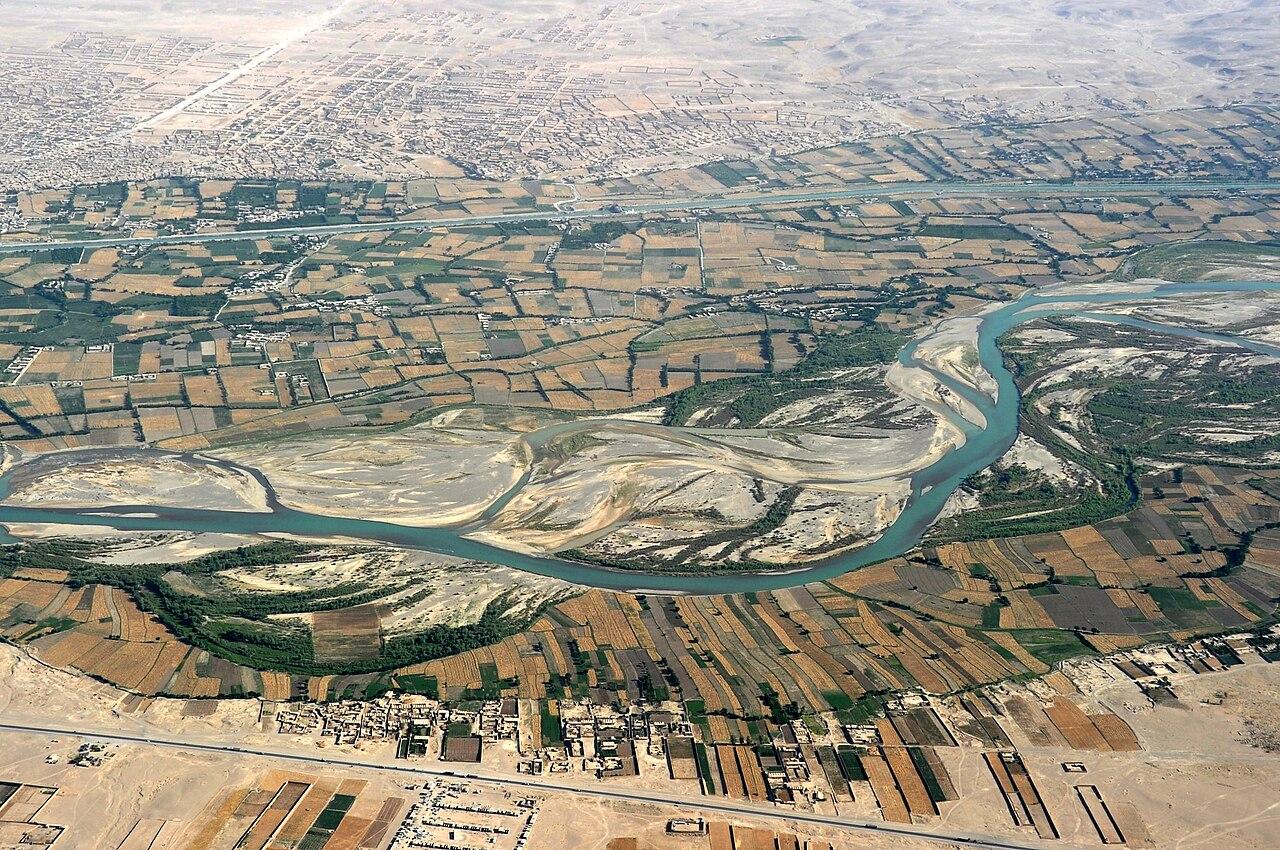
Looking beyond Kharqa Sharif? Discover Helmand for broader travel guides, local hot-spots, and regional highlights.
Explore Helmand