
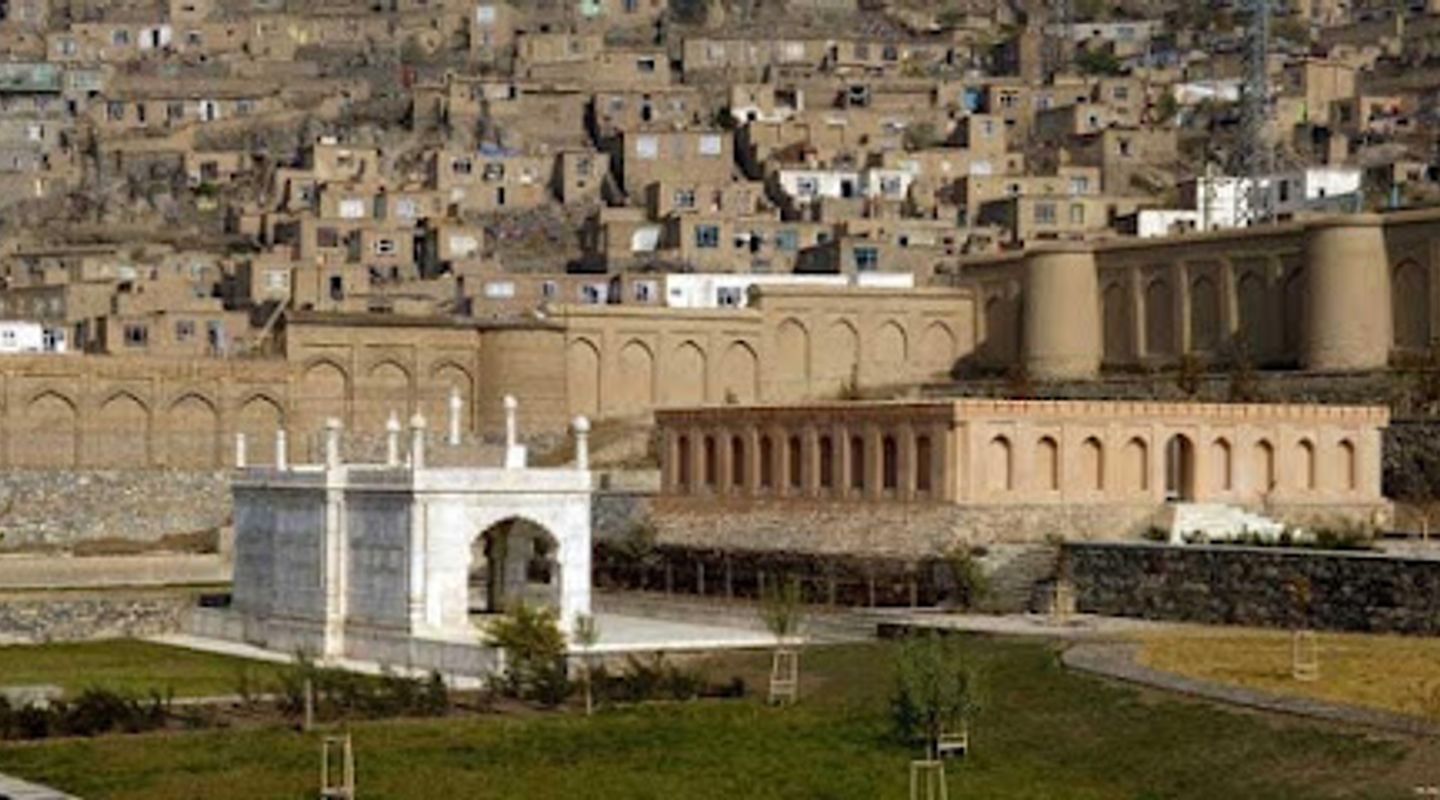
Babur Garden, Kabul Travel Guide
Explore Bagh-e Babur, Kabul's historical Mughal garden: a serene escape with stunning views, rich history, and architectural beauty.
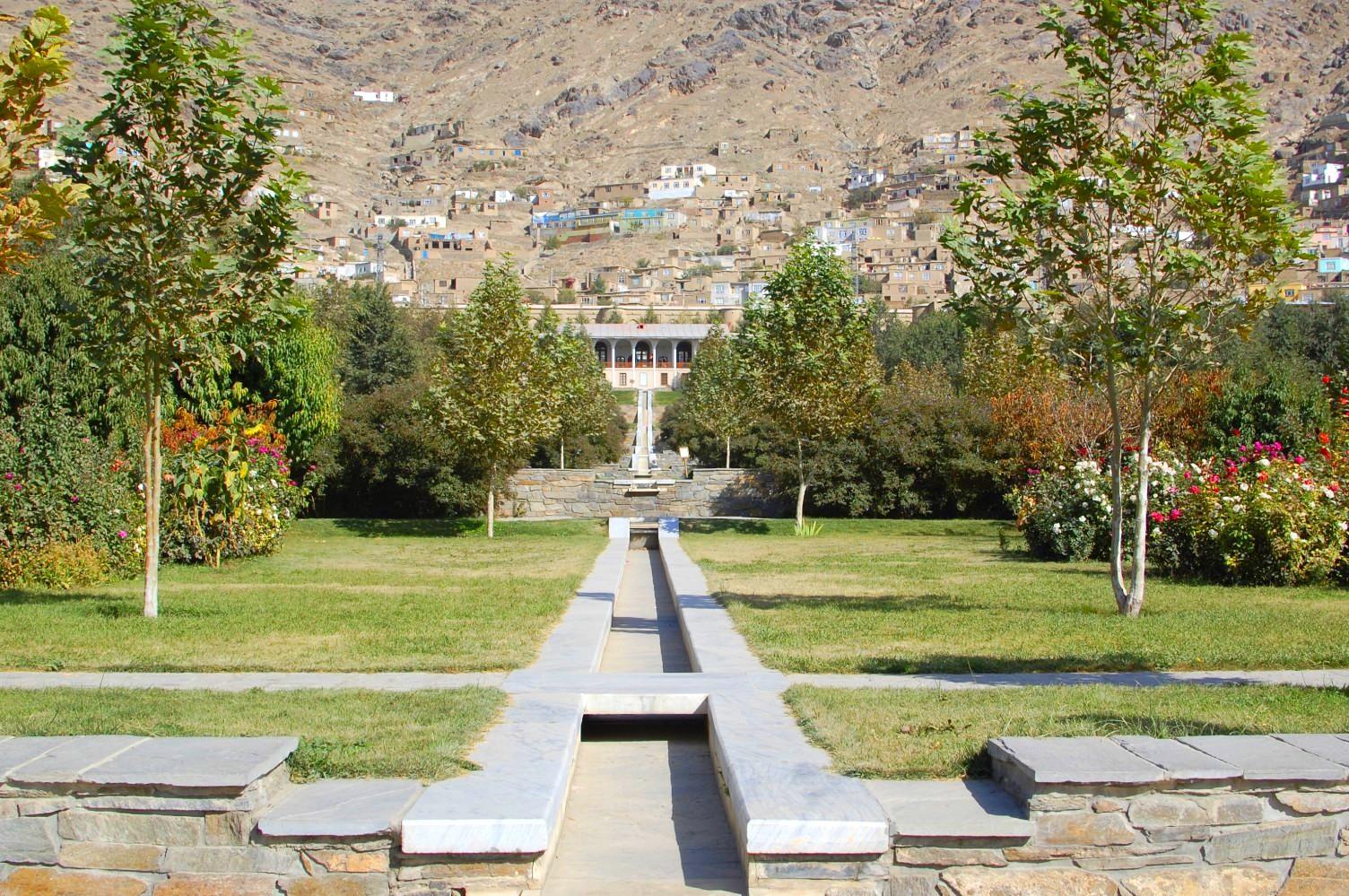
Bagh-e Babur, a historic garden in Kabul established in 1528 by the first Mughal Emperor Babur, serves as his final resting place [4, 17]. This terraced garden, reflecting Islamic and Timurid architectural styles, offers a tranquil escape with its landscaped gardens, water features, and historical monuments [17].
A brief summary to Babur Garden
- 34.503°N 69, Block 157-158 Walkway, Kabul, AF
- Click to display
- Monday 8 am-4 pm
- Tuesday 8 am-4 pm
- Wednesday 8 am-4 pm
- Thursday 8 am-4 pm
- Friday 8 am-4 pm
- Saturday 8 am-4 pm
- Sunday 8 am-4 pm

Know before you go
Hi, I'm Eve. Here are a few practical things to know before exploring Babur Garden.
- Visit during spring (March-May) or autumn (September-November) for pleasant weather and blooming flowers [19].
- Hire a local guide for a deeper understanding of the garden's history and cultural significance [19].
- Photography is allowed, but it's best to ask for permission beforehand [10].
- Carry water, as it may not be readily available inside the garden [10].
Do you manage this location?
Take control to get all the benefits, like improved information, better appearance, and stronger visibility across AI-powered discovery. Learn more about listing your business on Evendo
Activate your presenceOther nearby places you may find interesting
The closest places of the same kind, if this one is not quite what you had in mind.
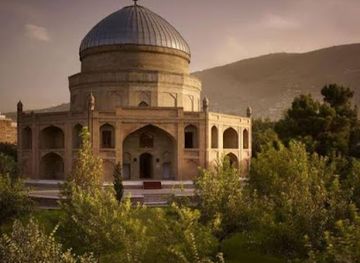

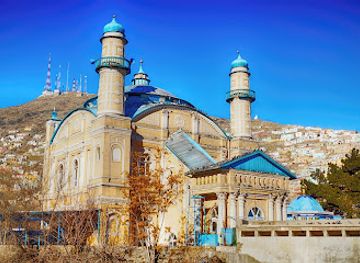
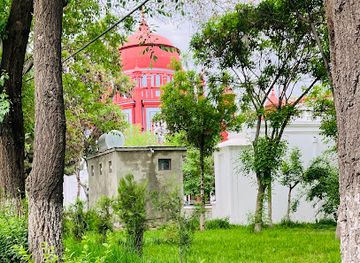
Explore Babur Garden on the Map
A handpicked selection of must-see spots near Babur Garden, mapped for you.
Getting There
-
Taxi
From most locations in Kabul, the most convenient way to reach Bagh-e Babur is by taxi [13, 19]. Taxis are readily available throughout the city, though they may not always look like official taxis [13]. Negotiate the fare before starting your journey. A typical taxi ride from the city center to Bagh-e Babur, approximately 3km, may cost between 120 to 200 AFN [13]. Ensure the driver knows the location or use a landmark on Google Maps to guide them [13].
-
Walking
If you are in the vicinity of Bagh-e Babur, walking is a viable option. From landmarks such as Chihil Sutun, it's a moderate walk. Be aware of your surroundings and local traffic conditions. No costs are associated with walking.
Discover more about Babur Garden













Your all‑in‑one travel companion app
Explore expert travel guides, compare and book tours, experiences, hotels, and more—all from the palm of your hand. Download now for seamless trip planning wherever your wanderlust takes you.


Explore More of Kabul
Looking beyond Babur Garden? Discover Kabul for broader travel guides, local hot-spots, and regional highlights.
Explore Kabul
