
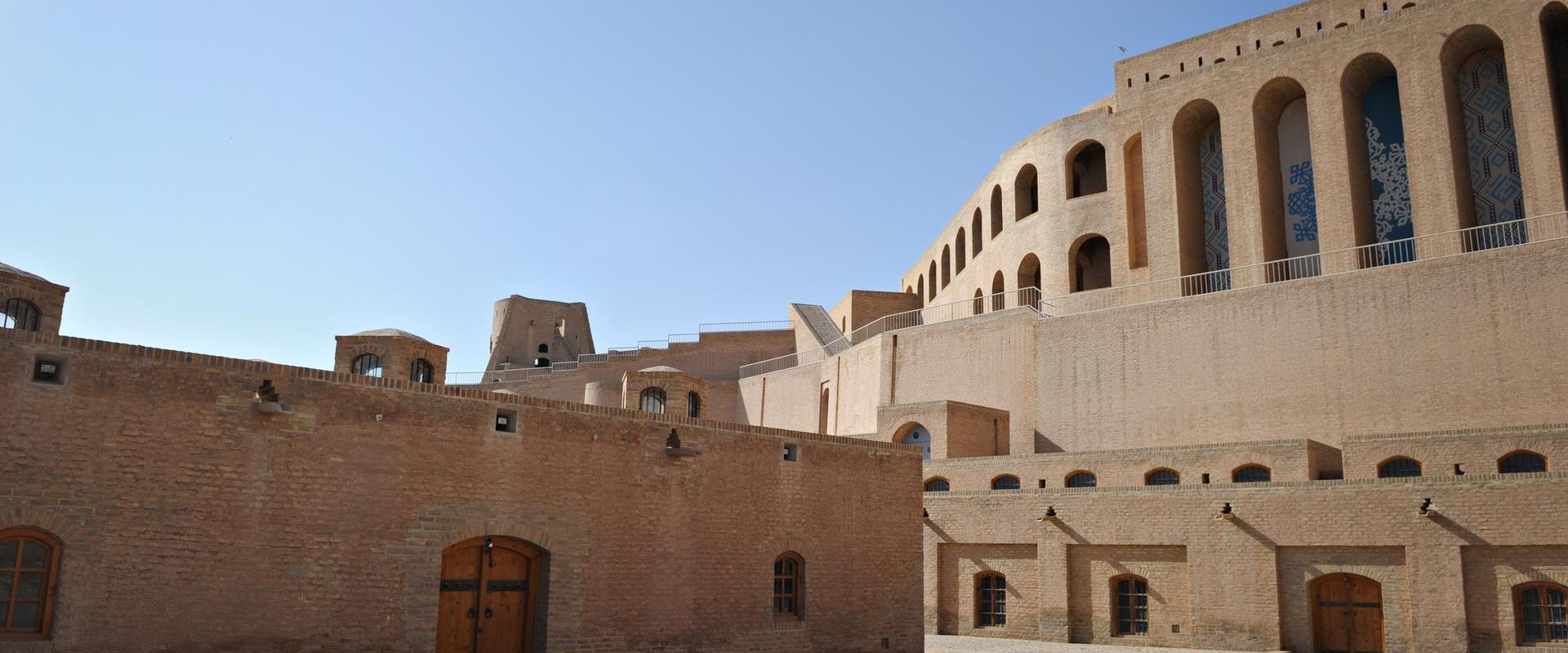
Vibrant Heart of Kabul: Shar-e Naw
Discover the vibrant heart of Kabul in Shar-e Naw, where modernity meets tradition amidst bustling markets, serene parks, and rich cultural landmarks.
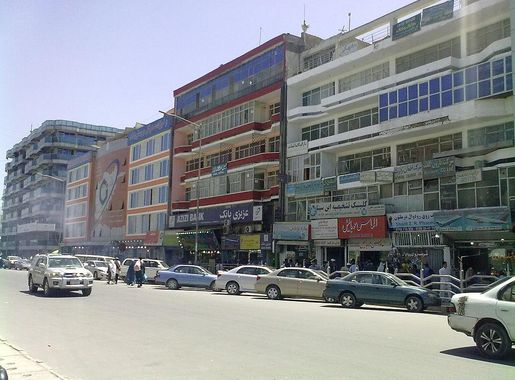
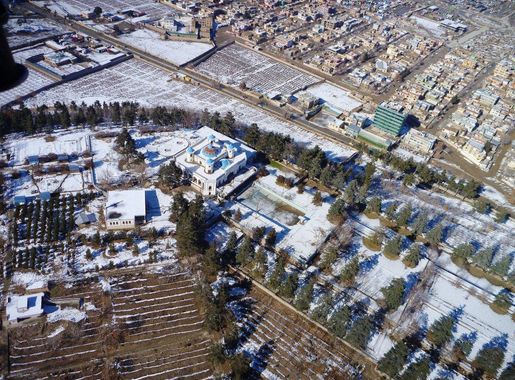
Shar-e Naw, translating to 'New City,' is a bustling and vibrant neighborhood in the heart of Kabul, Afghanistan. Known for its lively atmosphere and rich cultural tapestry, this area serves as a melting pot of modernity and tradition. As you stroll through its streets, you'll encounter a delightful mix of bustling markets, cozy cafes, and historical landmarks that paint a vivid picture of Kabul's dynamic urban life. One of the main attractions in Shar-e Naw is the Shar-e Naw Park, a green oasis amidst the city's hustle and bustle. This park offers a serene environment where both locals and tourists can unwind, enjoy a picnic, or simply take a leisurely walk. Nearby, you'll find the Kabul City Center Mall, a modern shopping complex that provides a stark contrast to the traditional bazaars. Here, you can shop for everything from high-end fashion to local crafts, making it a perfect spot for souvenir hunting. Shar-e Naw is also a culinary hub, offering a wide array of dining options that cater to all tastes. Whether you're in the mood for traditional Afghan cuisine or international dishes, the neighborhood's diverse restaurants and street food vendors have something to satisfy every palate. Don't miss the chance to try some authentic Afghan kebabs or a warm bowl of ashak, a traditional Afghan dumpling dish. For those interested in history and culture, Shar-e Naw is home to several significant landmarks. The National Museum of Afghanistan, located nearby, houses an extensive collection of artifacts that span the country's rich history. Additionally, the neighborhood's proximity to other historical sites, such as Babur's Gardens and the old city of Kabul, makes it an ideal base for exploring the broader historical landscape of the region.

Know before you go
Hi, I'm Eve. Here are a few practical things to know before exploring Shar-e Naw.
- Visit Shar-e Naw Park early in the morning for a peaceful experience.
- Wear comfortable shoes as the best way to explore is on foot.
- Try local street food but ensure it's from a clean and busy vendor.
- Carry a small amount of local currency for shopping in traditional bazaars.
- Respect local customs and dress modestly, especially when visiting religious sites.
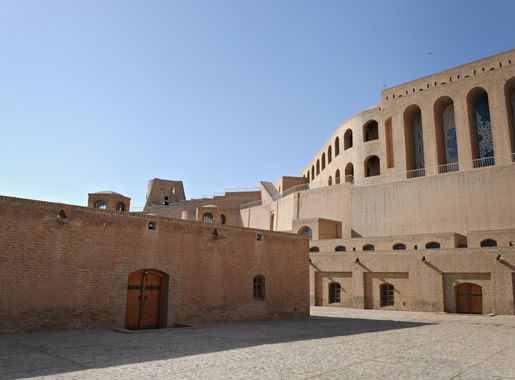
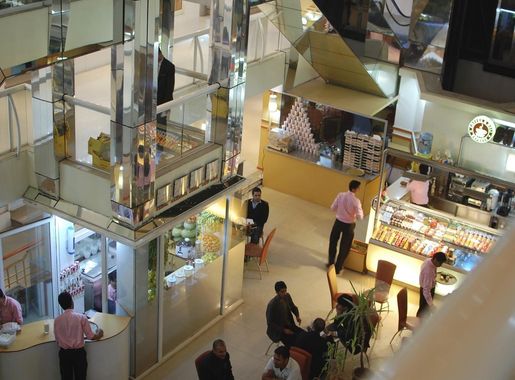
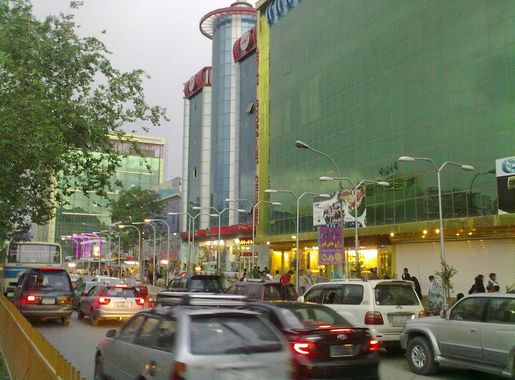
Vibrant Heart of Kabul: Shar-e Naw
Shar-e Naw, translating to 'New City,' is a bustling and vibrant neighborhood in the heart of Kabul, Afghanistan. Known for its lively atmosphere and rich cultural tapestry, this area serves as a melting pot of modernity and tradition. As you stroll through its streets, you'll encounter a delightful mix of bustling markets, cozy cafes, and historical landmarks that paint a vivid picture of Kabul's dynamic urban life. One of the main attractions in Shar-e Naw is the Shar-e Naw Park, a green oasis amidst the city's hustle and bustle. This park offers a serene environment where both locals and tourists can unwind, enjoy a picnic, or simply take a leisurely walk. Nearby, you'll find the Kabul City Center Mall, a modern shopping complex that provides a stark contrast to the traditional bazaars. Here, you can shop for everything from high-end fashion to local crafts, making it a perfect spot for souvenir hunting. Shar-e Naw is also a culinary hub, offering a wide array of dining options that cater to all tastes. Whether you're in the mood for traditional Afghan cuisine or international dishes, the neighborhood's diverse restaurants and street food vendors have something to satisfy every palate. Don't miss the chance to try some authentic Afghan kebabs or a warm bowl of ashak, a traditional Afghan dumpling dish. For those interested in history and culture, Shar-e Naw is home to several significant landmarks. The National Museum of Afghanistan, located nearby, houses an extensive collection of artifacts that span the country's rich history. Additionally, the neighborhood's proximity to other historical sites, such as Babur's Gardens and the old city of Kabul, makes it an ideal base for exploring the broader historical landscape of the region.
Explore the best of what Shar-e Naw has to offer









Iconic landmarks you can’t miss

Shahr-e Naw Park
Escape to Kabul's Shahr-e Naw Park: A green haven offering tranquility, community, and a glimpse into Afghan life amidst the city's energy.
Kabul Zoo
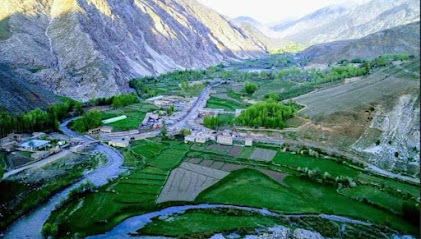
Discover Afghan wildlife and resilience at Kabul Zoo, a historic sanctuary in the heart of Kabul, offering a unique glimpse into the nation's story.
Babur Garden
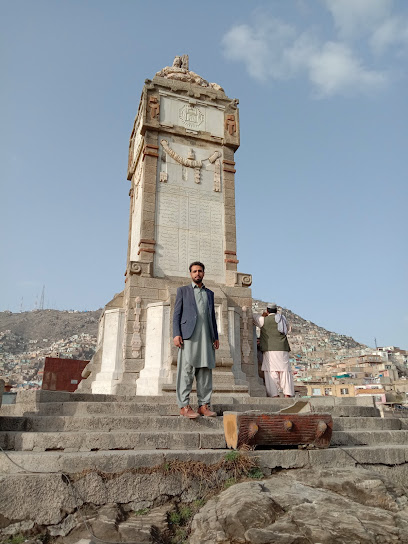
Explore Kabul's historic Babur Garden: a serene Mughal-era oasis, the final resting place of Emperor Babur, and a beautifully restored cultural landmark.
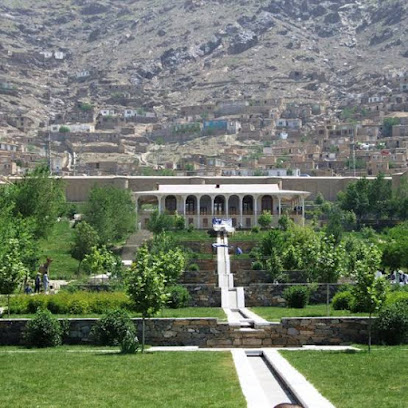
Chehelseton Garden
Discover Chehelseton Garden in Kabul: A historic oasis of tranquility, lush landscapes, and elegant Afghan architecture, offering a serene escape.
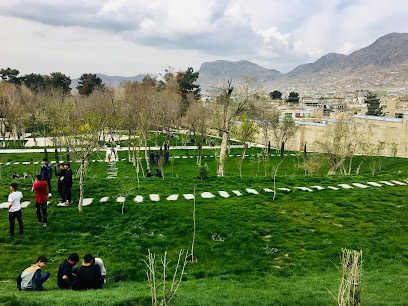
DarulAman Palace
Explore Kabul's Darul Aman Palace: A neoclassical masterpiece symbolizing Afghanistan's resilience, rich history, and journey towards peace. Now open as a museum.
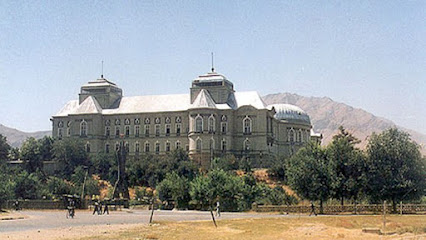
The National Museum of Afghanistan
Explore millennia of Afghan history and culture at the National Museum of Afghanistan, a symbol of resilience and a treasure trove of Silk Road artifacts.
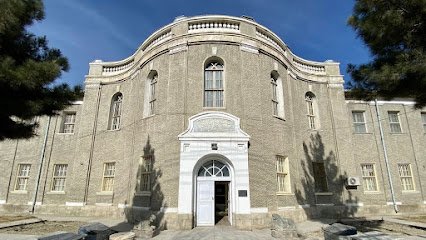
Takht-e Rustam
Explore Takht-e Rustam, an ancient Buddhist monastery carved into the bedrock of Afghanistan, offering a glimpse into the region's rich history.
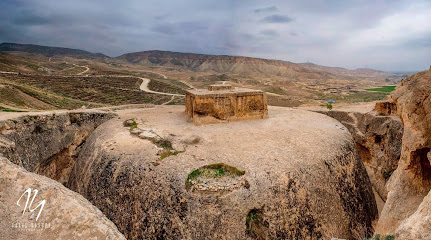
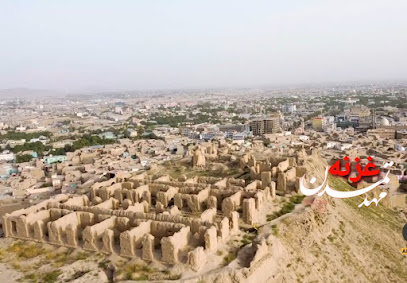
Qale'H-Ye-Balahissar
Explore Qale'H-Ye-Balahissar, Kabul's historic fortress with panoramic views, offering a glimpse into Afghanistan's rich heritage and resilience.
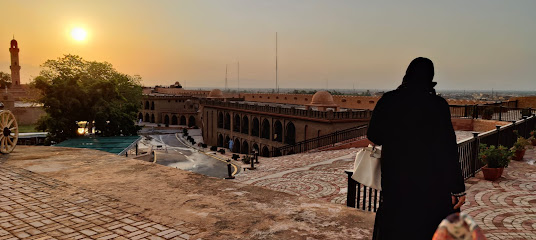
بند برق شاه و عروس
Discover the beauty of Shah wa Arus Dam: A tranquil escape offering scenic views and recreational activities in a serene Afghan setting.
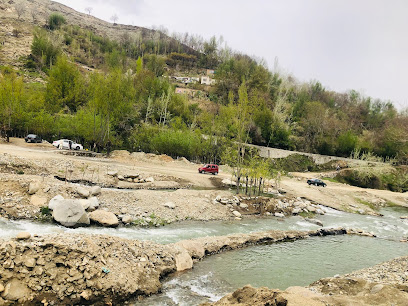
مسجد جامع سفید زاخیل ها
Discover the White Mosque of Zakhil in Kabul, a testament to Islamic architecture and a vibrant community hub in the Karte Naow neighborhood.
Takht e Rostam
Explore Takht-e Rostam, an ancient Buddhist monastery carved into the Afghan bedrock, offering a unique glimpse into the region's Silk Road past.
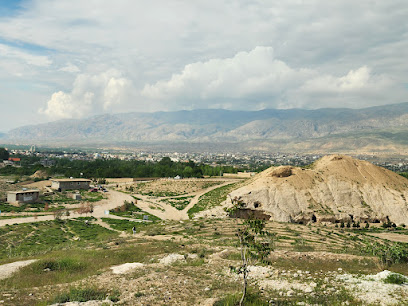
Kabul Fortress
Explore the historic Kabul Fortress, a silent witness to centuries of Afghan history, offering panoramic views and a tangible connection to the city's resilient spirit [5].
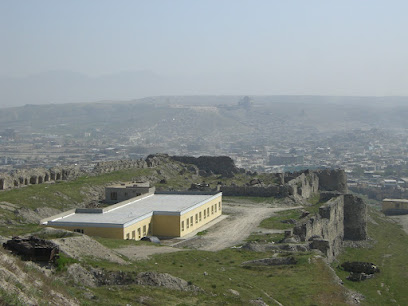
Syah Koh Wal Castle - سیاه کوه وال قلعه
Explore Syah Koh Wal Castle in Kabul, a historical landmark showcasing Afghan heritage through its architecture and offering serene views.
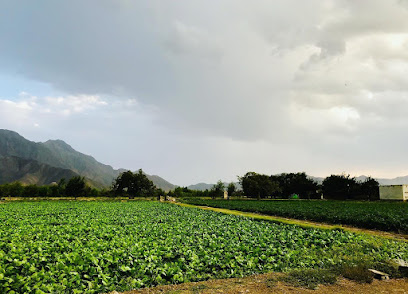
Nadir Shah Tomb
Explore the Nadir Shah Tomb in Kabul, a cultural landmark reflecting Afghanistan's royal past and the reign of King Nadir Shah.
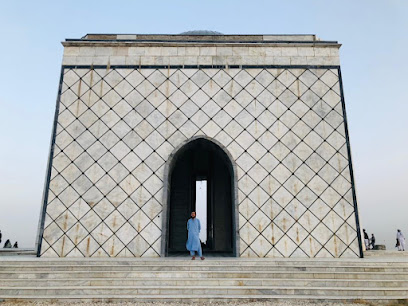
Zarnegar park
Escape to Kabul's 'Adorned with Gold' park: a historic green space with tranquil gardens and the mausoleum of Emir Abdur Rahman Khan.
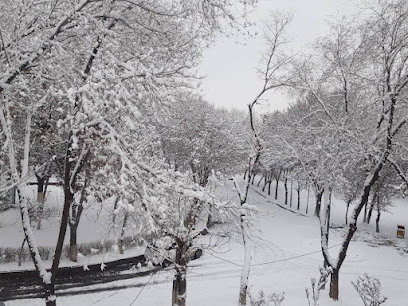
Unmissable attractions to see

Chehelseton Garden
Discover Chehelseton Garden in Kabul: A historic oasis offering tranquil greenery, elegant pavilions, and a glimpse into Afghanistan's rich cultural heritage.
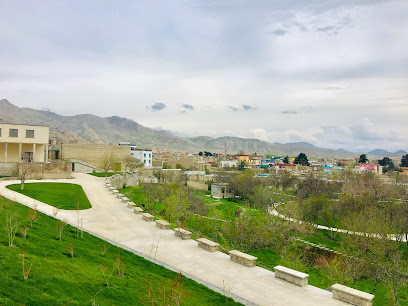
DarulAman Palace
Explore Kabul's Darul Aman Palace: A neoclassical masterpiece reborn, symbolizing Afghanistan's enduring spirit and rich history.
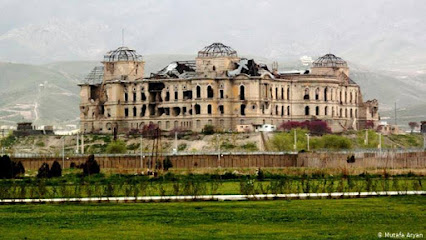
Pole Khumri Mosque
Discover the spiritual heart of Pol-e-Khomri at the Pole Khumri Mosque, a symbol of Afghan culture and architectural beauty.
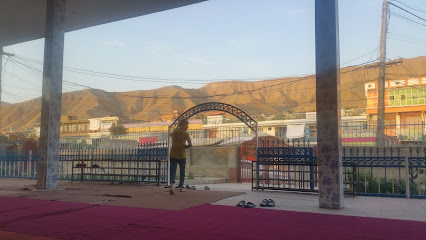
Qale'H-Ye-Balahissar
Discover Qala-i-Bala Hissar, Kabul's ancient fortress, a symbol of Afghan resilience offering panoramic city views and a glimpse into the country's rich, tumultuous past.
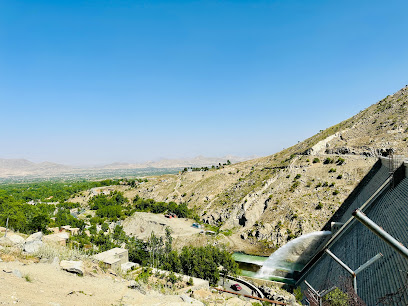
بند برق شاه و عروس
Discover the modern marvel of the Shah wa Arus Dam in Afghanistan, a symbol of progress providing irrigation, power, and drinking water to the region.
Essential places to dine

نوایی رستورانت
Discover authentic Afghan flavors at نوایی رستورانت in Pol-e-Khomri - a delightful dining experience awaits every traveler.
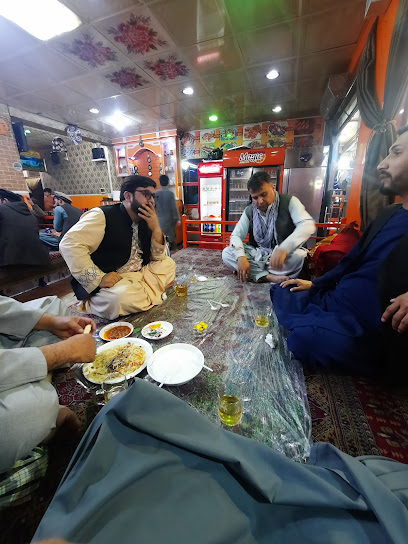
حاجی فيردوس احمدزی کور H.Ferdous ahmadzai hous
Experience authentic Afghan cuisine at H.Ferdous Ahmadzai House in Pol-e-Khomri - where tradition meets flavor in every dish.
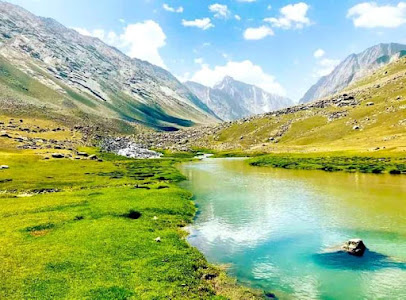
shenwari Restaurant
Discover authentic Afghan cuisine at Shenwari Restaurant in Pol-e-Khomri – a culinary journey through rich flavors and traditions.
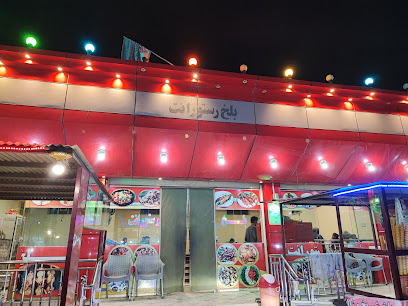
رستوران بلخ
Experience authentic Afghan cuisine at رستوران بلخ in Pol-e-Khomri - a culinary treasure offering delicious traditional dishes.
حاجی فیردوس پلازا
Experience authentic Afghan cuisine at Haji Firdous Plaza in Pol-e-Khomri, where tradition meets taste in a welcoming atmosphere.
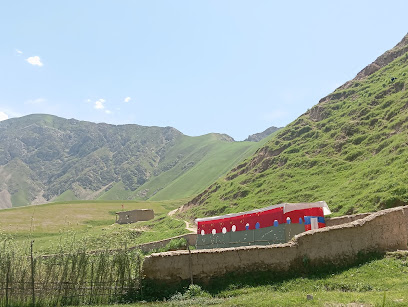
مجاهد هوتل
Experience authentic Afghan cuisine at مجاهد هوتل in Pol-e-Khomri – where traditional flavors meet warm hospitality.

Muqem fresh juice store مقیم جوس
Experience vibrant flavors at Muqem Fresh Juice Store in Center 3650, Afghanistan - where fresh meets delicious!
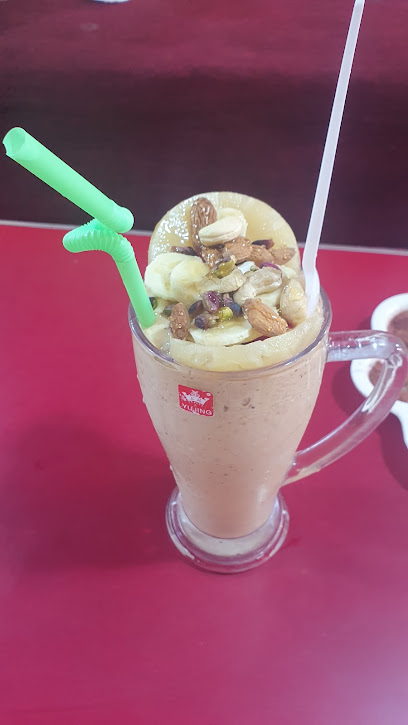
رستورانت و مهمانخانه سخی
Discover the flavors of Afghanistan at رستورانت و مهمانخانه سخی - a hidden gem in Pol-e-Khomri offering traditional cuisine and warm hospitality.
Zadran Hotal
Experience authentic Asian cuisine at Zadran Hotel in Pol-e-Khomri—where every dish tells a story and hospitality reigns supreme.
سرک حاجی درویش
Experience authentic Afghan cuisine at سرک حاجی درویش in Pol-e-Khomri – where tradition meets taste in every dish.
Markets, malls and hidden boutiques

فروشگاه رحیم الله صمدی
Explore the vibrant culture and unique products at فروشگاه رحیم الله صمدی, a must-visit store in Pol-e-Khomri, Afghanistan.
share naw
Experience the authentic taste of Afghanistan at Share Naw Bakery in Pol-e Khomri, where delightful pastries meet rich cultural heritage.
بلاک A شاروالی
Explore بلاک A شاروالی in Pol-e-Khomri for a unique shopping experience filled with traditional crafts and local delicacies.
شهر نو
Experience the vibrant culture and unique shopping at شهر نو, a must-visit marketplace in Pol-e-Khomri, Afghanistan.
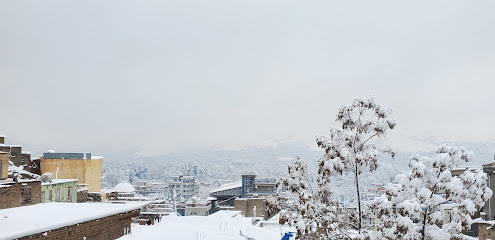
Kabul ahreen Store
Explore the vibrant world of fashion accessories at Kabul Ahreen Store, where tradition meets contemporary style in the heart of Kabul.
Goldsmith
Explore Goldsmith in Kabul for exquisite handcrafted jewelry that embodies Afghan heritage and artistry.
PUBG Farsi
Discover the ultimate gaming experience at PUBG Farsi in Kabul, where every gamer can find their passion and connect with fellow enthusiasts.
Danyal lucky world
Explore the vibrant Danyal Lucky World in Kabul, where authentic Afghan culture meets a bustling traditional market atmosphere.
مارکت سیمساری
Explore Pol-e-Khomri's vibrant women's clothing store for unique Afghan fashion, showcasing rich textiles and traditional craftsmanship.
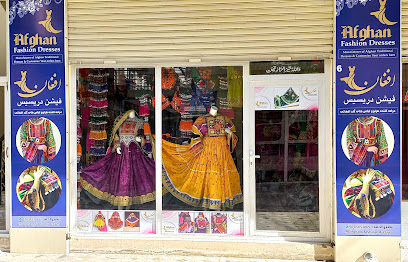
Afghan Store
Explore the Afghan Store in Shahr-e-Now Kabul for authentic clothing and textiles that showcase the rich culture and artisanal craftsmanship of Afghanistan.
Essential bars & hidden hideouts

نوایی رستورانت
Experience the rich taste of Afghan cuisine at نوایی رستورانت, a culinary gem in the heart of Pol-e-Khomri, perfect for every traveler.
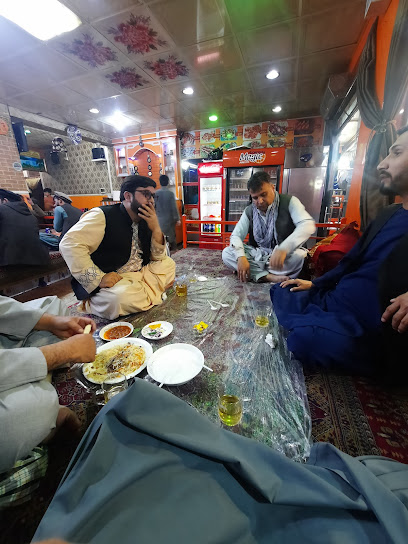
shenwari Restaurant
Discover the rich flavors of Afghanistan with authentic dishes at Shenwari Restaurant in Pol-e-Khomri, a must-visit for food lovers.
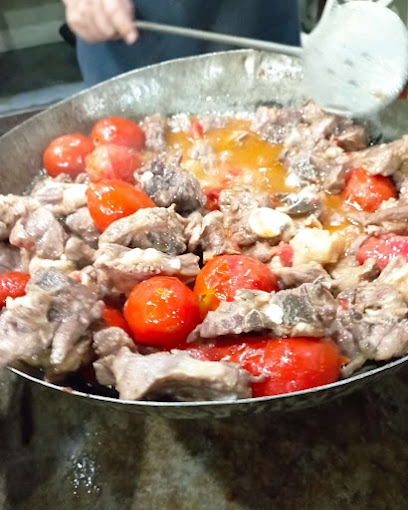
حاجی فیردوس پلازا
Experience authentic Afghan flavors and warm hospitality at Haji Firdaus Plaza in Pol-e-Khomri, a must-visit dining destination for travelers.
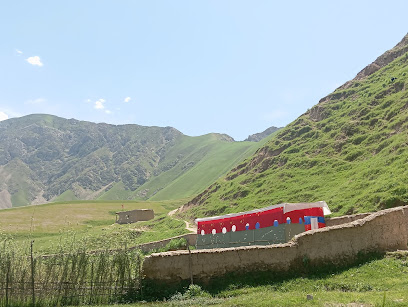
مجاهد هوتل
Experience authentic Afghan cuisine at مجاهد هوتل in Pol-e-Khomri, where traditional flavors meet warm hospitality.
Muqem fresh juice store مقیم جوس
Experience the vibrant flavors of Afghanistan at Muqem Fresh Juice Store, where fresh juice meets local charm in Center 3650.
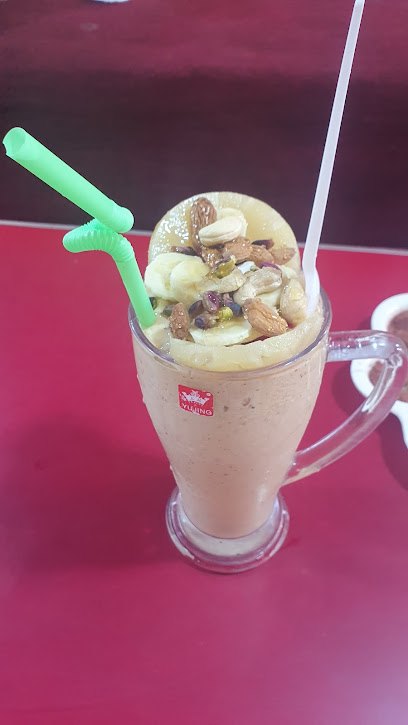
رستورانت و مهمانخانه سخی
Experience the warmth of Afghan cuisine and hospitality at Sakhi Restaurant and Guesthouse in Pol-e-Khomri.
سرک حاجی درویش
Discover the authentic flavors of Afghan cuisine at سرک حاجی درویش in Pol-e-Khomri, a must-visit dining spot for every traveler.
Zadran Hotal
Experience the rich flavors of Asian cuisine at Zadran Hotel in Pol-e-Khomri, Afghanistan, where every meal tells a story.
خبازی شایق الله سخی زاده
Experience the vibrant culture and flavors of Afghanistan at خبازی شایق الله سخی زاده, your go-to bar in Nahrain for a delightful evening.
خانه محمد رسول کابلی
Discover the lively nightlife of Nahrain at خانه محمد رسول کابلی, where culture and hospitality blend in a vibrant atmosphere.


Local Phrases
You don't need to speak the language perfectly. Even learning a few simple words can make conversations warmer—and locals usually appreciate the effort.
— Eve

Here are the phrases I use most often in Shar-e Naw. Try a few—you'll be surprised how far they go! 😊
❤️
-
- Helloسلام
[salaam] - Goodbyeخداحافظ
[khuda hafiz] - Yesبله
[bale] - Noنه
[na] - Please/You're welcomeخواهش میکنم
[khahesh mikonam] - Thank youممنون
[mamnoon] - Excuse me/Sorryببخشید
[bebakhshid] - How are you?حال شما چطور است؟
[haal shoma chetor ast?] - Fine. And you?خوبم. شما؟
[khobam. shoma?] - Do you speak English?آیا انگلیسی حرف میزنید؟
[aya englisi harf mizanid?] - I don't understandمتوجه نمیشوم
[motajeh nemishavam]
- Helloسلام
-
- I'd like to see the menu, pleaseلطفاً منو را ببینید
[lotfan menu ra bebinid] - I don't eat meatگوشت نمیخورم
[goosht nemikhoram] - Cheers!سلامتی!
[salamatii] - I would like to pay, pleaseلطفاً پرداخت کنید
[lotfan pardakht konid]
- I'd like to see the menu, pleaseلطفاً منو را ببینید
-
- Help!کمک!
[komak] - Go away!برو!
[boro] - Call the Police!پلیس را صدا کنید!
[polis ra seda konid] - Call a doctor!یک دکتر بخوانید!
[yek doctor bakhaneed] - I'm lostگم شدهام
[gom shodeam] - I'm illبیمار هستم
[bimar hastam]
- Help!کمک!
-
- I'd like to buy...میخواهم بخرم...
[mikhaham bekhoram...] - I'm just lookingفقط نگاه میکنم
[faghat negah mikonam] - How much is it?قیمتش چقدر است؟
[ghimatash chand dar ast?] - That's too expensiveخیلی گران است
[kheili geran ast] - Can you lower the price?میتوانید قیمت را کم کنید؟
[mitavanid ghimat ra kam konid?]
- I'd like to buy...میخواهم بخرم...
-
- What time is it?ساعت چند است؟
[saa'at chand ast?] - It's one o'clockیک است
[yek ast] - Half past (10)نیمه (ده)
[nimeh (dah)] - Morningصبح
[sobh] - Afternoonظهر
[zohr] - Eveningعصر
[asr] - Yesterdayدیروز
[diruz] - Todayامروز
[emruz] - Tomorrowفردا
[farda] - 1یک
[yek] - 2دو
[do] - 3سه
[se] - 4چهار
[char] - 5پنج
[panj] - 6شش
[shesh] - 7هفت
[haft] - 8هشت
[hasht] - 9نه
[noh] - 10ده
[dah]
- What time is it?ساعت چند است؟
-
- Where's a/the...?کجاست ...؟
[kojast ...?] - What's the address?آدرس چیست؟
[adres chist?] - Can you show me (on the map)?میتوانید به من نشان دهید (روی نقشه)؟
[mitavanid be man neshan dahid (rooye naqsheh)?] - When's the next (bus)?بعدی (اتوبوس) چه زمانی است؟
[badi (otobus) che zamani ast?] - A ticket (to ....)یک بلیط (به ...)
[yek bilit (be ...)]
- Where's a/the...?کجاست ...؟
History of Shar-e Naw
-
Shar-e Naw emerged as a significant urban neighborhood in Kabul during the 20th century, particularly in the 1960s and 1970s when it began to develop into a modern urban area. This period saw the construction of many important buildings, including hotels, shops, and cultural institutions, reflecting the aspirations of a rapidly modernizing Afghanistan.
-
As Kabul's cultural and intellectual center, Shar-e Naw has been home to numerous art galleries, theaters, and cultural festivals. The neighborhood has nurtured a vibrant arts scene, housing many artists and writers who contributed to the cultural landscape of Afghanistan, particularly in the late 20th century.
-
During the Soviet-Afghan War in the 1980s, Shar-e Naw was significantly affected by the conflict. Many buildings were damaged or destroyed, and the neighborhood became a focal point for resistance. The war impacted the population, leading to a demographic shift as many residents fled the violence.
-
Following the fall of the Taliban regime in 2001, Shar-e Naw underwent a period of reconstruction and revitalization. International aid and investment helped restore many of its damaged buildings and infrastructure. This era marked a resurgence of commerce and social life, with new shops, restaurants, and institutions opening in the neighborhood.
-
In recent years, Shar-e Naw has experienced a cultural renaissance, becoming a hub for youth and modern Afghan culture. Cafés, art spaces, and cultural events have flourished, reflecting a blend of traditional Afghan heritage and contemporary influences. The area has become a symbol of resilience and the emerging Afghan identity in a post-conflict society.
Shar-e Naw Essentials
-
Shar-e Naw is centrally located in Kabul and is accessible from various neighborhoods. From the airport, taxis are the most convenient option, taking approximately 20-30 minutes depending on traffic. If you are coming from other neighborhoods, local taxis (often referred to as 'yellow taxis') are available, or you may opt for a ride-hailing service, if available. Public buses operate but may not be reliable for tourists unfamiliar with the routes.
-
Shar-e Naw is best navigated by taxi or on foot, as it is compact and many attractions are within walking distance. While public transportation exists, it can be crowded and may not be the safest option for tourists. Be cautious when using bicycles, as the traffic can be chaotic and roads may not be well-maintained.
-
Shar-e Naw is generally safer compared to other neighborhoods in Kabul, but it is essential to remain vigilant. Avoid areas known for higher crime rates, such as certain parts of Karte Se and Microryan. Always keep your belongings secure and be cautious when walking alone, especially at night.
-
In case of emergency, contact local authorities. For medical emergencies, the Afghan Red Crescent Society can be reached at 119. It is advisable to have travel insurance that includes medical coverage. Familiarize yourself with the location of nearby hospitals and pharmacies for non-emergency situations.
-
Fashion: Do dress modestly; women should wear long skirts and cover their arms, while men should avoid shorts. Religion: Do respect local customs; be mindful of prayer times and avoid loud behavior near mosques. Public Transport: Do give up your seat for the elderly; don't engage in loud conversations. Greetings: Do greet with a handshake; don't use first names unless invited. Eating & Drinking: Do try local dishes; don’t refuse food or drink offered to you as it may be considered impolite.
-
To experience Shar-e Naw like a local, visit the bustling bazaars for fresh produce and traditional Afghan goods. Try local eateries and street food stalls for authentic flavors. Engage with shopkeepers and locals, who are often welcoming and eager to share insights about their culture. If possible, attend local events or festivals to immerse yourself in the community.
Trending Landmarks in Shar-e Naw
Nearby Cities to Shar-e Naw
-
 Things To Do in Mazar-i-Sharif
-
Things To Do in Chitral
-
Things To Do in Tursunzoda
-
Things To Do in Dushanbe
-
Things To Do in Vahdat
-
Things To Do in Peshawar
-
Things To Do in Swat
-
Things To Do in Shakhrisabz
-
Things To Do in Panjakent
-
Things To Do in Qarshi
-
Things To Do in Istaravshan
-
Things To Do in Samarkand
-
Things To Do in Abbottabad
-
Things To Do in Kaghan
-
Things To Do in Naran