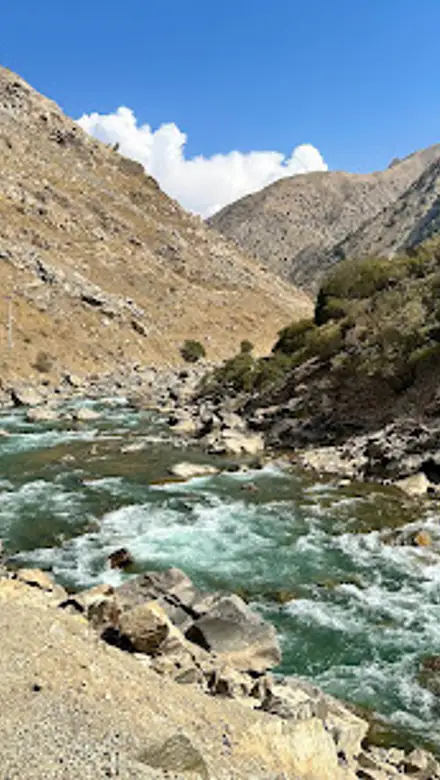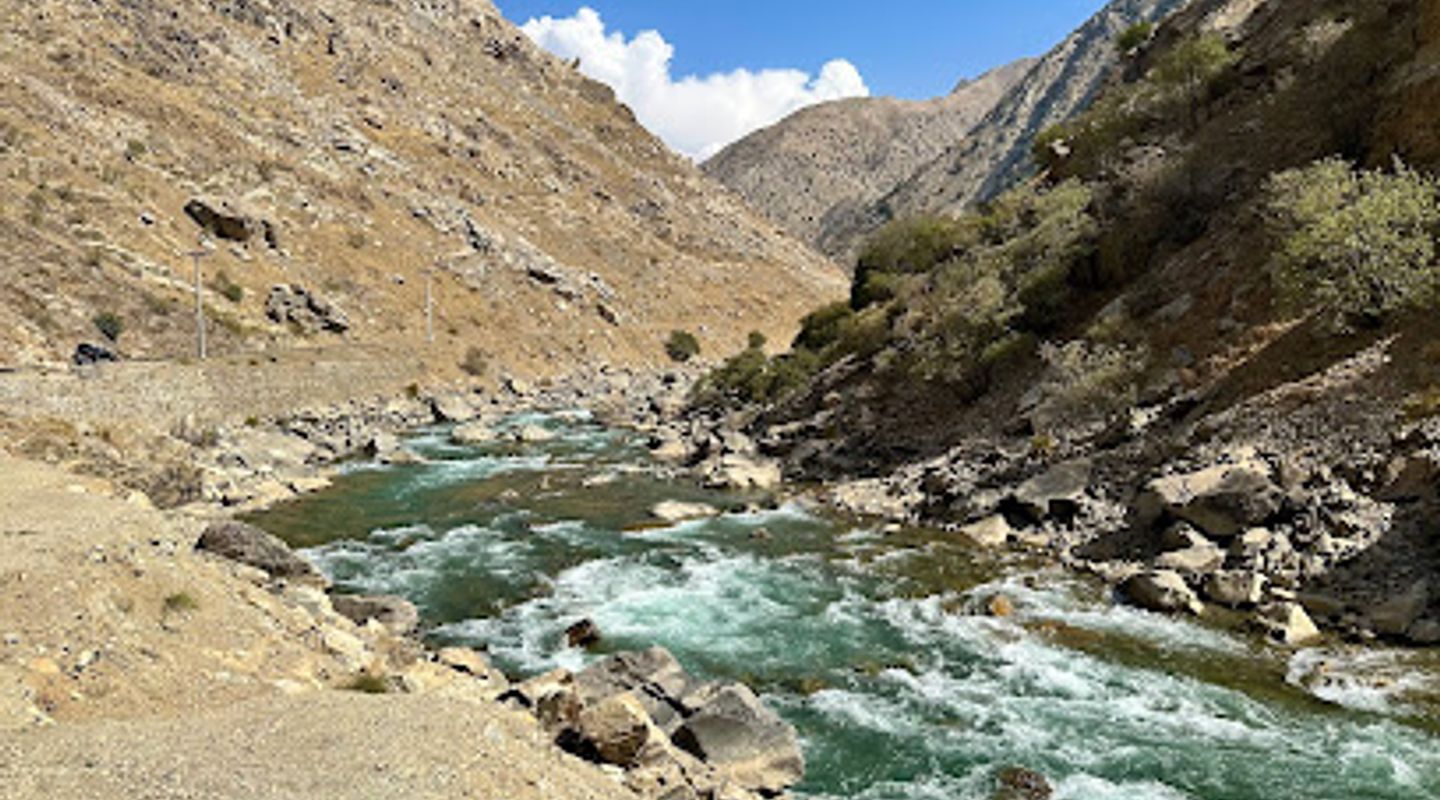
Panjshir Valley, Panjshir Travel Guide
Discover the untouched beauty and resilient spirit of Panjshir Valley, Afghanistan: a land of dramatic landscapes, rich history, and warm hospitality nestled in the heart of the Hindu Kush.
The Panjshir Valley, a stunning ribbon of green snaking through the rugged Hindu Kush mountains, offers a unique and awe-inspiring experience for adventurous travelers. Historically known for its resistance against invaders, including the Soviets and the Taliban, the valley boasts breathtaking natural beauty with steep cliffs, lush meadows, and the Panjshir River carving its path. Explore traditional villages, visit the tomb of Ahmad Shah Massoud, the 'Lion of Panjshir,' and immerse yourself in the warm hospitality of the local Tajik people. While still off the beaten path, Panjshir offers a glimpse into a resilient culture and untouched landscapes, making it a rewarding destination for those seeking authentic experiences in Afghanistan.
A brief summary to Panjshir Valley
- AF

Know before you go
Hi, I'm Eve. Here are a few practical things to know before exploring Panjshir Valley.
- Check current travel advisories and security conditions before planning your trip, as the situation in Afghanistan can change rapidly.
- Dress modestly and respect local customs, as Panjshir is a conservative region.
- Hire a local guide for trekking and exploring remote areas, as they can provide valuable insights and ensure your safety.
- Learn a few basic Dari phrases to communicate with locals, as English is not widely spoken.
- Bargain respectfully when shopping in local markets, but be mindful of the value of goods and services to the local economy.
Do you manage this location?
Take control to get all the benefits, like improved information, better appearance, and stronger visibility across AI-powered discovery. Learn more about listing your business on Evendo
Activate your presenceOther nearby places you may find interesting
The closest places of the same kind, if this one is not quite what you had in mind.
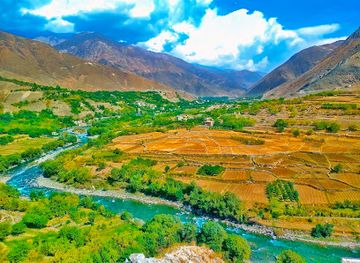
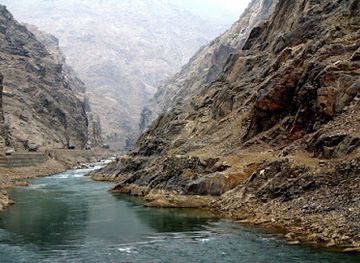
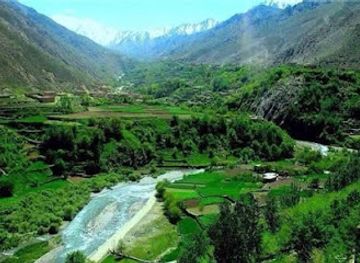
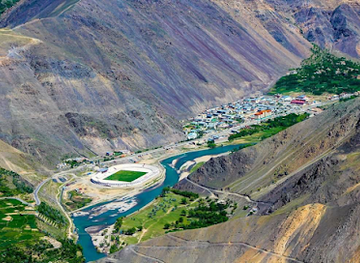
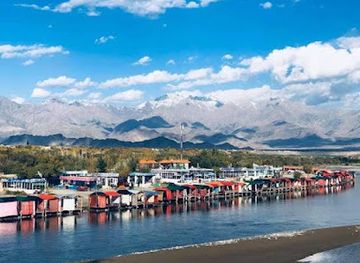
Explore Panjshir Valley on the Map
A handpicked selection of must-see spots near Panjshir Valley, mapped for you.
Getting There
-
Driving
The most common way to reach Panjshir Valley is by road from Kabul. The journey typically takes 2-3 hours. From Kabul, head north towards Bagram on the main highway. Continue past Bagram Air Base, then turn northeast at Jabal Saraj towards Gulbahar. From Gulbahar, follow the road into the Panjshir Valley. The road is paved but can be rough in sections. Hiring a taxi or private car with a driver in Kabul is the most convenient option. Expect to pay around $40-$50 USD for a round trip, but negotiate the price beforehand. Ensure the driver is experienced and familiar with the route. Note that security checkpoints are common along the way, so have your passport and visa readily available.
-
Public Transport
Minibuses and shared taxis are available from Kabul to Bazarak, the capital of Panjshir Province. Head to the Kabul bus station (usually near the airport or in the city center – ask locals for the most up-to-date location). Look for vehicles heading towards Panjshir or Bazarak. The journey takes approximately 3-4 hours and costs around 200-300 AFN (approximately $2.50-$4 USD). Be prepared for a crowded and potentially uncomfortable ride. Minibuses may make frequent stops along the way. This option is more budget-friendly but less convenient and comfortable than hiring a private car. Due to security concerns, it's advisable to travel during daylight hours and avoid traveling alone.
Discover more about Panjshir Valley













Your all‑in‑one travel companion app
Explore expert travel guides, compare and book tours, experiences, hotels, and more—all from the palm of your hand. Download now for seamless trip planning wherever your wanderlust takes you.


Explore More of Panjshir
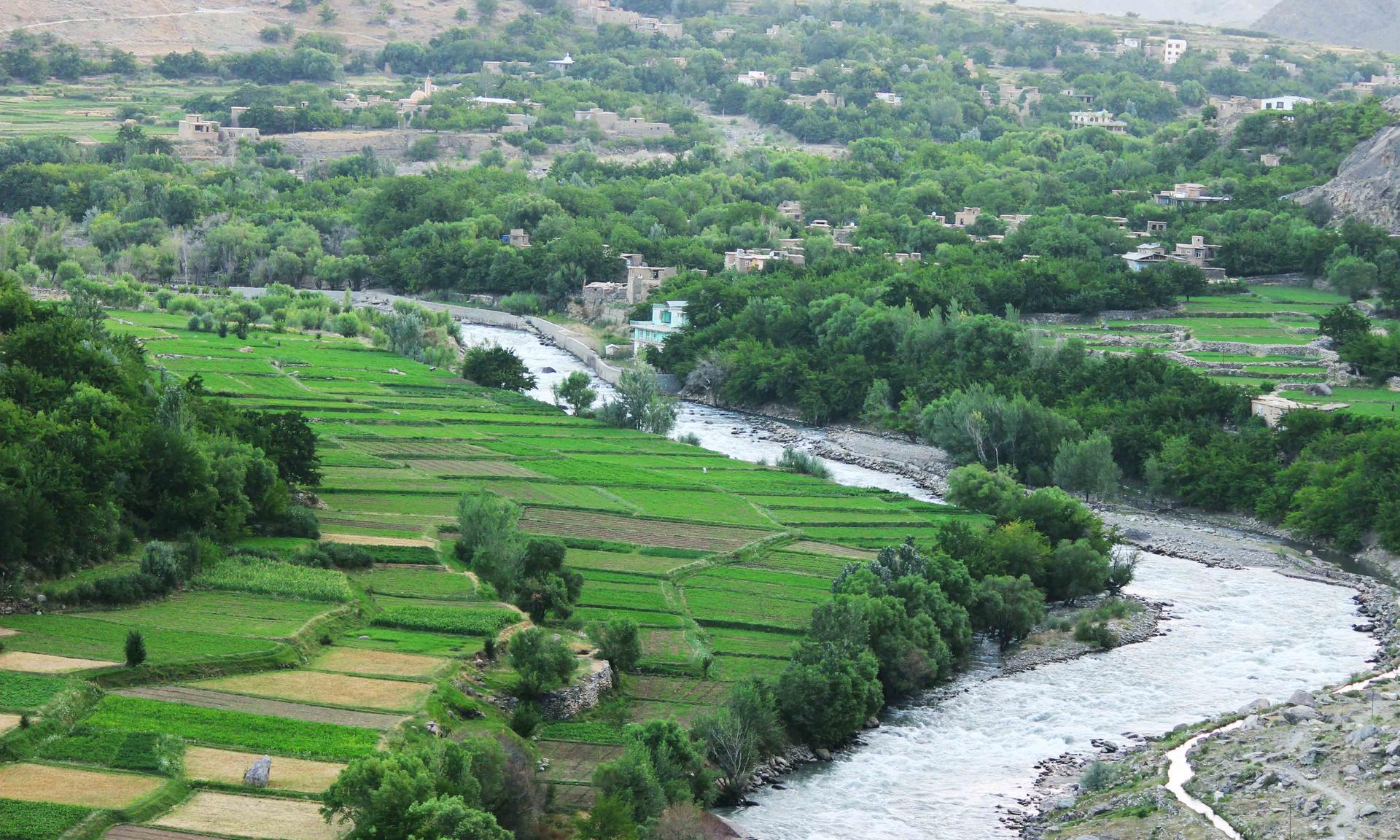
Looking beyond Panjshir Valley? Discover Panjshir for broader travel guides, local hot-spots, and regional highlights.
Explore Panjshir
Discover the breathtaking beauty and historical significance of Mahipar, Afghanistan, where rugged landscapes meet centuries of culture along the Kabul River [4].

Discover the untouched beauty of Jamal Agha Kohestan in Kapisa, Afghanistan, where mountains meet vibrant traditions.